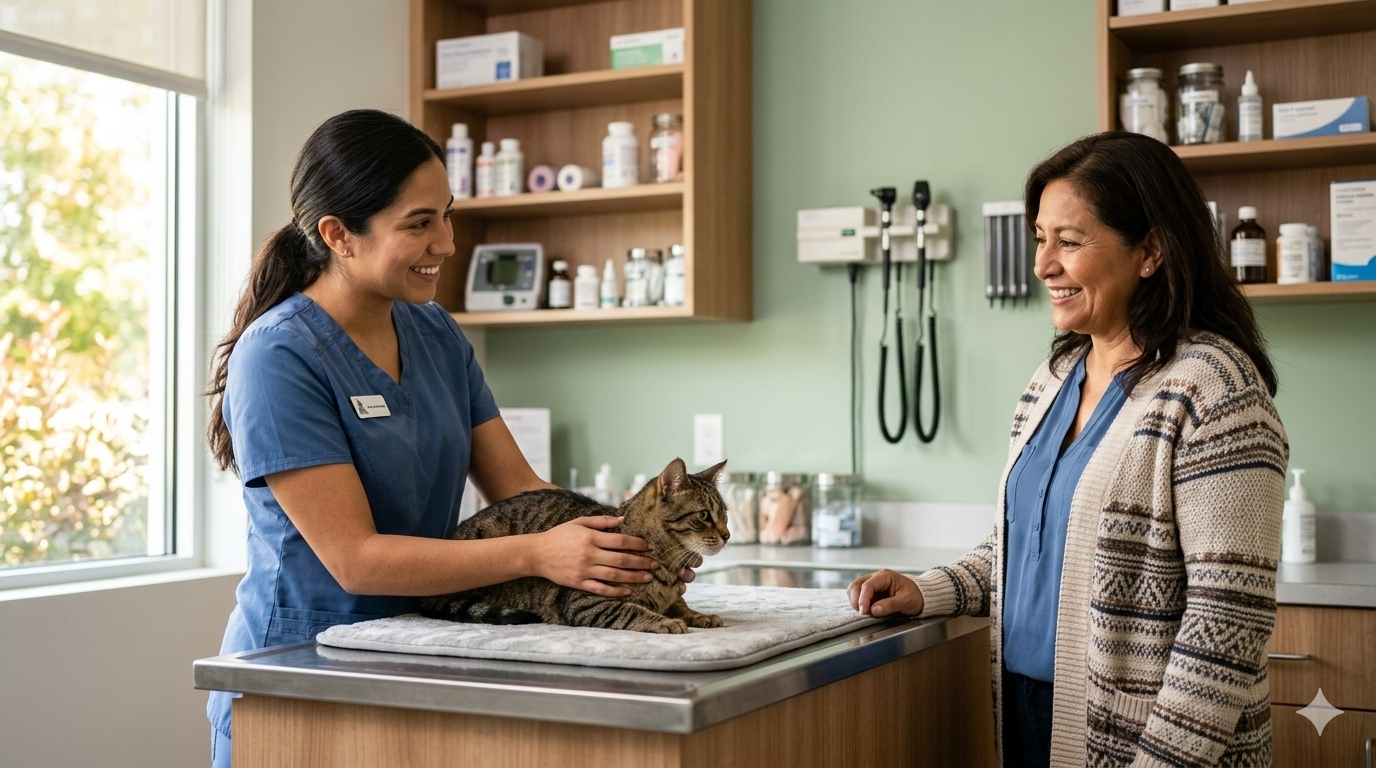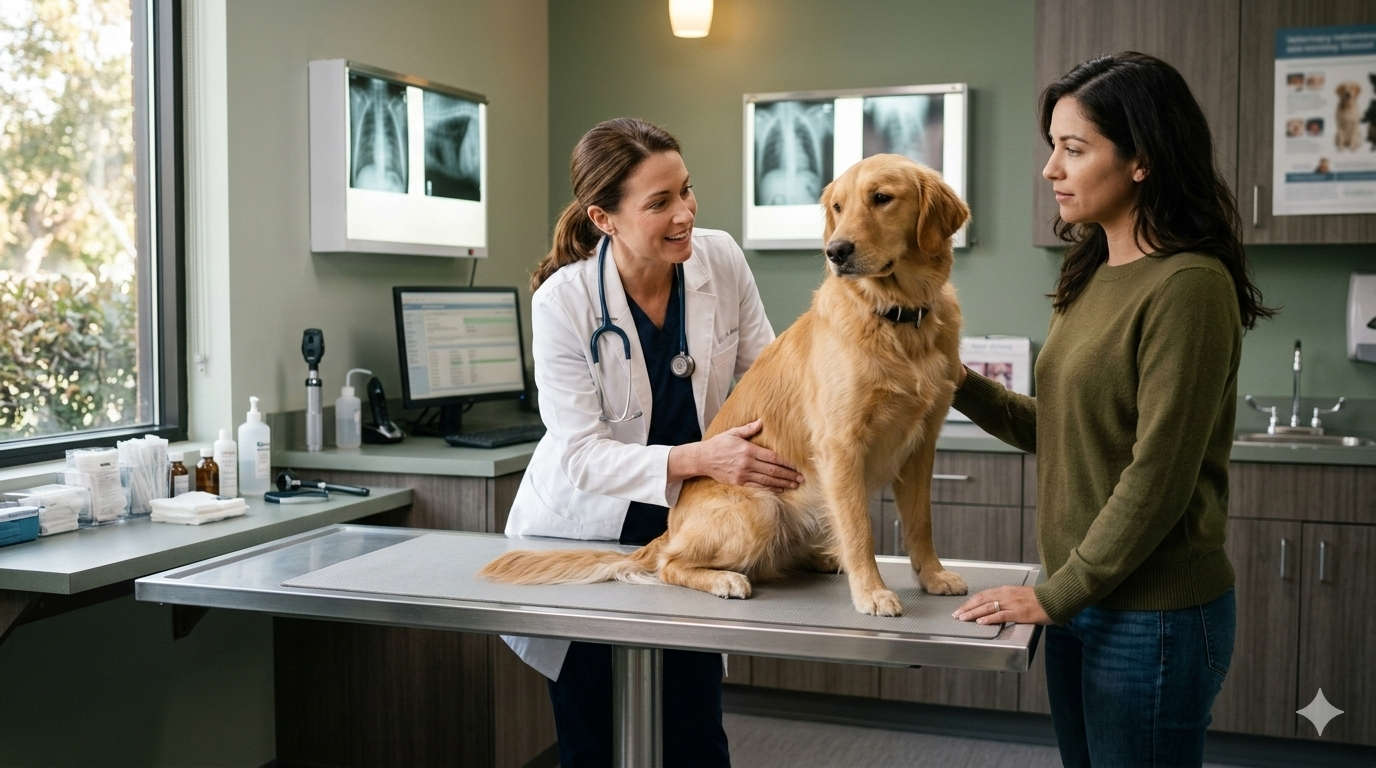
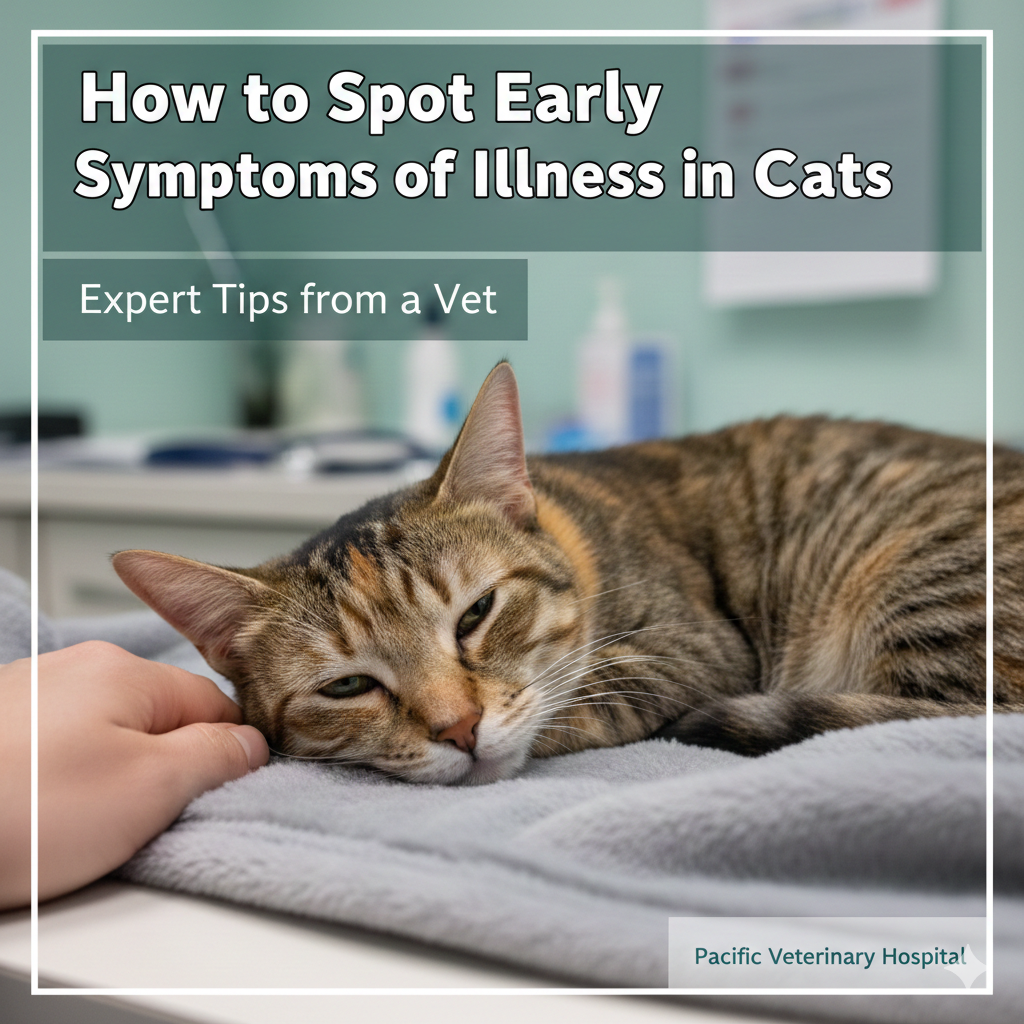
Cats are masters of disguise. Their ancestors survived in the wild by concealing pain and vulnerability, a primal instinct that persists in our cozy house cats today. This means that by the time a cat presents with obvious symptoms of illness, the underlying condition may be quite advanced. For dedicated pet owners, the key to a long and healthy life for their feline companion lies in vigilance—learning to recognize the subtle, often cryptic, early signs of trouble.
As a trusted resource for pet health in the Central Valley, offering everything from routine Wellness Checkups to vital Emergency Services, the team at Pacific Veterinary Hospital understands that early intervention is crucial. Whether you’re searching for a top rated vet near me or rely on the care provided by our pacific pet clinic, recognizing the need for help quickly can be life-saving. This comprehensive guide, informed by years of veterinary expertise, will walk you through the most common and often missed indicators of illness in your cat.
The Subtle Language of Feline Distress: Why Early Detection is Vital
A cat’s stoicism is a double-edged sword. While it’s admirable, it means that by the time you notice overt signs like vomiting, diarrhea, or difficulty breathing, your cat has likely been managing discomfort for a significant period. This makes routine observation and regular veterinary exams essential cornerstones of preventative feline health. Finding a reliable local pet clinics near me and establishing a relationship with a veterinarian is the first step in ensuring your cat’s well-being.
Routine visits, especially for senior cats, allow veterinarians to establish a baseline of health. Changes in weight, heart rate, or blood chemistry revealed through In-House Bloodwork can signal conditions like kidney disease or diabetes long before clinical signs appear.
1. Shifts in Appetite and Water Consumption
Changes in what and how much your cat eats and drinks are often the very first indicators of an issue.
The Anorexia Riddle
True anorexia (complete loss of appetite) is always an emergency. However, most feline illness starts with partial anorexia, where your cat eats less or becomes unusually picky.
- Eating Less: A cat that only grazes at their food bowl, or suddenly refuses a favorite treat, is sending a signal. This could indicate nausea, dental pain (a common issue that often requires specialized care like dog teeth removal near me or a comprehensive dental cleaning—we offer excellent Dental Care for cats too!), or serious systemic disease.
- Aversion to Bowl: If your cat approaches the food bowl but walks away, consider nausea or pain. If they only lick the gravy and leave the solid food, suspect dental pain.
Increased Thirst (Polydipsia)
If you find yourself refilling the water bowl more frequently, or notice your cat suddenly drinking from unconventional sources (like the tap or shower floor), they may be experiencing polydipsia. This can be a critical sign of kidney disease, diabetes, or hyperthyroidism, all of which require prompt diagnosis via laboratory work. Advanced tools, such as the use of In-House Ultrasound or digital X-ray, can help veterinarians visualize organs and confirm diagnoses accurately.
2. Alterations in Elimination Habits
Changes in the litter box are incredibly significant. They are easy to track and often point directly to issues in the urinary or digestive tract.
Litter Box Aversion and Frequency
A sudden refusal to use the litter box is not a disciplinary issue; it is a medical cry for help until proven otherwise. It could be triggered by pain (such as arthritis making it difficult to step into a high-sided box) or, most critically, a urinary tract issue.
- Straining or Frequent Trips: If your cat strains in the box, or goes in and out multiple times producing only small amounts of urine, they may have cystitis, bladder stones, or, most alarmingly, a urinary blockage. A male cat with a urinary blockage is experiencing a life-threatening, time-sensitive emergency that demands immediate attention from an emergency vet near me or a facility like our pacific care pet emergency services.
- Changes in Stool: Diarrhea, constipation (straining with no output, or hard, dry stools), or the presence of blood or mucus all warrant a phone call to your veterinarian. While some issues resolve with dietary changes, others require medication.
Preventative measures, such as timely Spay and Neuter procedures (you can find details on our low cost neuter cat near me services), contribute to a cat’s overall long-term health, reducing the risk of certain cancers and eliminating heat-cycle behavioral issues that can mimic illness.
3. Behavioral Shifts: Hiding and Lethargy
A cat’s behavior is a direct reflection of its inner physical state. Any significant deviation from the norm should be noted.
The Retreating Cat
Cats who are ill or in pain often seek solitude. If your typically social cat suddenly starts hiding under the bed, in the back of a closet, or in another secluded area, they are likely experiencing discomfort.
- Lethargy: Sleeping more than usual is tricky in cats, who already sleep for much of the day. However, a lethargic cat is one that is difficult to rouse, shows no interest in play or greeting, and generally moves slowly. This is a common symptom for almost all serious illnesses. If you notice profound lethargy, you need to contact a pet hospital near me open now immediately.
Changes in Affection and Grooming
- Grooming: A cat that stops grooming itself often develops a dull, matted coat (known as an unkempt or ‘unkempt’ coat). This may be due to lethargy, or due to pain (for example, if a cat has dental pain, they might stop grooming their front legs; if they have back pain, they may not be able to reach their back half). Conversely, a cat that over-grooms itself (pulling out fur, creating bald patches) may be suffering from an anxiety or a dermatological issue, which our Dermatology experts can help diagnose.
- Personality Changes: Increased aggression, unusual meowing/vocalization (especially at night), or sudden clinginess can all signify pain, cognitive decline, or anxiety related to underlying illness.
4. Physical Signs: Skin, Coat, and Mobility
While internal issues are difficult to spot, outward physical signs are clear indicators that medical attention is needed.
Skin and Coat Changes
Beyond poor grooming, look for specific skin issues. Redness, flakiness, scabs (often around the neck and head), and excessive scratching could point to allergies, parasites, or fungal infections. Comprehensive veterinary care often requires utilizing advanced imaging. For instance, while you might hear about advanced care like orthopedic doctor for dogs, the same precision in diagnostics—using tools like digital X-rays and ultrasound—is applied to feline patients to look for internal masses or skin issues.
Lameness and Pain
Cats are experts at concealing lameness. A limp may only be visible when they jump or play vigorously. Watch for:
- Reluctance to Jump: Difficulty or hesitation when jumping up onto furniture.
- Stiffness: Moving stiffly, especially first thing in the morning.
- Sensitivity: Reacting with a hiss or swat when touched in a specific area.
If you notice signs of pain, especially in an older cat, therapeutic options like laser therapy for dogs (and cats) can provide non-invasive relief for conditions like arthritis and soft tissue injuries.
5. Cardiovascular and Respiratory Warning Signs
Issues with the heart or lungs are true pacific care pet emergency scenarios. Feline heart disease (Feline Hypertrophic Cardiomyopathy or HCM) is often silent until a catastrophic event occurs.
Breathing Difficulties
Any changes to your cat’s breathing pattern require immediate veterinary attention. Cats are obligatory nose breathers, and open-mouth breathing is a critical sign of respiratory distress.
- Rapid or Shallow Breathing: Counting your cat’s breaths while they are sleeping (normal resting rate is typically 20-30 breaths per minute) is a good habit. A significantly elevated rate, even while resting, can signal fluid in the lungs (pulmonary edema) or chest (pleural effusion), both serious conditions that require urgent medical stabilization.
- Coughing or Sneezing: While an occasional sneeze is normal, frequent sneezing, nasal discharge, or a wheezing cough can indicate a respiratory infection, asthma, or other conditions. If your cat is due for a bordetella vaccine for dogs (or the corresponding feline vaccines) and other preventive shots, make sure they are up to date, as preventive care minimizes the risk of many upper respiratory infections.
For advanced heart concerns, although you might search for a cat cardiologist near me, Pacific Veterinary Hospital is equipped with diagnostics, including EKG and blood work analysis (such as proBNP testing), to screen for heart disease and manage care alongside specialists.
Prevention and Compassionate Care in Stockton, CA
The best defense against serious illness is an excellent offense. That means a partnership with a veterinary team committed to prevention and proactive pacific vet care.
The Role of Routine Vaccinations and Checkups
Routine dog vaccinations near me and cat vaccinations (including FVRCP and Rabies) are the foundation of preventive medicine. Establishing a history with your veterinarian allows them to spot subtle changes year over year. If you are concerned about cost, seeking a low cost spay and neuter clinics near me for cats or a facility that offers flexible options, like Pacific Veterinary Hospital, ensures your pet receives essential care regardless of budget. For those looking for low income veterinary near me options, call us to discuss how we can help manage essential services.
Advanced Diagnostics and Treatment
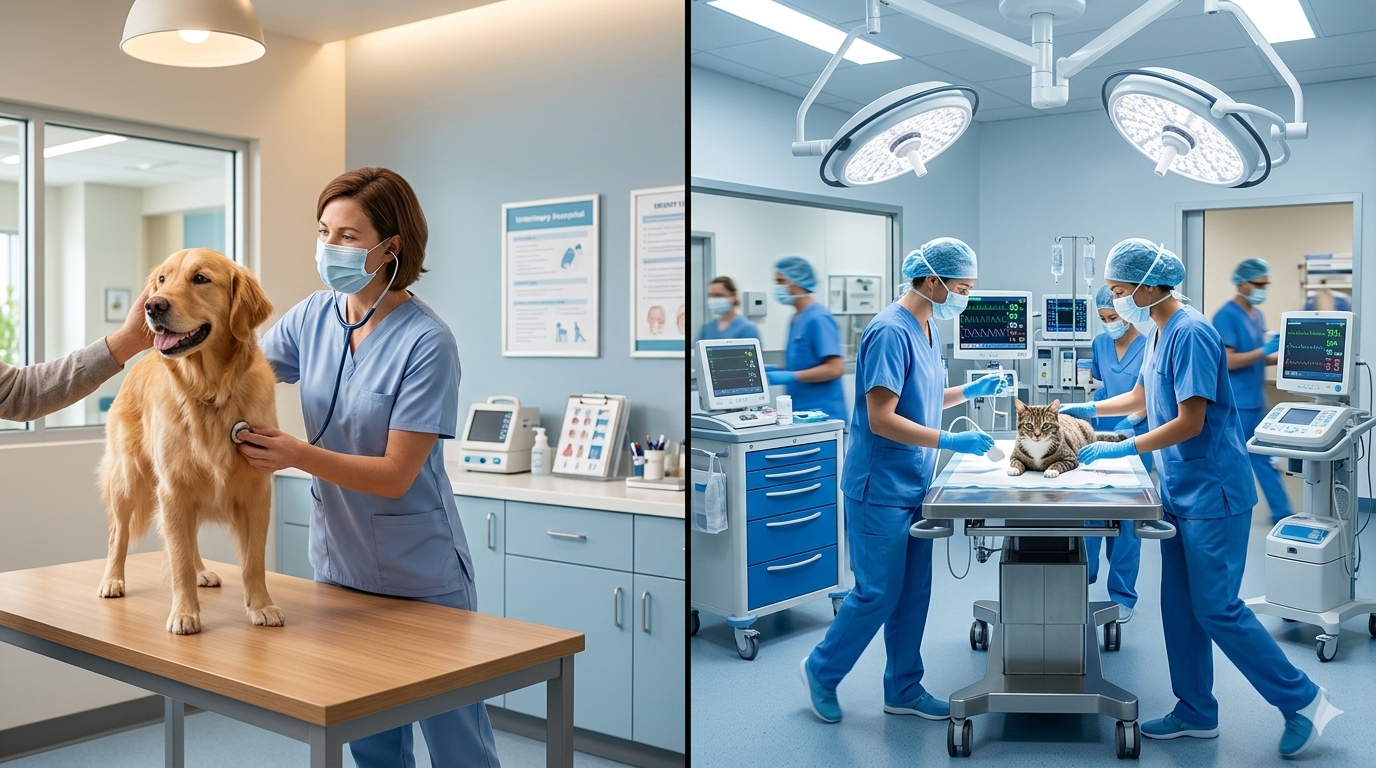
When an illness is suspected, prompt, accurate diagnosis is everything. Our hospital utilizes state-of-the-art diagnostic tools, including in-house lab equipment that delivers fast results, vital when dealing with conditions like Parvovirus (for which we offer dedicated Parvo Treatment) or liver and kidney diseases. We utilize digital X-ray and ultrasound technology—sometimes referred to by the general term vet imagyst—to see inside the body and confirm complex diagnoses without delay.
For cats needing surgical intervention, our experienced veterinarians perform everything from routine pet neutering procedures to complex soft tissue and orthopedic Surgery (you may be looking for cat surgery near me for complex procedures, and we can often provide those services right here).
When to Call the Vet: A Final Word of Expert Advice
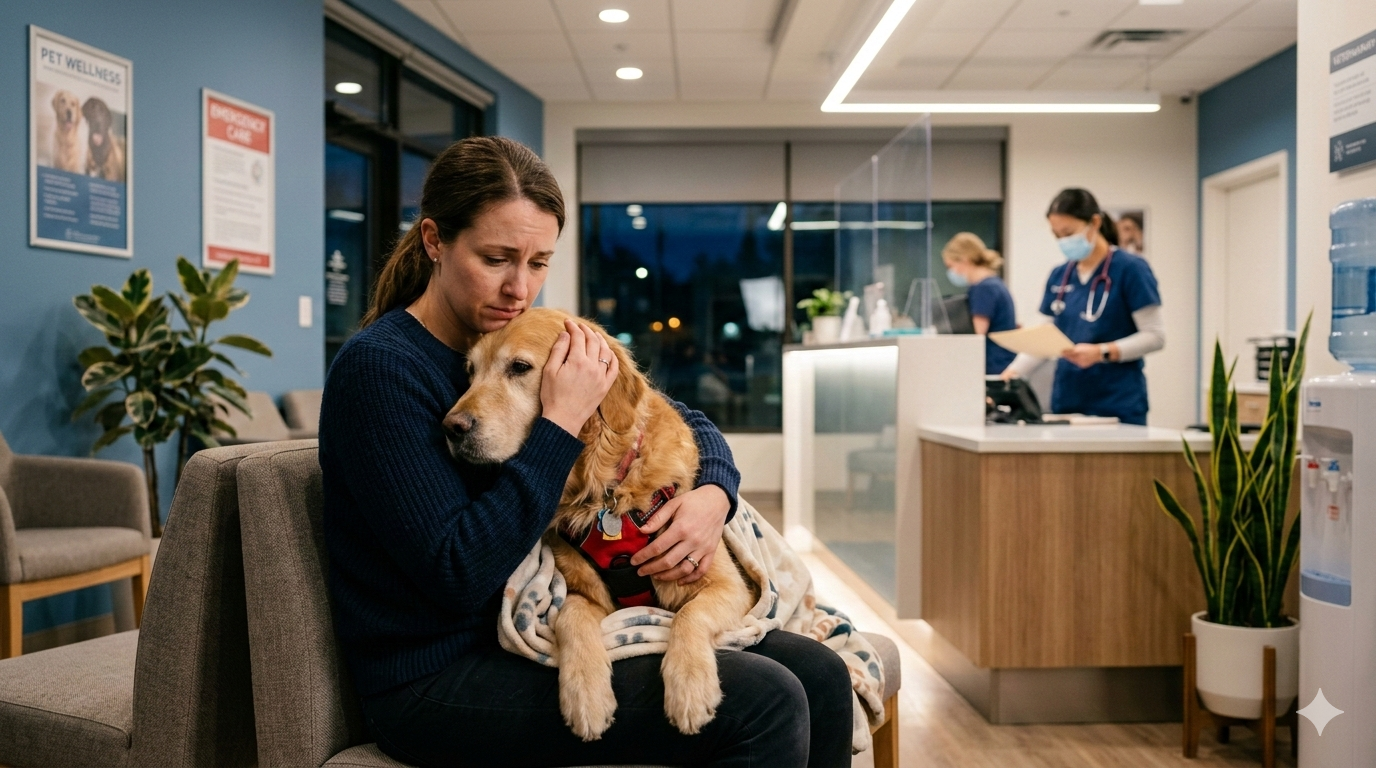
If you notice any of the critical symptoms mentioned above—especially difficulty breathing, straining to urinate, collapse, or prolonged anorexia—do not delay. These are medical emergencies.
Remember the golden rule of veterinary medicine: When in doubt, check it out. Trust your gut instinct. You know your cat best. A quick check-up is always preferable to waiting until an advanced illness becomes a crisis.
At Pacific Veterinary Hospital, we are dedicated to providing compassionate, comprehensive care for cats and dogs alike. From initial checkups to complex surgeries and offering dignity and support through pet euthanasia services like Hospice Euthanasia, we are here for every stage of your pet’s life.
If you are concerned about your cat’s health, please contact us immediately. Our team at the pacific avenue vet clinic is standing by to assist you.
Pacific Veterinary Hospital: Your Trusted Local Pet Clinic
Open Daily, 8 AM – 8 PM
We are always here for your pet’s urgent and routine needs, including evenings and weekends. If you’re searching for a pet hospital near me open now in Stockton, you can count on us.
Location: 6828 Pacific Avenue, Stockton, CA 95207
Phone: (209) 474-2444
For more information on our services, including Emergency Services, Spay and Neuter, and Vaccinations, please visit our website.