
Pet Dental Care in Stockton, CA
Dental disease affects the majority of dogs and cats by age three, yet it remains one of the most overlooked aspects of pet health. At Pacific Veterinary Hospital, our dental care program provides comprehensive oral evaluations, professional pet dental cleaning in Stockton CA, digital dental X-rays, tooth extractions, and ongoing guidance to maintain oral health between visits. Pet owners searching for animal dental near me or a dog dentist near me in the Stockton area can rely on our team for thorough dog dental care in Stockton CA and complete feline oral care using modern techniques and safe anesthesia protocols.
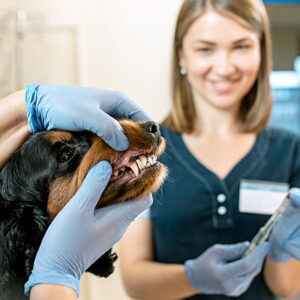
Why Pet Dental Care Matters
Untreated dental disease does not stay confined to the mouth. Bacteria from infected gums enter the bloodstream and can damage the heart, kidneys, and liver over time. Periodontal disease causes chronic pain that most pets hide — many continue eating despite significant oral discomfort. The disease progresses through stages: plaque accumulates on tooth surfaces, hardens into tartar, irritates the gums (gingivitis), and eventually destroys the bone and connective tissue supporting the teeth (periodontitis). Once bone loss occurs, it is irreversible. Professional dental care prevents this silent progression by catching problems early.
Signs Your Pet May Need Dental Attention
Watch for persistent bad breath, visible tartar buildup on teeth, red or swollen gums, difficulty chewing or dropping food, pawing at the mouth, excessive drooling, bleeding gums, loose or broken teeth, reluctance to eat hard food, and facial swelling. A routine wellness exam includes an oral assessment that catches early dental issues before they become obvious. Small-breed dogs, brachycephalic breeds, and senior pets are especially prone to dental disease and benefit from frequent evaluations. If you notice sudden facial swelling or refusal to eat, contact our urgent care team for prompt evaluation.
Professional Pet Dental Cleaning in Stockton CA
Professional dental cleaning involves several steps performed under general anesthesia. Anesthesia allows thorough cleaning below the gumline — where the most damaging bacteria accumulate — in areas impossible to reach in an awake animal. The procedure includes complete oral examination of every tooth and surrounding tissue, digital dental X-rays using our in-house X-ray to evaluate tooth roots and jaw bone (over 60 percent of dental disease hides below the gumline), ultrasonic scaling above and below the gumline, polishing to smooth tooth surfaces and reduce future plaque buildup, fluoride application, and extraction of fractured, infected, or unsalvageable teeth. Complex dental surgical extractions use the same anesthesia monitoring and safety protocols as all our surgical procedures. Pre-dental bloodwork confirms your pet is safe for anesthesia.
Dog Teeth Cleaning Without Anesthesia: What Pet Owners Should Know
Anesthesia-free dental cleanings remove visible tartar from the crown but cannot address disease below the gumline, where the most serious damage occurs. Without anesthesia, thorough subgingival cleaning, dental X-rays, probing for periodontal pockets, and complete oral examination are not possible. Dog teeth cleaning without anesthesia may improve cosmetic appearance but does not treat the underlying disease process. The American Veterinary Dental College does not endorse anesthesia-free cleanings as a substitute for professional veterinary dental care. If you are a pet owner evaluating a veterinary dentist near me, ask whether the clinic performs subgingival scaling and dental radiography — these are the procedures that make a meaningful clinical difference in preventing disease progression.
Home Dental Care Between Professional Cleanings
Daily tooth brushing with veterinary-approved toothpaste is the gold standard for home dental care — human toothpaste contains ingredients toxic to pets. Dental chews, water additives, and prescription dental diets supplement brushing for pets who resist it. Our team demonstrates brushing technique and recommends Veterinary Oral Health Council (VOHC) accepted products. Starting home dental care early in your pet’s life makes it far easier to maintain as a routine.
How Often Should My Pet Have a Dental Cleaning?
Most pets benefit from professional cleaning at least annually. Small-breed dogs and brachycephalic breeds may need cleanings every six to nine months due to faster tartar accumulation. Senior pets and those with periodontal disease history may require more frequent care. Your veterinarian recommends a schedule based on your individual pet’s oral health at each wellness visit.
Frequently Asked Questions About Pet Dental Care
How do I know if my pet has dental disease?
Bad breath, visible tartar, red or bleeding gums, difficulty eating, and pawing at the mouth are common indicators. Many pets show no obvious symptoms until disease is advanced. Regular veterinary dental exams including visual inspection and periodic dental X-rays are the most reliable way to detect problems early when they are easiest and least expensive to treat.
Is anesthesia safe for dental cleanings?
Yes. Modern anesthesia protocols combined with pre-dental bloodwork and continuous monitoring make dental procedures very safe. The risks of untreated dental disease — chronic pain, infection, organ damage — significantly outweigh the minimal anesthesia risk. Our team tailors anesthesia plans to each patient’s age, breed, and health status for maximum safety.
How much does a pet dental cleaning cost?
Costs vary based on disease severity, number of extractions needed, and whether dental X-rays are required. We provide detailed estimates after the initial oral evaluation. We accept CareCredit and most pet insurance reimbursement for dental procedures. Families searching for affordable animal dental near me can discuss payment options with our team.
Can I brush my pet's teeth at home?
Yes, and daily brushing is one of the most effective things you can do for oral health. Use a soft-bristled brush and veterinary-formulated toothpaste. Start gradually, and our team demonstrates proper technique during wellness visits. Even brushing a few times per week provides meaningful benefit over no home dental care at all.
At what age should dental care begin?
Oral examinations should be part of every wellness visit from puppyhood and kittenhood onward. Home dental care can begin once adult teeth are present. Professional cleanings are typically first recommended between one and three years of age depending on breed and tartar accumulation rate. Small breeds often need professional attention earlier.
What happens if dental disease is left untreated?
Untreated disease progresses from tartar and gingivitis to periodontitis, destroying supporting bone and causing tooth loss. Bacteria from chronic oral infections enter the bloodstream and can damage heart valves, kidneys, and liver. Chronic dental pain significantly reduces quality of life even when pets appear to eat normally and show no outward distress signs.