
Pet Dermatology in Stockton, CA — Dog and Cat Skin Care
Skin, ear, and coat conditions are among the most common reasons pet owners seek veterinary care. At Pacific Veterinary Hospital, our veterinarians provide comprehensive dermatology for pets — diagnosing and treating the full range of dog skin problems and cat skin conditions affecting animals in Stockton and the San Joaquin Valley. Pet owners searching for a dog dermatologist near me, vet dermatologist near me, or pet dermatology near me can rely on our team to identify the root cause and build a treatment plan tailored to your pet’s specific condition.
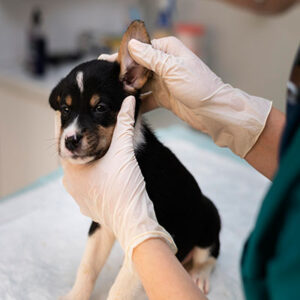
Common Dog Skin and Cat Skin Conditions We Treat
Dermatological problems present with overlapping symptoms, making accurate diagnosis essential. Our veterinarians evaluate and treat environmental allergies (atopy) triggered by pollen, dust, mold, and grasses, food allergies and dietary sensitivities, flea allergy dermatitis, bacterial skin infections (pyoderma), fungal infections including ringworm, parasitic conditions such as demodectic mange, sarcoptic mange, and mites, hot spots (acute moist dermatitis), autoimmune skin diseases including pemphigus and lupus, hormonal imbalances affecting the coat such as hypothyroidism and Cushing’s disease, chronic and recurrent ear infections (otitis externa and otitis media), and seborrhea and other inflammatory skin disorders. Each condition requires a distinct treatment approach — a dog with environmental allergies needs immunotherapy or targeted medication, while a cat with ringworm requires antifungal treatment and environmental decontamination.
Stockton-Specific Pet Skin Care Challenges
The Central Valley environment creates unique challenges for pet skin care. Stockton’s hot, dry summers intensify flea populations year round while drying out skin and coats, making both dogs and cats more susceptible to irritation and secondary infections. Foxtail grass awns — a distinctive Central Valley hazard — burrow into ears, paws, nostrils, and skin folds, causing painful abscesses and chronic irritation if not removed promptly. Valley dust and seasonal agricultural allergens trigger skin flare-ups in many dogs between late spring and early fall. The prevalence of standing irrigation water also contributes to fungal and parasitic exposures that are less common in drier regions. Understanding these local factors allows our team to narrow the diagnostic focus and develop prevention strategies specific to Stockton-area pets.
How We Diagnose Pet Skin and Ear Conditions
Our hospital performs a comprehensive range of dermatological diagnostics on site. The evaluation begins with a detailed history — symptom onset, seasonal patterns, diet, environment, parasite prevention, and whether other household animals are affected. A thorough physical examination of the skin, coat, ears, paws, and skin folds follows. Diagnostic tools include skin scrapings and cytology to identify parasites, bacteria, and yeast, fungal cultures for ringworm detection, intradermal or serum allergy testing for environmental and food triggers, ear cytology to determine infection type and severity, in-house bloodwork to evaluate thyroid levels, cortisol, organ function, and other systemic factors that can manifest as skin disease, and ultrasound imaging when internal organ involvement is suspected. Because most diagnostics are performed in our facility, we often confirm a diagnosis and begin treatment during the same visit.
Treatment Options for Pet Dermatology Conditions
Treatment plans are tailored to each patient’s diagnosis, severity, and lifestyle. Common approaches include antibiotics for bacterial infections, antifungals for ringworm and yeast conditions, targeted allergy medications such as Apoquel and Cytopoint that address itch without broad immunosuppression, corticosteroids for acute flare-up control, medicated baths and topical therapies, prescription elimination diets for food allergy identification, parasite treatment and prevention protocols, ear cleaning solutions and otic medications for chronic or acute ear infections, and immunotherapy (allergy shots or sublingual drops) for long-term environmental allergy management. Our goal is always to treat the underlying cause rather than simply suppressing symptoms, achieving lasting relief for your pet.
When to Schedule a Dermatology Evaluation
Bring your pet in for a veterinary evaluation if they are scratching, licking, or chewing at their skin persistently, you notice hair loss, scabs, redness, or open sores, their ears smell bad or produce discharge, a skin condition keeps returning after treatment, or coat quality has changed noticeably. Early intervention leads to faster resolution and lower costs. If symptoms are severe or accompanied by lethargy or fever, contact our urgent care team. Maintaining your pet’s dental health also helps prevent systemic infections that sometimes manifest as skin and coat problems.
Frequently Asked Questions About Pet Dermatology
What are the most common causes of itching in dogs and cats?
Environmental allergies, food sensitivities, flea allergy dermatitis, and secondary skin infections are the leading causes. The San Joaquin Valley’s year-round flea pressure and seasonal pollen loads make allergies especially prevalent among Stockton-area pets. Accurate diagnosis is essential because each underlying cause requires a fundamentally different treatment approach.
How can I tell if my pet has a skin allergy versus an infection?
Allergies tend to produce generalized itching, redness between toes, and recurring ear inflammation following seasonal or dietary patterns. Infections often present with localized pustules, crusting, discharge, and odor. The two frequently overlap because allergic skin is more prone to secondary infections. Veterinary diagnostics are the most reliable way to distinguish them accurately.
What are foxtails and why are they dangerous for Stockton pets?
Foxtails are barbed grass seed awns common throughout the Central Valley that embed in ears, paws, noses, and skin folds. Once lodged, they migrate deeper into tissue causing abscesses, chronic infections, and potentially serious internal damage. Checking your pet’s coat, ears, and paw pads after outdoor activity during foxtail season is critical for early detection.
How long does it take to see improvement in a pet skin condition?
Simple bacterial infections often improve within one to two weeks of treatment. Allergic and chronic conditions may require four to eight weeks of consistent therapy for significant visible improvement. Food allergy elimination trials take eight to twelve weeks to reach a definitive conclusion. Your veterinarian sets realistic expectations based on your pet’s specific diagnosis.
Can diet affect my pet's skin and coat health?
Yes. Food allergies and sensitivities are a well-documented cause of chronic skin problems in dogs and cats. Even pets without true food allergies benefit from balanced nutrition supporting healthy skin barrier function. Our veterinarians recommend appropriate diets and can guide you through an elimination trial if food allergy is suspected as a contributing factor.
Does pet insurance cover dermatology visits and allergy testing?
Most comprehensive pet insurance plans cover veterinary dermatology visits, diagnostic testing, and prescribed treatments for conditions not classified as pre-existing. Coverage varies by provider and plan level. We recommend reviewing your policy before your visit. Our team provides all documentation needed for insurance reimbursement claims upon request.