
In-House Bloodwork for Dogs and Cats in Stockton
Pacific Veterinary Hospital performs comprehensive veterinary bloodwork in our on-site laboratory, delivering results during your pet’s visit rather than days later from an outside lab. Same-day results mean faster diagnosis, earlier treatment, and less uncertainty. Pet owners searching for low cost blood work for dogs near me or affordable pet lab testing in Stockton can rely on our in-house capabilities to provide accurate, rapid diagnostics without outside referral markups.
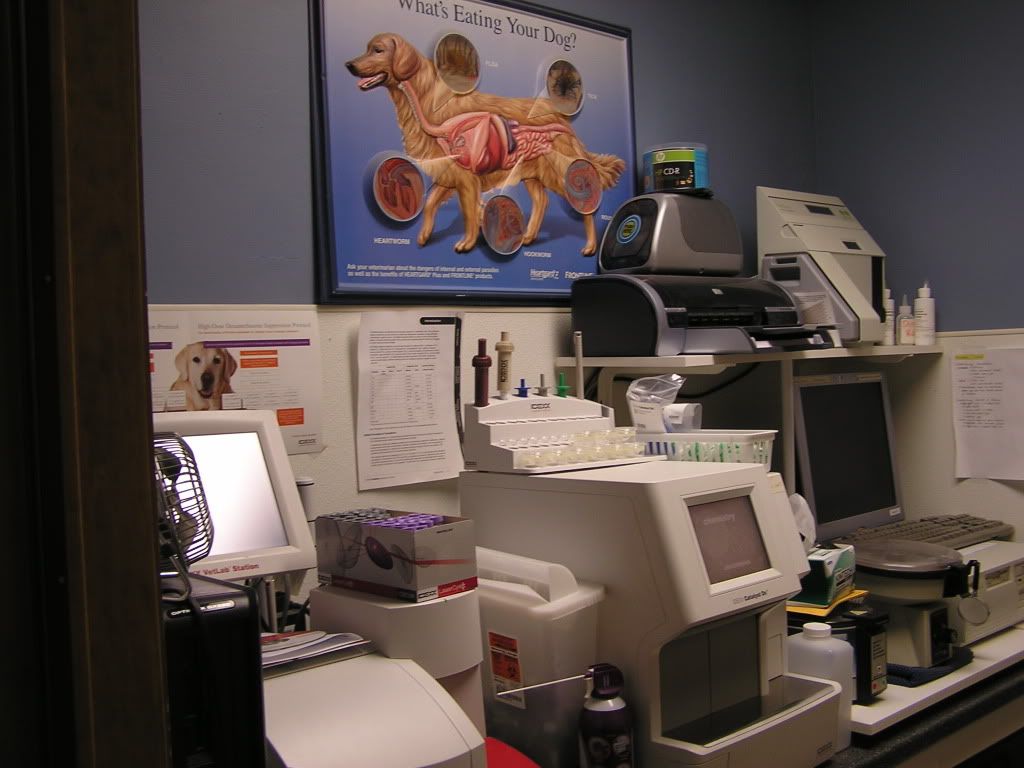
Types of Blood Tests We Perform
Our laboratory runs a full range of diagnostic panels including complete blood count (CBC) evaluating red blood cells, white blood cells, and platelets for anemia, infection, inflammation, and clotting disorders, comprehensive chemistry panels assessing liver enzymes, kidney values (BUN, creatinine), glucose, protein, electrolytes, and pancreatic function, thyroid panels detecting hypothyroidism in dogs and hyperthyroidism in cats, blood glucose and fructosamine testing for diabetes screening and management, electrolyte panels for dehydration assessment and fluid therapy monitoring, coagulation testing before surgery or in patients with bleeding disorders, urinalysis for kidney function, urinary infections, and metabolic screening, and specialized tests including cortisol levels for Cushing’s and Addison’s disease, bile acids for liver function, and therapeutic drug monitoring for medications like phenobarbital.
When Bloodwork Is Recommended
Bloodwork is fundamental to both preventive and diagnostic veterinary medicine. Common indications include annual wellness screening to establish baselines and detect subclinical disease, pre-surgical evaluation confirming anesthesia safety, investigation of symptoms such as vomiting, diarrhea, weight loss, increased thirst, lethargy, or appetite changes, monitoring chronic conditions including diabetes, kidney disease, thyroid disorders, and liver disease, medication safety monitoring for long-term treatments, and urgent and emergency evaluation where rapid diagnosis is essential. Senior pets — dogs seven and older, cats eleven and older — benefit from bloodwork at least annually and ideally every six months, since conditions like kidney disease can destroy up to 75 percent of organ function before producing visible symptoms.
The Value of Same-Day Results
In-house bloodwork eliminates one-to-three-day reference lab turnaround times. For sick pets, treatment begins hours sooner. For pre-surgical patients, surgery proceeds without rescheduling for lab delays. For wellness screening, you leave with a complete health picture. When results reveal abnormalities needing imaging, our in-house ultrasound provides immediate follow-up. Medications prescribed from results are available same-day through our in-house pharmacy.
Understanding Your Pet’s Results
Our veterinarians review all bloodwork with you in person, explaining each value in the context of your pet’s health, age, breed, and clinical history. We provide clear context for any abnormalities — whether they require immediate treatment, dietary changes, additional diagnostics, medication adjustment, or monitoring. Detailed records enable us to track trends over sequential visits, which is often more diagnostically valuable than any single test interpreted in isolation.
Frequently Asked Questions About Pet Bloodwork
Does my pet need to fast before bloodwork?
For most comprehensive chemistry panels, withholding food for eight to twelve hours before the appointment ensures accurate glucose and lipid readings. Water should remain freely available throughout the fasting period. Your veterinarian provides specific fasting instructions when bloodwork is scheduled so you can prepare your pet appropriately for accurate results.
How much blood is drawn during a test?
A typical draw collects a small volume — usually a few milliliters — which is well tolerated by pets of all sizes including small dogs and cats. The procedure is quick, comparable to a human blood draw, and most pets experience only brief mild discomfort at the puncture site. Blood is processed immediately in our on-site laboratory.
How often should my pet have bloodwork?
Healthy adult pets should have baseline bloodwork at least annually during their wellness exam. Senior pets benefit from testing every six months to catch age-related changes early. Pets on long-term medications or with chronic conditions may need bloodwork every three to six months for safe therapeutic monitoring as recommended by your veterinarian.
What can bloodwork detect that a physical exam cannot?
Bloodwork reveals internal organ function, infection markers, anemia, hormonal imbalances, diabetes, clotting disorders, and early-stage organ disease — conditions that often produce no visible symptoms until significantly advanced. Kidney disease, for example, may show no outward signs until 75 percent of function is lost. Bloodwork catches these changes early.
How quickly will I receive results?
Most in-house panels return results within fifteen to thirty minutes. Your veterinarian reviews findings and discusses them before you leave. If specialized tests require an outside reference laboratory, results typically return within one to three business days and we contact you promptly to review findings and discuss any recommended next steps.
Is bloodwork covered by pet insurance?
Most pet insurance plans cover diagnostic bloodwork performed to evaluate symptoms, monitor chronic conditions, or screen before surgery. Some wellness-focused plans also cover annual screening bloodwork. Coverage varies by provider and plan tier. We provide itemized invoices for insurance reimbursement and help you understand what your specific plan includes.