
Pet Vaccinations for Dogs and Cats in Stockton, CA
Vaccinations are the foundation of preventive healthcare for pets. At Pacific Veterinary Hospital, we develop customized vaccination schedules based on your pet’s age, species, breed, health status, lifestyle, and local disease risks specific to the Stockton and San Joaquin Valley region. Pet owners searching for dog vaccinations near me, cat vaccinations near me, or a pet vaccine clinic near me can rely on our team for safe, effective immunization services. Families looking for puppy shots near me will find our puppy vaccination protocols designed to build strong immunity during the most vulnerable stage of your dog’s life.
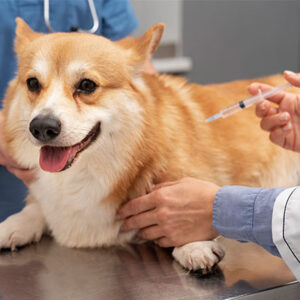
Core Vaccines for Dogs
Core vaccines are recommended for all dogs regardless of lifestyle because the diseases they prevent are widespread, highly contagious, or legally required. These include rabies (required by California law), distemper virus, parvovirus, and adenovirus (hepatitis). Core vaccines are administered as a combination injection (DHPP) starting at six to eight weeks of age, with boosters every three to four weeks until approximately sixteen weeks. This booster series is critical because maternal antibodies decline at varying rates, and the schedule ensures protection develops reliably. Adult dogs receive boosters every one to three years depending on the specific vaccine product and your veterinarian’s risk assessment.
Core Vaccines for Cats
All cats — including indoor-only cats — should receive core vaccines for rabies, feline herpesvirus (rhinotracheitis), calicivirus, and panleukopenia (feline distemper). These are administered as a combination vaccine (FVRCP) beginning at six to eight weeks with boosters until sixteen weeks, followed by adult boosters every one to three years. Rabies vaccination is required by California law for all cats regardless of indoor status. Indoor cats can be exposed through escaped episodes, open windows, visiting animals, and pathogens carried on shoes and clothing.
Non-Core and Lifestyle Vaccines
Non-core vaccines are recommended based on your pet’s exposure risks. For dogs: bordetella (kennel cough) for pets visiting groomers, boarding, daycare, or dog parks; leptospirosis for dogs exposed to wildlife habitats and standing water — a relevant risk in San Joaquin County; canine influenza for socially active dogs; and Lyme disease for pets in tick-endemic areas. For cats, feline leukemia virus (FeLV) vaccination is strongly recommended for outdoor cats, kittens, and cats living with FeLV-positive housemates. Our veterinarians evaluate your pet’s risk profile during wellness examinations to determine which non-core vaccines are appropriate.
Stockton-Area Disease Risks
Parvovirus remains a significant active threat in the Stockton area, particularly for puppies and dogs with incomplete vaccination histories. The warm Central Valley climate sustains flea and tick populations year round and supports leptospirosis-carrying wildlife including raccoons, skunks, and rodents throughout San Joaquin County. Exposure risk increases around irrigation canals, agricultural land, and standing water. These local factors make timely vaccination and consistent booster compliance especially important.
Vaccination Schedule by Life Stage
Puppies and kittens require a vaccination series starting at six to eight weeks, with boosters every three to four weeks until approximately sixteen weeks. Skipping or delaying boosters during this window leaves young animals dangerously vulnerable. Adult pets receive boosters at one to three year intervals depending on the vaccine. Senior pets continue to need vaccination — aging immune systems benefit from maintained protection. We track vaccination history and send reminders when boosters are due. Medications prescribed during vaccination visits are available through our in-house pharmacy. Keeping vaccinations current alongside spay or neuter surgery provides the strongest health foundation. Pet owners looking for low cost vaccination for dogs near me should know we provide competitive pricing and accept CareCredit.
Vaccine Safety and Side Effects
Veterinary vaccines carry a very low risk of adverse reactions. Mild side effects — slight lethargy, injection site soreness, or temporary appetite decrease — typically resolve within twenty-four to forty-eight hours. Serious allergic reactions are rare. We monitor pets briefly after vaccination and recommend watching for facial swelling, hives, vomiting, or difficulty breathing. If a reaction occurs, contact our urgent care team immediately.
Frequently Asked Questions About Pet Vaccinations
Which vaccines does my pet actually need?
All dogs and cats need core vaccines — rabies and distemper/parvo for dogs, FVRCP for cats. Non-core vaccines depend on lifestyle, environment, and local disease risks. Our veterinarians evaluate these factors during wellness visits and recommend only the vaccines that provide meaningful protection for your specific pet’s situation and exposure profile.
How often does my pet need booster shots?
Puppies and kittens need boosters every three to four weeks until approximately sixteen weeks. Adult pets receive core vaccine boosters every one to three years depending on the product. Non-core vaccines like bordetella may require annual boosters. We track your pet’s schedule and send reminders when vaccinations are due to keep protection current.
Are vaccines safe for puppies and kittens?
Yes. Vaccines are specifically formulated and dosed for young animals. The puppy and kitten series builds immunity gradually as maternal antibodies decline. Mild side effects like brief lethargy are common and resolve quickly. The diseases vaccines prevent — parvo, distemper, rabies — are far more dangerous than the minimal risks vaccines themselves carry.
Can my indoor cat skip vaccinations?
No. Rabies vaccination is required by California law for all cats including those kept entirely indoors. Indoor cats can encounter disease through escape episodes, open doors or windows, visiting animals, and pathogens tracked inside on shoes and clothing. Core vaccines provide essential baseline protection for every cat regardless of lifestyle.
What should I do if my pet has a vaccine reaction?
Mild reactions like brief lethargy or injection site tenderness resolve within a day without treatment. Contact our hospital immediately if you observe facial swelling, hives, persistent vomiting, difficulty breathing, or collapse — these signs indicate a more serious allergic reaction requiring prompt veterinary attention and should be treated as an emergency.
Do you offer low-cost vaccination options?
We provide competitive pricing and accept CareCredit for flexible payment. Community vaccination events are offered periodically through San Joaquin County Animal Services and local rescue organizations. Our team helps prioritize which vaccines are most critical if budget is a concern. Preventive vaccination is always more affordable than treating the diseases vaccines prevent.