Few moments are as terrifying for a pet owner as realizing your beloved dog or cat is facing a medical emergency. In a crisis, minutes matter, and having a clear, actionable plan can be the difference between a favorable outcome and tragedy. Recognizing a true emergency, knowing the critical first steps, and having a trusted veterinary resource ready are the three pillars of effective Emergency Pet Care.
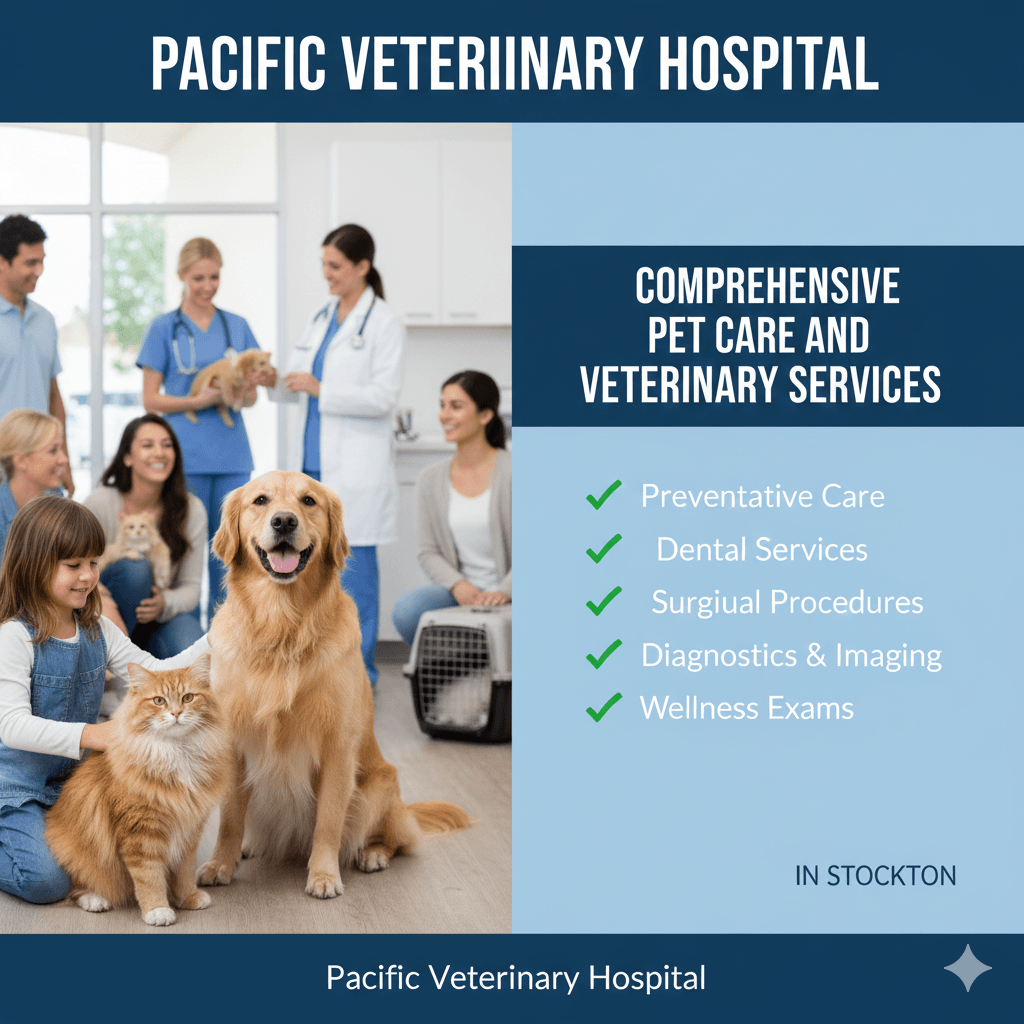
Here at Pacific Veterinary Hospital, we understand the stress of a pet crisis. As a reliable pet hospital near me open now (operating daily from 8 AM to 8 PM), we are committed to being your first call for urgent care in Stockton. Whether you rely on us as your regular pacific animal hospital or need immediate, specialized help, being prepared is key.
This long-form guide provides comprehensive, expert advice on recognizing the most serious pet emergencies and outlines the crucial steps you must take before you even leave the house.
Step Zero: Preparation and Contact—The Crisis Baseline
Before any emergency happens, preparation is paramount.
1. Know When to Go
If you are asking yourself, “Is this an emergency?” the answer is often yes. Critical signs that require immediate transport to an emergency vet near me include:
- Difficulty breathing (open-mouth breathing in cats, excessive panting/gasping in dogs).
- Uncontrolled bleeding.
- Collapse or unconsciousness.
- Protracted vomiting or diarrhea (especially if bloody).
- Inability to urinate (especially in male cats).
- Known ingestion of a toxin (e.g., antifreeze, medication, rat poison).
- Bloated or distended abdomen, often accompanied by non-productive retching.
2. Call Ahead Immediately
If your pet is in crisis, the single most important action you can take is calling ahead. This allows the team at pacific care pet emergency to prepare for your arrival. They can ensure staff and necessary equipment—like oxygen, fluids, or an operating room—are ready, minimizing critical setup time upon your arrival.
- Our Direct Line: (209) 474-2444
- Location: 6828 Pacific Avenue, Stockton, CA 95207
3. Safety First
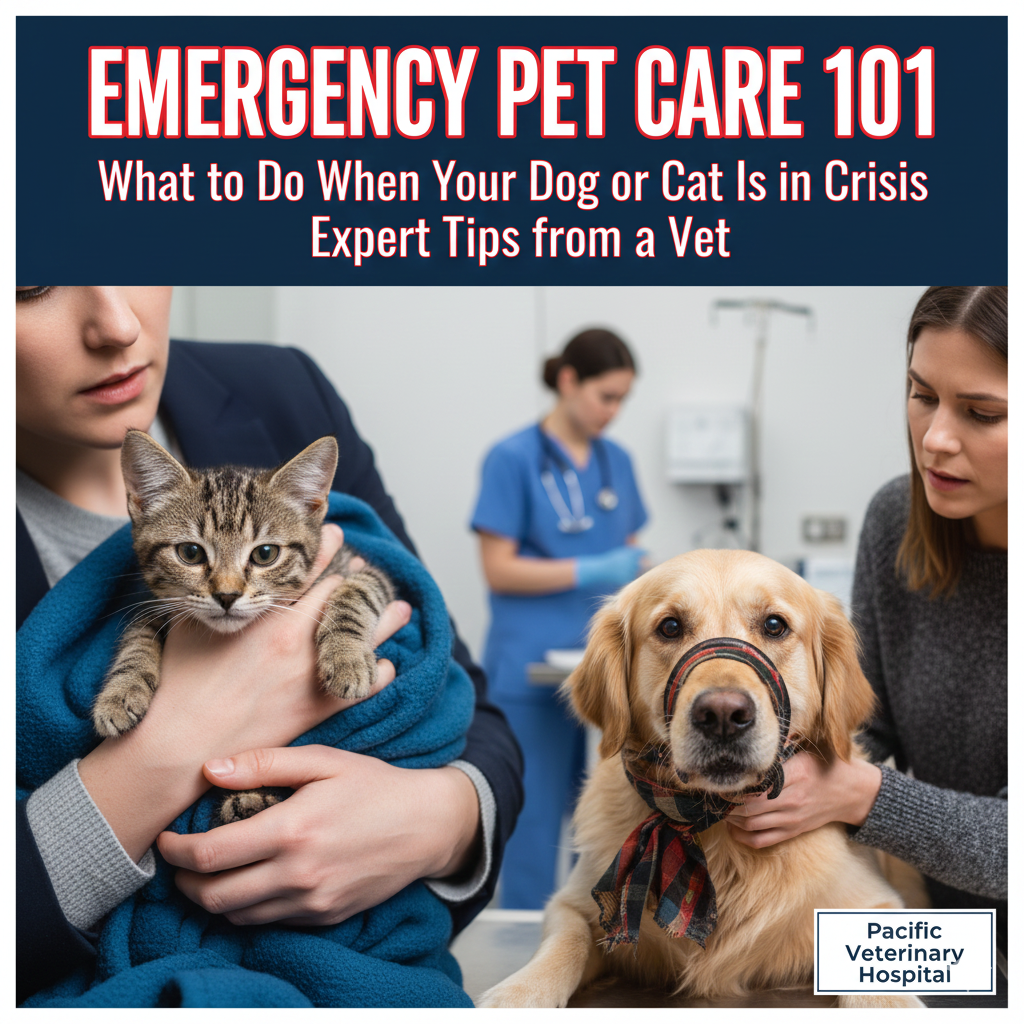
A pet in pain or panic may bite, scratch, or lash out, even at a beloved owner. Approach cautiously. For dogs, a makeshift muzzle (using a scarf or towel) can prevent injury during transport. For cats, wrapping them securely in a thick blanket or towel is often the safest way to move them.
1. Life-Threatening Respiratory and Cardiac Emergencies
When the ability to breathe or the heart’s function is compromised, every second is vital.
Choking and Airway Obstruction
If your pet is pawing at its face, struggling to inhale, or making frantic gagging sounds, an object may be obstructing the airway.
- Check the Mouth: Carefully (and cautiously) open the pet’s mouth and sweep your finger across the back of the throat to feel for a foreign body.
- The Pet Heimlich: For a small pet, hold them upside down and give a few sharp shakes. For a large dog, place your arms around their abdomen just behind the ribs, and give a quick, firm squeeze upward, similar to the human Heimlich.
- Once Clear: Even if the object is dislodged, transport your pet immediately. The airway may be damaged, or the pet may need oxygen.
Difficulty Breathing (Dyspnea)
If a cat is breathing with an open mouth, or if your dog’s breathing is shallow, rapid, or requires visible effort from the abdominal muscles, this is a severe emergency. Breathing distress can be caused by fluid in the lungs or chest cavity (due to trauma or conditions like heart failure), severe asthma, or a blocked airway.
- Action: Keep the pet calm, minimize handling, and transport them immediately to your pacific pet clinic. Advanced diagnostics, including digital X-rays and In-House Ultrasound, are critical for rapidly identifying the cause of breathing distress.
- Advanced Care: Animals in respiratory crisis often need supportive care, and in cases related to complex heart issues, the expertise you might seek from a cardiologist for cats near me may be initially managed through advanced imaging and diagnostics right here.
Collapse and Lack of Consciousness
If your pet suddenly collapses, is unresponsive, or you cannot detect a heartbeat or pulse, immediate CPR may be required while transporting them. Knowing your nearest pet hospital near me open now is paramount, as full resuscitation requires advanced medical intervention, including possible intravenous fluids and specialized monitoring.
2. Traumatic Injuries and Wound Management
Accidents—like falls, car accidents, or animal fights—require swift, precise intervention to manage shock and stabilize injuries.
Severe Bleeding and Wounds
For profuse, spurting, or bright red bleeding, direct, firm pressure is the solution.
- Action: Use a clean cloth, towel, or gauze pad and apply constant pressure to the wound. Do not lift the pressure to check the wound; if blood soaks through, place another pad on top and continue pressing.
- Tourniquets: Only use a tourniquet as an absolute last resort for limb injuries where bleeding cannot be stopped by pressure, as they can cause severe tissue damage. Loosen it every 15 minutes if transport is delayed.
- Bite Wounds: Puncture wounds, especially from animal fights, often look minor on the surface but can cause catastrophic internal damage. They almost always require cleaning, antibiotics, and often surgical closure or drainage—we are fully equipped to perform necessary Surgery for complex wounds.
Fractures, Sprains, and Lameness
If your pet has been hit by a car, has fallen, or is unable to bear weight, a fracture or severe soft tissue injury is likely.
- Action: Do not attempt to reset a broken bone. If transport is necessary, carefully immobilize the limb with a rolled towel or magazine and tape, but only if the pet allows it without extreme pain. The main goal is stabilization for safe transport.
- Diagnosis and Treatment: Upon arrival, the veterinarian will use In-House X-ray to assess the damage. Specialists, such as an orthopedic doctor for dogs, are sometimes necessary, and we can manage initial stabilization and referral or perform many complex orthopedic procedures on-site. Recovery often involves pain management and physical therapy techniques like laser therapy for dogs (or general laser therapy veterinary), which we offer.
3. Gastrointestinal, Urological, and Toxins
These emergencies involve internal systems and often require immediate flushing or life-saving procedures.
Poisoning and Toxin Ingestion
If you witness your pet ingesting a toxin (medication, cleaning supplies, chocolate, rodenticide), every second counts.
- Action: DO NOT induce vomiting unless specifically instructed to do so by a vet or the Pet Poison Helpline. Some toxins (like corrosives) can cause more damage coming back up. Call your veterinarian or the emergency clinic immediately. Bring the container, label, or a sample of the substance to the clinic.
- Severity: Severe poisoning often requires intensive care, including fluid therapy, medication, and, in cases like severe blood loss, specialized interventions like a blood transfusion for dogs near me.
Bloat (Gastric Dilatation and Volvulus – GDV)
Primarily seen in large, deep-chested dogs, Bloat is a true, life-or-death emergency where the stomach twists.
- Symptoms: Failed attempts to vomit (retching without producing anything), restlessness, drooling, and a visibly distended abdomen.
- Action: Immediate transport is required. The condition demands Surgery to untwist and secure the stomach. Delaying treatment by even an hour can be fatal.
The Feline Urinary Blockage
This is a silent killer, almost exclusively affecting male cats, where crystals or stones completely obstruct the urethra, preventing urination.
- Symptoms: Straining in the litter box, crying, frequent trips to the box with no urine production, licking the genitals, or lethargy.
- Action: This requires immediate emergency treatment. Within 24-48 hours, the toxins from the backed-up urine can cause kidney failure and a fatal electrolyte imbalance. Your cat needs immediate catheterization, pain management (often using local anesthesia for pets stockton ca), and intensive fluid therapy. This is a prime example of a pacific care pet emergency.
Uncontrolled Vomiting and Diarrhea
While some episodes resolve on their own, sustained or severe GI symptoms—especially with blood or lethargy—can lead to dangerous dehydration.
- Action: Withhold food and water for a few hours. If vomiting continues or if your pet appears weak, seek veterinary care. Severe issues like Parvovirus require aggressive care, and facilities like ours offer dedicated parvo medicine near me and isolation protocols. Prolonged GI issues can also signal internal problems that require investigation, often including checks for chronic conditions or issues stemming from neglected care, such as severe periodontal disease that might necessitate the expertise of a dog dentist near me or pet dentist near me and specialized treatment like dog teeth removal near me.
4. Specific Feline and Canine Emergencies
Some issues are species-specific and demand rapid recognition.
High-Rise Syndrome (Cats)
Cats who fall from heights often suffer complex, internal injuries. They may look fine initially but hide serious trauma.
- Action: Assume the worst. Transport immediately. Injuries often include broken limbs (requiring specialized cat surgery near me), collapsed lungs, or palatal fractures. Preventive measures like pet neutering or finding a good low cost cat spay near me are crucial, as altered cats are less likely to roam or engage in risky behavior.
Unexplained Seizures
If your pet has a seizure lasting more than a few minutes or has multiple seizures in a short period (cluster seizures), emergency intervention is necessary to stop the brain activity and prevent overheating.
- Action: Keep your pet safe from injury (away from stairs or sharp objects). Do not put anything in their mouth. Time the seizure. Call the clinic immediately. Diagnostics, including specialized In-House Bloodwork or advanced imaging (sometimes referred to as vet imagyst), will be needed to determine the cause.
Heatstroke
Common in dogs, especially brachycephalic (flat-faced) breeds, during high temperatures.
- Symptoms: Excessive panting, bright red gums, lethargy, collapse, vomiting.
- Action: Move the pet into the shade or air conditioning. Use cool (not freezing cold) water to wet the pet down, focusing on the ears, armpits, and groin. DO NOT cover them with a wet blanket, as this traps heat. Transport immediately while cooling.
5. The Long-Term View: Preventative Care and Compassionate Ends
While emergencies demand immediate reaction, the best emergency care is often prevention, and when the end is near, compassion.
Prioritizing Wellness
Maintaining basic health minimizes emergency risks. Ensure your pet is current on all essential dog vaccinations near me and cat immunizations, including rabies vaccine for dogs near me and comprehensive checkups. For those needing accessible care, finding a reliable low income veterinary near me or checking out spay clinic near me options ensures that core preventative services like free or low cost neutering for dogs and low cost spay and neuter clinics near me for cats are not neglected.
End-of-Life Emergencies
Facing a terminal crisis is the most difficult emergency. When comfort and dignity become the primary focus, our compassionate team provides guidance and services like euthanasia for pets. We offer supportive end-of-life care, including dog euthanasia near me and sensitive services like deceased pet pick up near me, ensuring a peaceful transition and support for your family during this difficult time.
Pacific Veterinary Hospital: Always Ready for Your Crisis
When searching for a top rated vet near me for an urgent crisis, you need experience and availability. At our pacific avenue vet clinic, we provide both.
We are equipped to handle a wide range of emergencies and have on-site capabilities to diagnose and treat critical conditions quickly:
- In-House Diagnostics: Rapid results from In-House Bloodwork, digital X-ray, and In-House Ultrasound.
- Pharmacy: An In-House Pharmacy for immediate medication dispensing.
- Urgent Care: Open Daily, 8 AM – 8 PM—including weekends—so you don’t have to wait.
If your pet is in crisis, remember to stay calm, ensure safety, and call us right away. We are here to provide the expert pacific vet care your family needs, every day.
Pacific Veterinary Hospital
Open Daily, 8 AM – 8 PM
Location: 6828 Pacific Avenue, Stockton, CA 95207
Phone: (209) 474-2444
For information on non-emergency services, including Dental Care, Wellness Checkup, and Spay and Neuter, please visit our dedicated service pages.