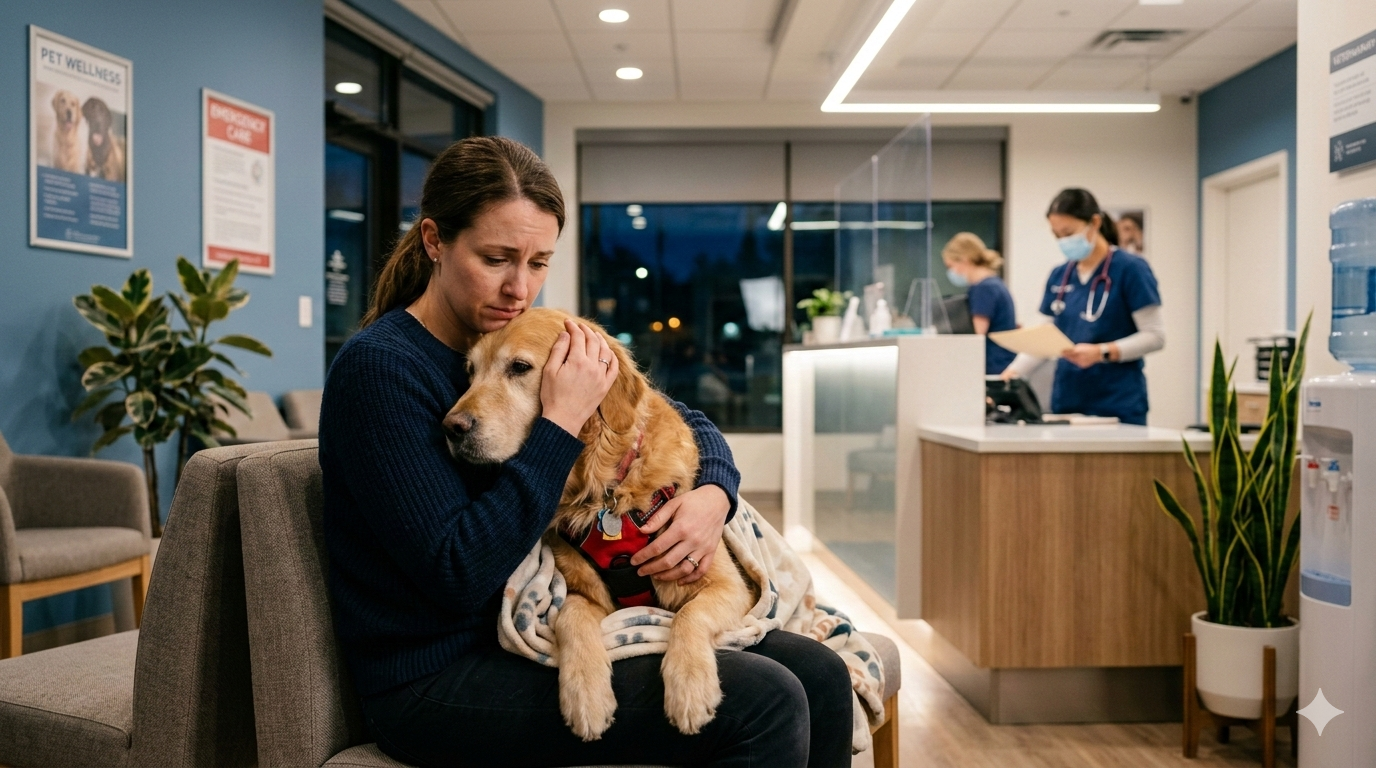
It was a regular Tuesday evening when Sarah, a Stockton resident and lifelong dog lover, noticed something terrifying. Her three-year-old Labrador, Duke, had been playing in the backyard one moment — and the next, he was lying on his side, breathing in shallow, rapid gasps. His gums had turned pale. He wouldn’t stand up.
Sarah didn’t know what was wrong, but she knew one thing: she needed an emergency vet in Stockton, and she needed one now.
If you’ve ever found yourself in a similar situation — standing over your pet, heart pounding, wondering whether what you’re seeing is truly an emergency — you’re not alone. Every year, thousands of pet owners across Stockton and the greater San Joaquin Valley face these exact moments. And the difference between a good outcome and a devastating one often comes down to how quickly you recognize the pet emergency signs and take action.
This guide is written to help you do exactly that. We’ll walk through the most common signs that your dog or cat needs urgent vet care, explain what to do in those critical first minutes, and share how our team at Pacific Veterinary Hospital on Pacific Avenue has helped Stockton families navigate these situations for more than 40 years.
Understanding the Difference Between Urgent and Emergency Vet Care
Before we get into specific symptoms, it helps to understand that not every concerning situation is a full-blown emergency — but that doesn’t mean it can wait until Monday morning, either.
A true emergency is a situation where your pet’s life is at immediate risk. Think severe trauma from being hit by a car, uncontrolled bleeding, active seizures, or complete inability to breathe. These situations require the closest available emergency veterinarian near you, ideally one equipped with in-house diagnostics and surgical capability.
Urgent vet care, on the other hand, covers situations that are serious and time-sensitive but not necessarily life-threatening in the next few minutes. A pet who has been vomiting repeatedly for several hours, a dog limping badly after a fall, or a cat refusing food for more than 24 hours — these all warrant same-day attention from a veterinarian in Stockton, even if the situation doesn’t feel quite as dramatic as a car accident.
The tricky part? It’s not always obvious which category your pet falls into. A dog who ate chocolate two hours ago might look perfectly fine — but the toxicity could be building silently. A cat hiding under the bed and refusing to come out might just be moody, or it could be masking serious pain.
When you’re unsure, the safest move is always to call a vet. At Pacific Veterinary Hospital, our team is available seven days a week, from 8:30 AM to 8 PM, including weekends and holidays. We can talk you through the situation over the phone and help you decide whether your pet needs to come in immediately or if monitoring at home is appropriate.
Pet Emergency Signs Every Owner Should Recognize
Knowing the warning signs that your pet is in distress can save their life. Animals are remarkably good at hiding pain — it’s an evolutionary instinct that served their wild ancestors well but makes it harder for us to catch problems early. Here are the critical pet emergency signs that should prompt an immediate visit to an emergency vet in Stockton.
Difficulty Breathing or Persistent Coughing
If your dog or cat is gasping, wheezing, breathing with an open mouth (especially cats, who almost never do this normally), or coughing non-stop, this is one of the most serious emergencies you can face. Respiratory distress can indicate fluid in the lungs, an allergic reaction, a foreign object lodged in the airway, or heart failure. Don’t wait. Get to a vet immediately.
Sudden Collapse or Inability to Stand
When a pet who was walking around normally suddenly can’t get up or collapses mid-stride, something significant is happening internally. It could be a cardiac event, internal bleeding, severe pain from a ruptured organ, or a neurological episode. This is the kind of pet emergency sign where minutes genuinely matter, and your veterinarian in Stockton will need to run bloodwork, imaging, or both to figure out what’s going on.
Uncontrolled Bleeding or Obvious Trauma
A deep wound, a broken bone protruding through the skin, or bleeding that won’t stop with direct pressure are all situations that call for urgent vet care without hesitation. Even if the bleeding seems to slow down on its own, internal damage may be occurring beneath the surface. If your pet has been hit by a vehicle, fallen from a significant height, or been attacked by another animal, they need professional evaluation even if they appear okay on the outside.
Repeated Vomiting or Diarrhea (Especially with Blood)
A single episode of vomiting isn’t usually cause for panic. But if your dog is throwing up every 30 minutes, or your cat is producing bloody stool, the situation has moved well beyond a simple upset stomach. Persistent vomiting and diarrhea can lead to dangerous dehydration within hours, particularly in puppies, kittens, and senior pets. Bloody vomit or stool can signal intestinal obstruction, poisoning, or parvovirus — all of which require immediate intervention.
Ingestion of Something Toxic
Stockton pet owners know that the Central Valley heat sends everyone indoors, often into garages and kitchens where common toxins lurk. Chocolate, grapes, xylitol (found in sugar-free gum), antifreeze, rat poison, certain houseplants, and human medications like ibuprofen are all potentially fatal to dogs and cats. If you know or even suspect your pet has eaten something they shouldn’t have, don’t wait for symptoms to appear. Call your vet or an animal poison control center immediately. Time is the most important factor in treating poisoning.
Seizures
Watching your pet have a seizure is one of the most frightening experiences an owner can go through. The pet may collapse, paddle their legs, drool excessively, or lose bladder control. A single brief seizure (under two minutes) that resolves on its own still warrants a same-day vet visit. Multiple seizures in a row, or a seizure lasting more than three minutes, is a medical emergency. Keep your hands away from their mouth (they won’t swallow their tongue), move nearby objects that could hurt them, and get to a vet as quickly as you can.
Straining to Urinate or Defecate
This one catches a lot of owners off guard because it doesn’t seem as dramatic as bleeding or collapse. But a pet — especially a male cat — who is straining in the litter box or crying out while trying to urinate could have a urinary blockage. Left untreated, a complete urinary obstruction can be fatal within 24 to 48 hours. If your pet is making frequent trips to the litter box or yard with little to no output, treat it as urgent.
Severe Lethargy or Sudden Behavior Changes
You know your pet better than anyone. If your normally playful dog is lying in a corner and won’t look at you, or your social cat has hidden under the bed and won’t come out for treats, trust your gut. Sudden and drastic behavior changes are often the earliest pet emergency signs that something is seriously wrong internally, even before other physical symptoms appear.
What to Do in the First 10 Minutes of a Pet Emergency
When you realize your pet is in trouble, panic is natural. But what you do in the first few minutes can make a real difference.
First, stay as calm as you can. Your pet picks up on your emotional state, and a panicked owner can make a stressed animal even more distressed. Take a breath, then assess the situation.
Second, call ahead. If you’re heading to Pacific Veterinary Hospital, calling (209) 474-2444 before you leave gives our team a heads-up so we can prepare for your arrival. Describe what you’re seeing — breathing pattern, consciousness level, any known ingestion — and we’ll guide you on whether to come straight in or take any specific first-aid steps at home.
Third, transport your pet safely. For dogs, use a blanket or towel as a makeshift stretcher if they can’t walk. For cats, place them gently in a carrier or a secure box. Avoid restraining an animal that’s actively seizing, and never muzzle a pet who is struggling to breathe.
Finally, bring any relevant information with you. If your pet got into a specific toxin, bring the packaging. If they’re on medication, bring the bottle. The more information your vet has, the faster they can act.
Why Choosing the Right Emergency Vet in Stockton Matters
Not all veterinary facilities are equipped the same way, and that difference matters enormously when your pet is in crisis.
Pacific Veterinary Hospital has served Stockton families since 1981, and our facility is built for exactly these moments. We maintain in-house X-ray and ultrasound capabilities, which means we can image your pet’s chest, abdomen, or limbs within minutes of arrival — no waiting for an outside facility to send results. Our in-house bloodwork lab delivers rapid results for organ function, blood cell counts, and toxin markers, often within the same visit.
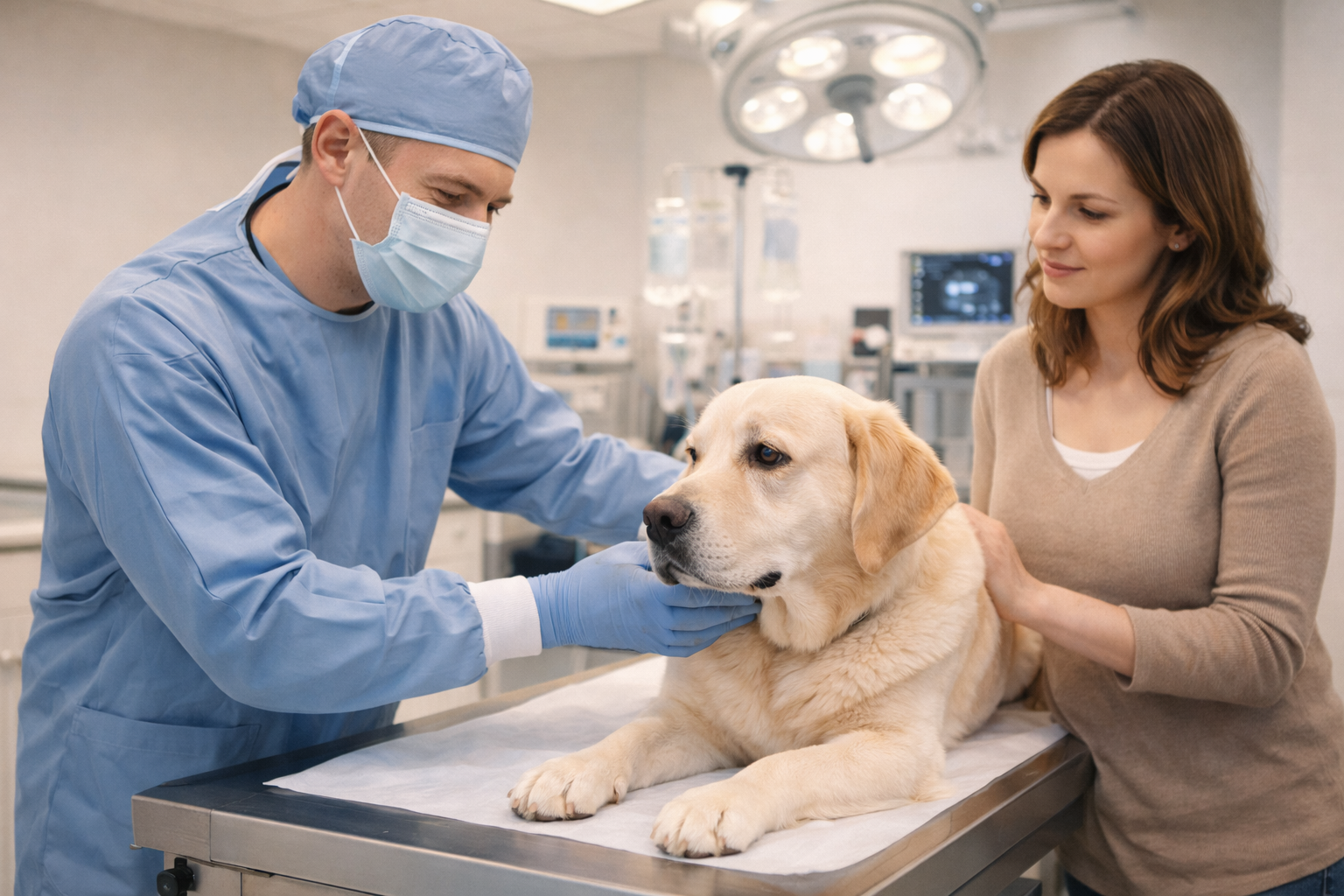
For pets who need immediate surgical intervention — such as removing a foreign object from the intestines or repairing a laceration — our surgical team is prepared to operate the same day. Having diagnostics and surgery under one roof eliminates the delays that can happen when a smaller clinic needs to refer you elsewhere.
We’re also open seven days a week, including weekends, which is significant because pet emergencies have a frustrating habit of happening on Saturday nights and Sunday mornings when most veterinary offices in Stockton are closed.
Common Pet Emergencies We See in the Stockton Area
Living in the Central Valley comes with specific risks that Stockton pet owners should be aware of.
Heat-related illness is a major concern from late spring through early fall. Stockton regularly sees triple-digit temperatures, and dogs left outside without adequate shade or water — or exercised during the hottest parts of the day — can develop heatstroke rapidly. Signs include excessive panting, drooling, bright red gums, staggering, and eventual collapse. Heatstroke is a true emergency; untreated, it can cause organ failure and death. Move the pet to a cool area, apply room-temperature (not ice-cold) water to their body, and get to an emergency vet in Stockton as fast as possible.
Foxtail injuries are another Central Valley staple. These barbed grass seeds are everywhere in Stockton from spring through summer, and they can burrow into a dog’s nose, ears, eyes, or paw pads. A dog suddenly sneezing violently and repeatedly, especially after a walk through dry grass, likely has a foxtail lodged in the nasal passage. These don’t come out on their own — they migrate deeper — and require veterinary removal.
Rattlesnake bites also occur in the areas surrounding Stockton, particularly in rural and foothill areas of San Joaquin County. If you see fang marks, rapid swelling, or your pet cries out suddenly while outdoors, get to a vet immediately. Time to treatment directly impacts survival.
Parvo outbreaks remain a recurring concern in Stockton, particularly among unvaccinated puppies. Symptoms include severe bloody diarrhea, vomiting, and lethargy. This virus is highly contagious and can be fatal without aggressive treatment. If you suspect parvo, seek urgent vet care immediately and keep the infected puppy isolated from other dogs.
Preventing Pet Emergencies Before They Happen
While you can’t prevent every accident, a surprising number of pet emergencies are avoidable with the right preventive care.
Scheduling regular wellness checkups is one of the most effective things you can do. These visits allow your veterinarian to catch developing problems — heart murmurs, early kidney disease, dental infections that could spread to the bloodstream — before they become emergencies. For more on why these exams matter, read our guide on why annual wellness exams are essential for your dog and cat.
Keeping your pet’s vaccinations current protects against diseases like parvovirus, distemper, and rabies that can quickly become life-threatening. Pet-proofing your home — securing medications, keeping chocolate and grapes out of reach, storing antifreeze in sealed containers — eliminates many of the most common poisoning cases we see. During the holidays, extra caution is needed around decorations, table scraps, and gift packaging, as we detail in our holiday pet safety tips guide.
Learning to spot subtle changes in your pet’s behavior is equally important. Cats, in particular, are masters of hiding illness. Our article on how to spot early symptoms of illness in cats is a valuable resource for cat owners who want to catch problems before they escalate into emergencies.
What Happens When You Arrive at Pacific Veterinary Hospital for an Emergency
Knowing what to expect can ease some of the anxiety of an emergency vet visit.
When you walk through our doors at 6828 Pacific Avenue in Stockton with a pet in distress, our front desk team will assess the urgency of the situation immediately. Critical cases — pets who are struggling to breathe, actively bleeding, or unresponsive — are triaged ahead of other appointments.
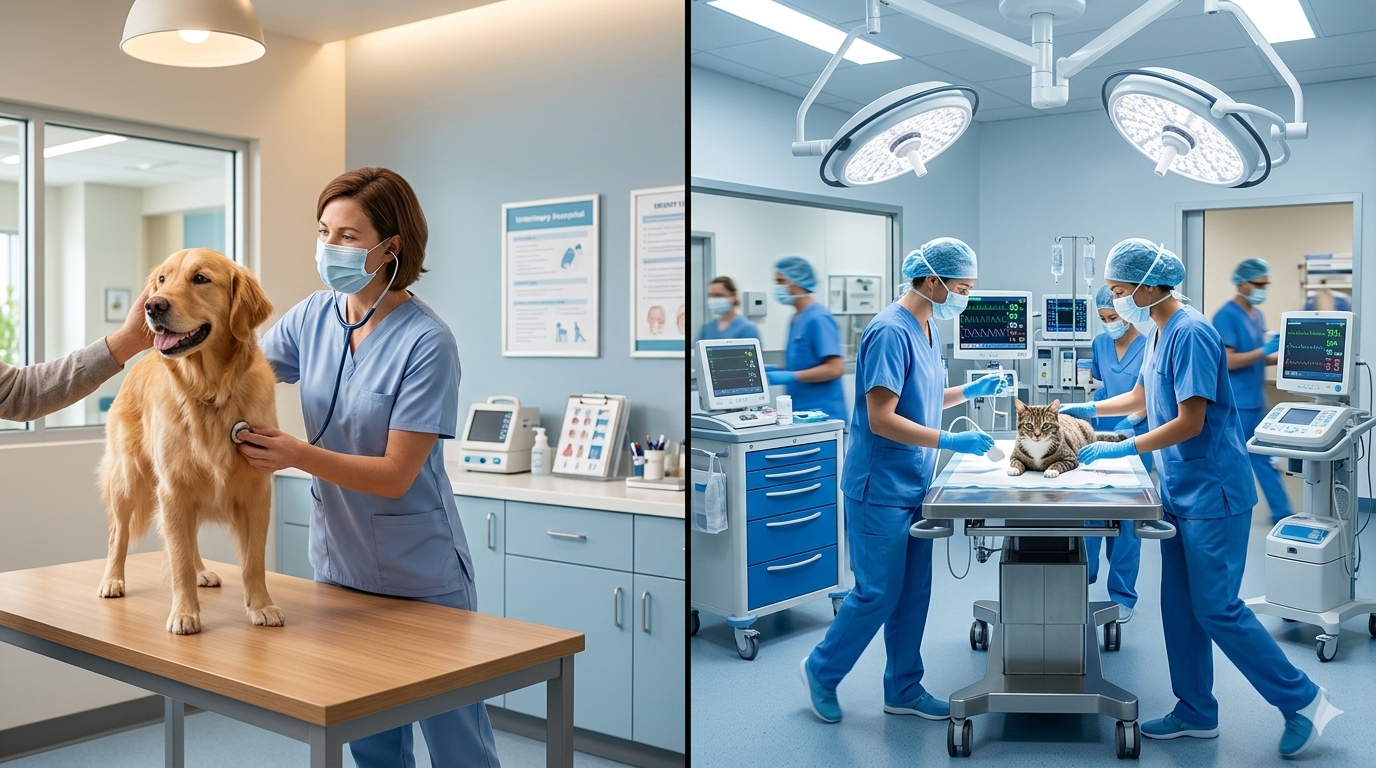
Your pet will be taken to an exam room where a veterinarian will perform a rapid assessment: checking vitals, evaluating pain, and determining what diagnostics are needed. Depending on the situation, this might include blood panels, X-rays, or an ultrasound, all of which are performed in-house so there’s no waiting for outside labs.
Once we have a picture of what’s going on, your vet will walk you through the findings, explain what treatment options are available, and help you make an informed decision about the next steps. We believe strongly in transparent communication — you’ll never be in the dark about what’s happening with your pet or why a particular treatment is recommended.
For pets who need to stay for monitoring or additional treatment, our team provides attentive inpatient care and keeps you updated throughout the process. For those who are safe to go home, you’ll leave with clear discharge instructions and a follow-up plan.
Frequently Asked Questions About Emergency Vet Care in Stockton
-
How do I know if my pet’s situation is a true emergency?
If your pet is having trouble breathing, has collapsed, is bleeding heavily, is seizing, or has ingested something toxic, treat it as an emergency and seek care immediately. When in doubt, call your vet — our team at (209) 474-2444 can help you evaluate the situation over the phone.
-
Is Pacific Veterinary Hospital open on weekends for emergencies?
Yes. We are open every day of the week, including weekends, from 8:30 AM to 8 PM. We provide emergency and urgent care during all business hours. For life-threatening emergencies that occur outside our hours, we recommend contacting the nearest 24-hour emergency animal hospital.
-
What should I bring to an emergency vet visit?
Bring your pet’s medical records if available, any medications they’re currently taking, and information about what happened (including packaging if they ingested something toxic). If you’ve taken photos or video of the symptoms, those can be helpful too.
-
Can I walk in for urgent vet care, or do I need an appointment?
For emergencies and urgent situations, you can walk in during our business hours. We do recommend calling ahead at (209) 474-2444 so our team can prepare, but we will never turn away a pet in genuine distress.
-
What if my pet needs emergency care after your hours?
Pacific Veterinary Hospital is not a 24-hour facility. If your pet experiences a life-threatening emergency outside of our 8:30 AM to 8 PM operating hours, we recommend contacting a 24-hour emergency veterinary clinic in the Stockton area. You can also call us during business hours for guidance or to schedule an urgent follow-up.
When in Doubt, Don’t Wait
If there’s one takeaway from this guide, let it be this: when it comes to pet emergency signs, it is always better to be cautious. A trip to the emergency vet that turns out to be “nothing serious” is infinitely better than waiting at home while a treatable condition becomes critical.
Our team at Pacific Veterinary Hospital has been here for Stockton’s pets since 1981. We’ve seen everything from foxtail emergencies to rattlesnake bites to late-night parvo cases, and we’ve been here through all of them because we genuinely care about the animals and families in this community.
If your pet is showing any of the signs discussed in this article, or if something just feels off and you can’t put your finger on it, reach out to us. Call (209) 474-2444, visit us at 6828 Pacific Avenue, Stockton, CA 95207, or stop by any day of the week. We’re here for you and your pet — seven days a week, no exceptions.
For more on what to do when your pet is in crisis, check out our comprehensive guide: Emergency Pet Care 101: What to Do When Your Dog or Cat Is in Crisis.