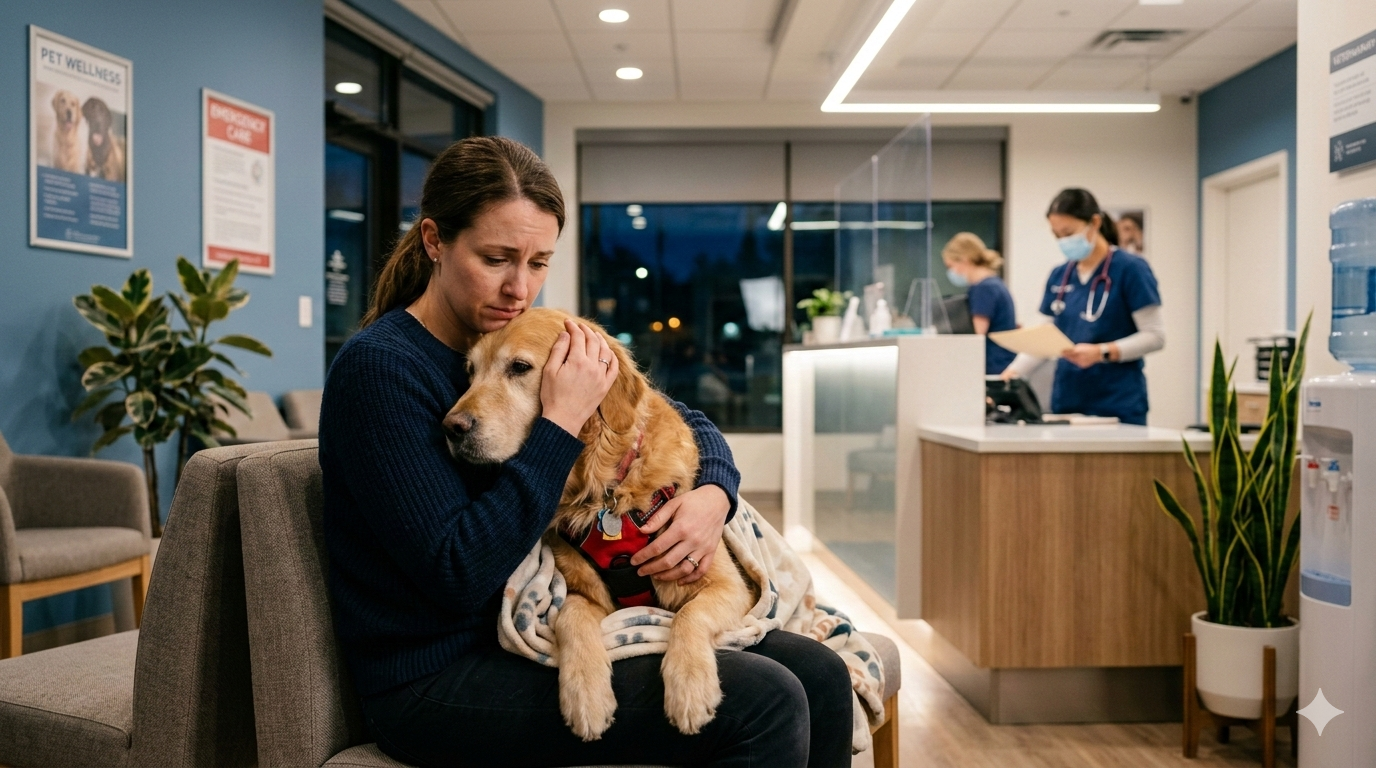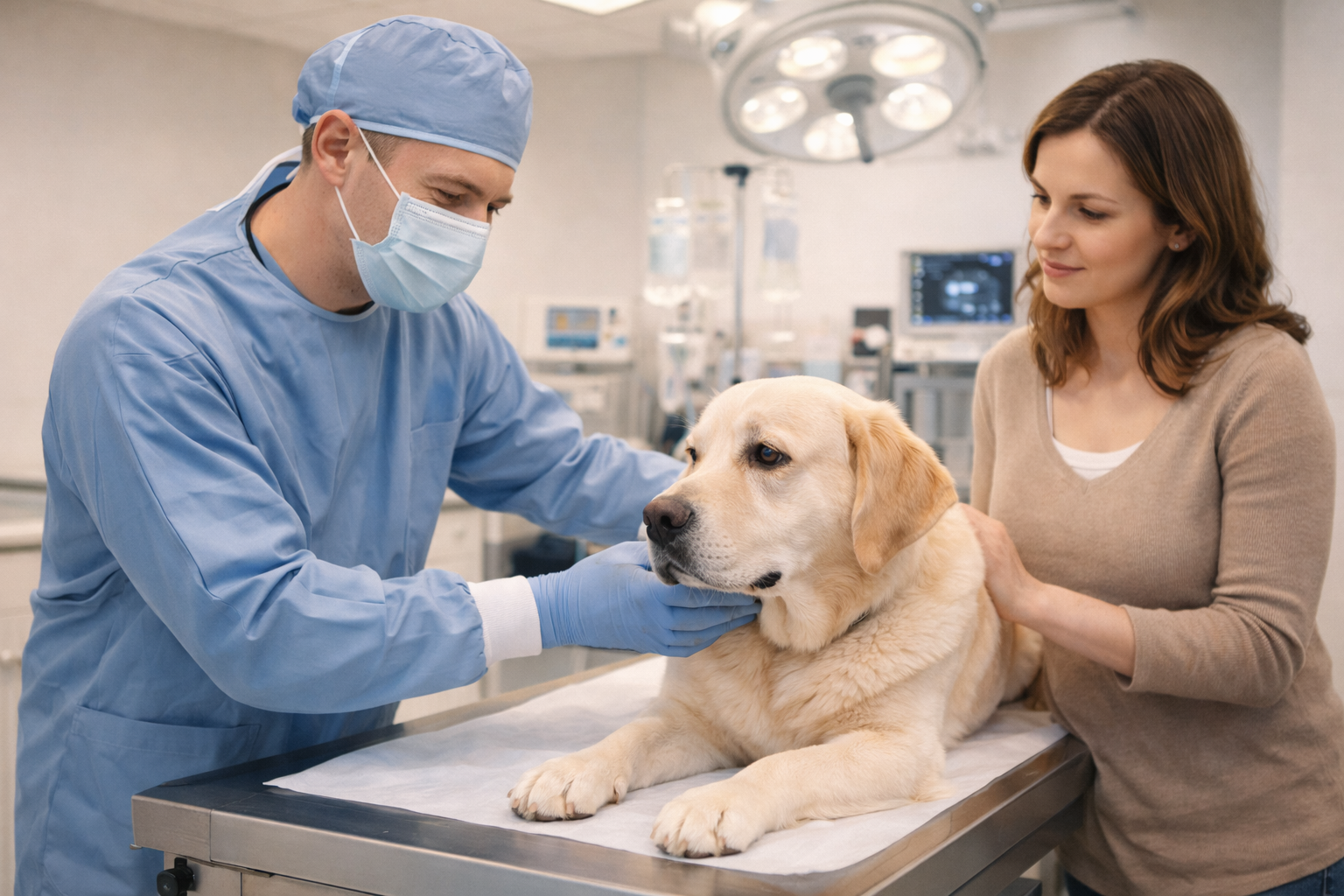
It was a regular Tuesday evening when Sarah, a Stockton resident, noticed her three-year-old Labrador, Duke, struggling to breathe after gobbling something off the kitchen counter. Her first instinct was to wait and see if he would shake it off. Twenty minutes later, Duke was drooling, pacing, and whimpering. Sarah grabbed her keys, loaded Duke into the car, and drove straight to Pacific Veterinary Hospital on Pacific Avenue. Within the hour, the veterinary team had identified a partial obstruction, stabilized Duke, and walked Sarah through every step of the treatment plan.
Stories like Sarah’s happen more often than most pet owners realize. The Central Valley heat, backyard hazards, and everyday household items create a landscape where animal emergencies can strike without warning. The real question isn’t whether your pet will ever need urgent attention—it’s whether you’ll know what to do when that moment arrives.
This guide is built for Stockton pet owners who want straight answers. We’ll walk through the situations that demand an immediate trip to an emergency vet in Stockton, the ones that can safely wait until morning, and exactly what the experience looks like when you bring your pet through our doors at Pacific Veterinary Hospital. We’ve been serving this community since 1981, and over four decades of hands-on experience have taught us one thing above all: knowing when and how to act is half the battle.
Recognizing a Pet Emergency: Signs That Need Immediate Veterinary Attention
One of the hardest calls a pet owner has to make is figuring out whether their dog or cat needs an emergency veterinarian near them right now or whether a morning appointment will suffice. Animals are wired to mask pain—it’s a survival instinct that served their ancestors well in the wild but makes our job as caregivers significantly harder. Here’s a practical breakdown of the situations where waiting simply isn’t an option.
Difficulty Breathing or Open-Mouth Breathing in Cats
Labored breathing is arguably the most serious pet emergency sign you can observe at home. If your dog is gasping, wheezing, or extending its neck to get air, something is very wrong. Cats deserve special mention here because healthy cats almost never breathe with their mouths open. If your cat is panting or mouth-breathing, treat it as an animal emergency near you that cannot wait. Causes range from heart failure and fluid in the lungs to severe allergic reactions and airway obstruction. Whatever the underlying issue, the window for effective treatment narrows quickly.
Trauma, Uncontrolled Bleeding, or Suspected Broken Bones
If your pet has been hit by a vehicle, taken a serious fall, or been involved in an animal attack, they need to be seen by a veterinarian even if they appear to be walking normally afterward. Internal injuries—ruptured organs, internal bleeding, hairline fractures—often don’t show external symptoms for hours. Bleeding that won’t stop with firm, direct pressure for five to ten minutes is another clear indicator to head to an urgent care vet in Stockton immediately. Apply a clean cloth, keep pressure on the wound, and get moving.
Persistent Vomiting, Bloody Stool, or Suspected Poisoning
A single bout of vomiting after eating grass isn’t typically cause for alarm. But when your dog is throwing up every twenty to thirty minutes, or your cat produces bloody stool, the situation has escalated beyond a mild stomach upset. Persistent vomiting and diarrhea can cause dangerous dehydration in puppies, kittens, and senior pets within just a few hours. Bloody vomit or stool may point to intestinal obstruction, parvovirus, or poisoning—all conditions that require swift intervention.
Stockton households should be especially mindful of common toxins: chocolate, grapes, xylitol in sugar-free gum, antifreeze stored in garages, rat poison tucked behind appliances, and certain houseplants. If you suspect your pet has ingested something toxic, don’t wait for symptoms to surface. Call us at (209) 474-2444 and head in.
Seizures, Collapse, or Sudden Inability to Stand
A pet that collapses, loses consciousness, or experiences a seizure needs veterinary care urgently. Seizures can result from epilepsy, liver disease, brain tumors, toxin exposure, or critically low blood sugar. If the seizure lasts more than two minutes or your pet has multiple seizures in a row, you are dealing with a life-threatening situation. Keep your pet away from furniture edges, do not put your hands near their mouth, and get to an emergency vet in Stockton as quickly as possible.
Heatstroke: A Central Valley Reality
Living in Stockton means dealing with triple-digit temperatures from late spring through early fall. Heatstroke is a genuine and recurring threat to pets in the Central Valley. Dogs left outside without shade, walked on scorching pavement, or locked in warm cars can overheat rapidly. Signs include excessive panting, drooling, bright red gums, stumbling, and eventual collapse. Begin cooling your pet with lukewarm (not ice-cold) water while you drive to the hospital. Heatstroke can cause organ failure if body temperature isn’t brought down in time.
Situations That Can Wait Until Your Next Appointment
Not every health concern requires a panicked drive across town. Understanding which situations allow you to schedule a regular visit helps you make calm, informed decisions. The following conditions are worth monitoring and bringing up at your pet’s next wellness checkup rather than treating as an after-hours emergency.
Minor limping that doesn’t worsen over a day or two, a single episode of vomiting or soft stool without blood, mild ear scratching, occasional sneezing, a small scrape or superficial wound that you can clean and monitor, and gradual weight changes are generally situations where you can schedule an appointment within the next day or so. Fleas or ticks you discover during grooming can also wait for a scheduled visit, though you should start removal and prevention measures at home.
The gray area is what trips most people up. When you’re unsure whether your pet’s condition is urgent or can wait, call our team at (209) 474-2444. We’re available seven days a week and can help you evaluate the situation over the phone. It’s far better to call and find out it’s nothing than to wait and discover it was something serious.
What Happens When You Bring Your Pet to Pacific Veterinary Hospital for an Emergency
Walking into any veterinary clinic with a sick or injured animal is stressful. Knowing exactly what to expect can ease some of that anxiety. Here’s the step-by-step process when you arrive at our hospital for emergency and urgent care.
Arrival and Triage
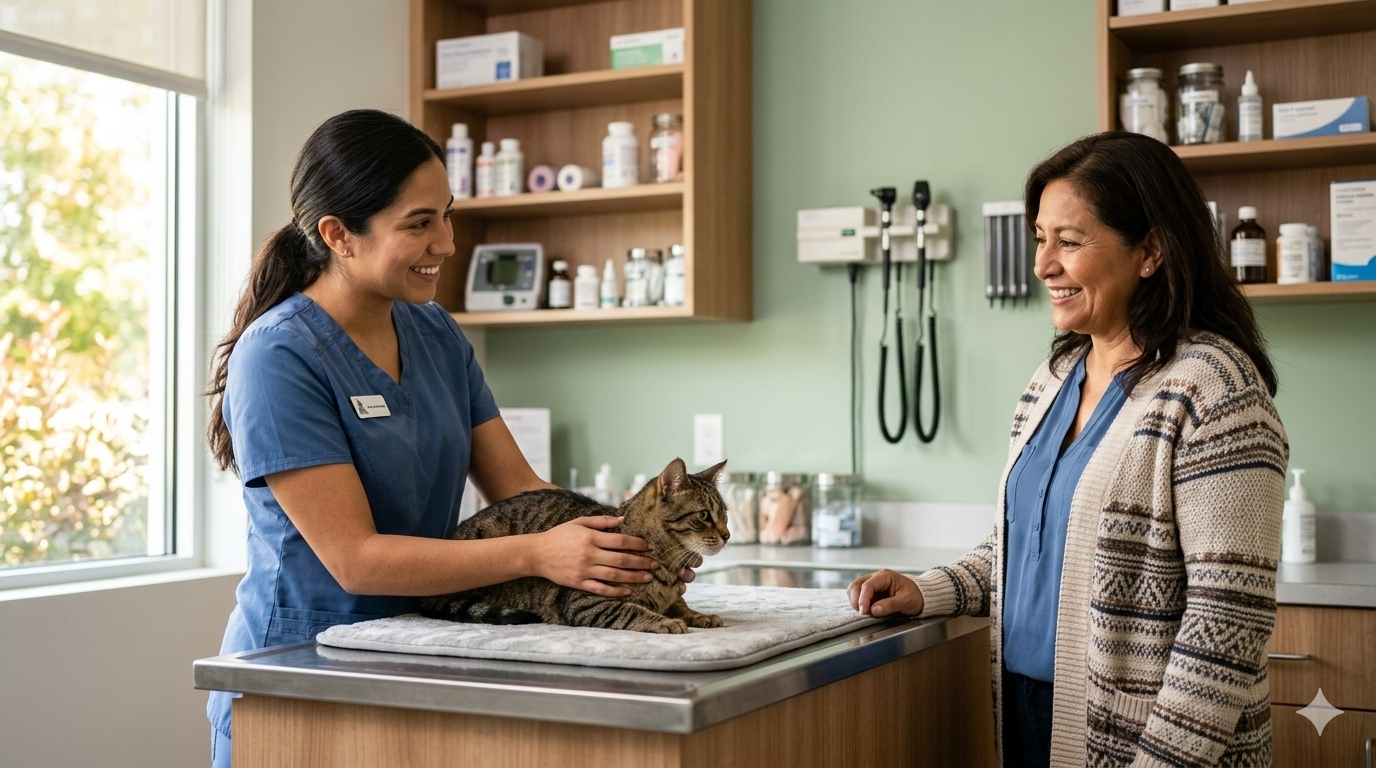
The moment you walk through our doors, our front-desk team assesses the severity of your pet’s condition. True emergencies—pets that are actively seizing, struggling to breathe, or bleeding heavily—are taken to an exam room immediately. For urgent but stable cases, there may be a brief wait, but our staff keeps you informed every step of the way. We accept walk-ins for emergencies during all business hours, so you never need to worry about calling ahead in a genuine crisis.
Examination and In-House Diagnostics
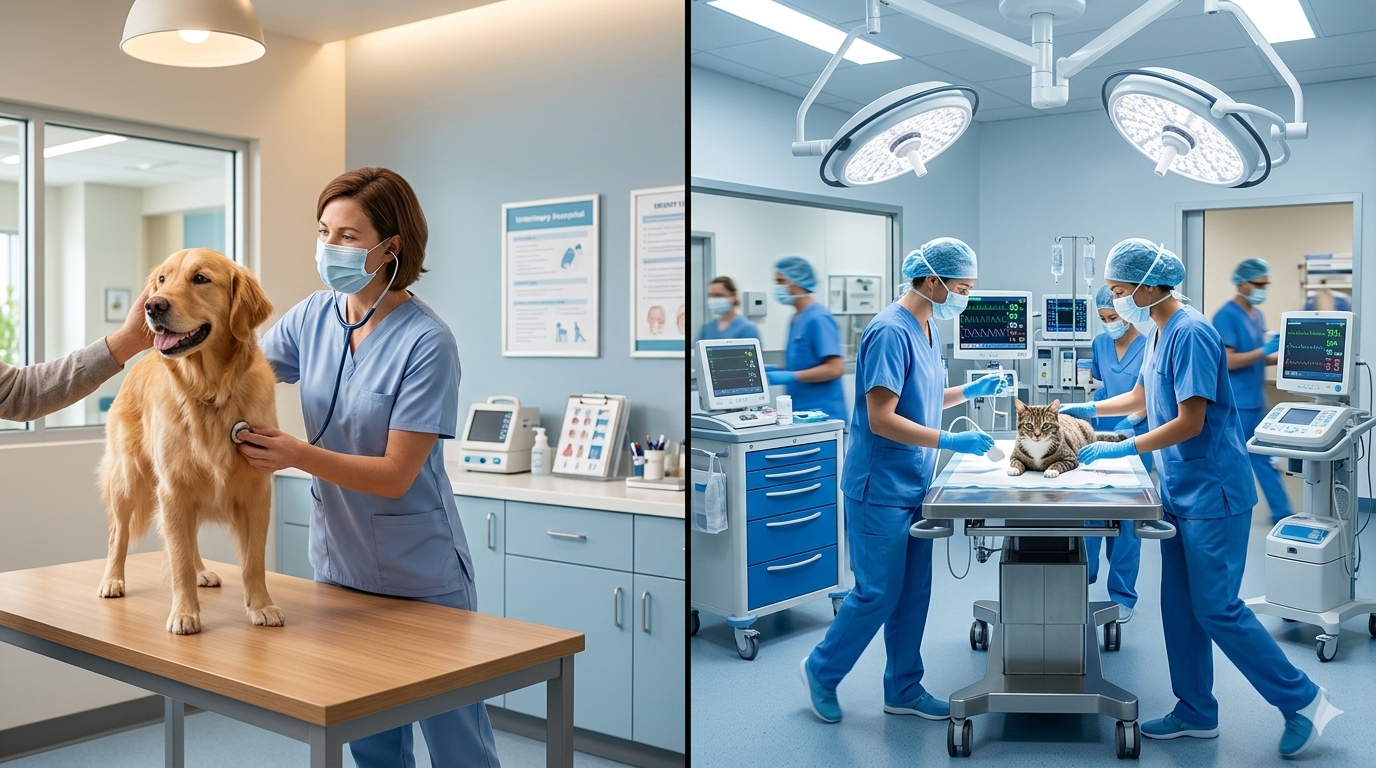
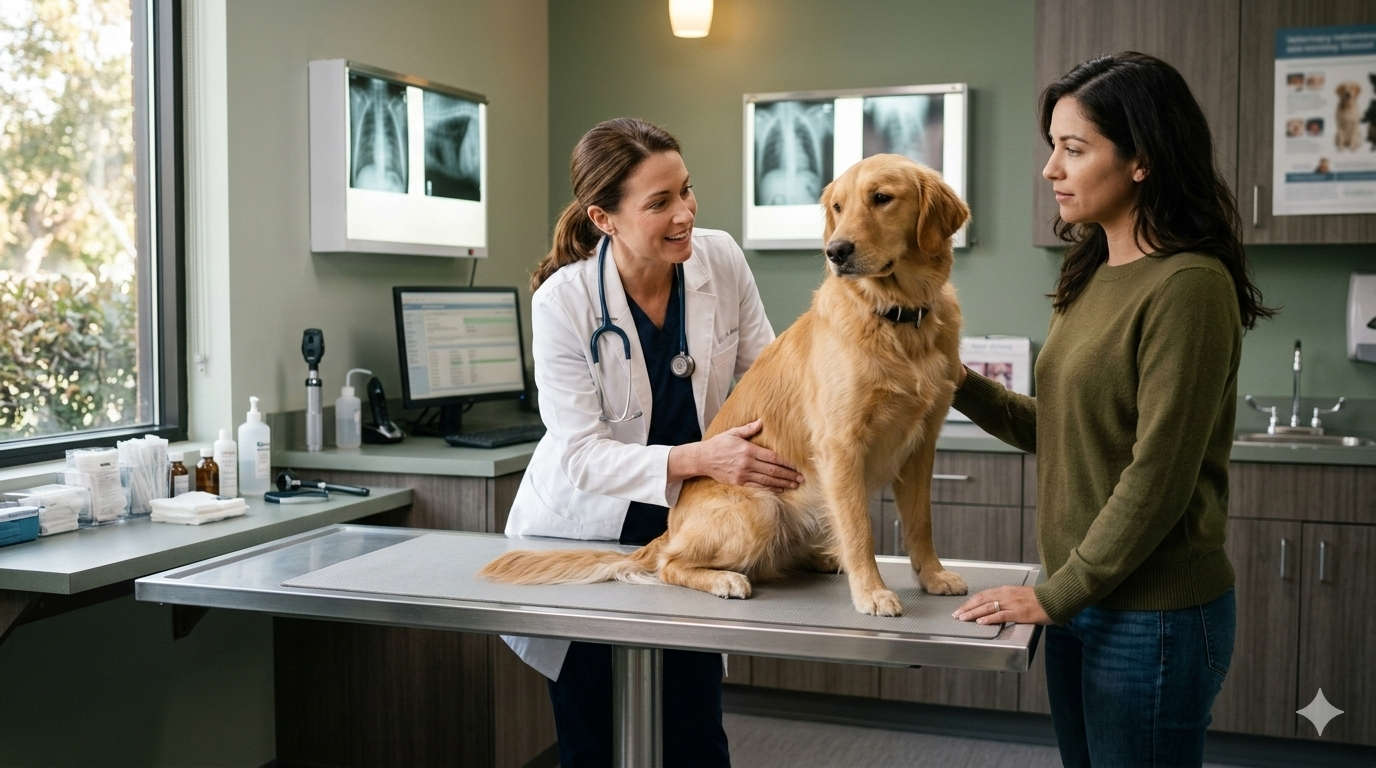
Once your pet is in the exam room, a veterinarian performs a rapid assessment: checking vitals, evaluating pain levels, and determining which diagnostic tests are needed. What sets Pacific Veterinary Hospital apart from many smaller clinics is that we perform blood panels, X-rays, ultrasound, and cardiac workups entirely in-house. There’s no waiting for outside labs to return results, no referrals to a different facility for imaging. This is a critical advantage in emergencies because time is the one thing you can’t get back.
Our diagnostic capabilities allow us to quickly identify conditions like intestinal blockages, fractures, internal bleeding, organ dysfunction, and infections. Having these tools under one roof means your pet can go from initial evaluation to accurate diagnosis in a fraction of the time it would take at a clinic that relies on external resources.
Transparent Treatment Planning
After we have a clear picture of what’s happening, your veterinarian sits down with you and walks through the findings. We explain what we’ve found, what treatment options are available, and what each option involves. You’ll never feel rushed into a decision or left in the dark. Transparent communication is something our team takes seriously—it’s a core part of why families trust us with their pets.
For pets requiring surgical intervention—such as removing a foreign object from the intestines or repairing a laceration—our surgical team is prepared to operate the same day. Pets who need to stay for monitoring or additional treatment receive attentive inpatient care, and we keep owners updated throughout the process. Pets who are stable enough to go home leave with clear discharge instructions and a follow-up plan.
A Case from Our Files: How Quick Action Saved a Stockton Family’s Dog
A few summers ago, a couple brought in their four-year-old Boxer, Bella, on a Saturday afternoon. Bella had been playing in the backyard and suddenly became lethargic, started vomiting foam, and her abdomen appeared visibly swollen. The owners nearly waited until Monday to see their regular vet—but something told them this couldn’t wait.
They were right. Our team immediately recognized the signs of gastric dilatation-volvulus, commonly known as bloat—a condition where the stomach twists on itself, cutting off blood supply. It’s one of the most time-sensitive surgical emergencies in veterinary medicine. Within minutes of arrival, Bella was on IV fluids, having her stomach decompressed, and being prepped for emergency surgery. The procedure lasted just over an hour. Bella spent the next two days recovering at our hospital with round-the-clock monitoring before going home to her relieved family.
Had Bella’s owners waited until Monday, the outcome would have been drastically different. Cases like Bella’s reinforce why having a full-service veterinary hospital with in-house diagnostics and comprehensive surgical capabilities matters so much during emergencies. It also underscores why weekday-only clinics create a dangerous gap for Stockton pet owners—emergencies don’t respect business hours.
Hours, Location, and Walk-In Availability
One of the biggest frustrations pet owners face during an emergency is finding out their veterinarian isn’t open. That’s why Pacific Veterinary Hospital operates seven days a week, including weekends and most holidays.
Hours: Open daily, 8:30 AM – 8 PM (seven days a week, including weekends)
Location: 6828 Pacific Avenue, Stockton, CA 95207
Phone: (209) 474-2444
Walk-Ins: Accepted for emergencies and urgent cases during all business hours
Our location on Pacific Avenue puts us in a central, accessible spot for pet owners across Stockton, Lincoln Village, Brookside, and the surrounding neighborhoods. If your pet is experiencing an emergency during our operating hours, you don’t need an appointment. Bring them in, and our team will assess and begin treatment right away.
For situations that arise after 8 PM, we are not a 24 hour vet in Stockton, but we can guide you toward the nearest 24-hour emergency facility if you call during our hours. We’re also available first thing the next morning for follow-up care and can coordinate with any overnight facility that treated your pet. You can reach us by phone or request an appointment online for non-emergency visits.
How to Reduce the Chances of a Pet Emergency
While you can’t prevent every accident or illness, a surprising number of pet emergencies are entirely avoidable with the right preventive strategy. Here are the most impactful steps Stockton pet owners can take.
Regular wellness exams allow your veterinarian to catch developing issues—early kidney disease, heart murmurs, dental infections that could spread to the bloodstream—long before they become emergencies. Most healthy adult pets should be seen at least once a year, while senior pets, puppies, and kittens benefit from more frequent visits.
Keeping vaccinations current protects against diseases like parvovirus, distemper, and rabies that can quickly become life-threatening. Pet-proofing your home is another line of defense: secure medications in cabinets, keep chocolate, grapes, and xylitol out of reach, and store antifreeze in sealed containers. These simple steps eliminate many of the most common poisoning cases we treat.
Don’t overlook dental health either. Untreated dental disease allows bacteria to enter the bloodstream, potentially affecting the heart, kidneys, and liver over time. A professional dental cleaning can prevent these secondary complications from ever developing.
During the holiday season, extra caution goes a long way. Decorations, table scraps, and gift packaging create unique hazards for curious pets—something we cover in detail in our holiday pet safety guide. And as the Stockton summer heats up, keep walks to the cooler morning and evening hours, always provide fresh water, and never leave your pet in a parked car, even for a few minutes.
Why Stockton Families Choose Pacific Veterinary Hospital for Urgent and Emergency Pet Care
Finding a reliable emergency vet near you isn’t just about proximity—it’s about capability and trust. When your pet’s health is on the line, you need a facility that combines advanced medical tools with experienced hands and genuine compassion. That’s what we’ve built at Pacific Veterinary Hospital over the past four decades.
Our in-house laboratory, digital X-ray, ultrasound, and bloodwork capabilities mean that diagnosis happens fast. Our surgical suite is equipped for same-day emergency procedures. Our team has decades of combined experience treating everything from foxtail injuries and rattlesnake bites to complex orthopedic cases and acute organ failure. And because we’re open every day of the week—including Saturday and Sunday—you’ll never find yourself turned away when your pet needs help the most.
Beyond emergency care, we offer a full range of veterinary services that keep your pet healthy year-round: preventive wellness exams, dental care, dermatology, spay and neuter procedures, vaccinations, and in-house pharmacy services. Building a long-term relationship with a single veterinary hospital means that when an emergency does happen, the team treating your pet already knows their medical history, their temperament, and the nuances that make a difference in critical moments.
Frequently Asked Questions About Emergency Vet Care in Stockton
-
Is Pacific Veterinary Hospital open on weekends?
Yes. We are open every single day of the week, including Saturdays and Sundays, from 8:30 AM to 8 PM. Weekend availability is one of the things that sets us apart from many veterinary clinics in the Stockton area. Pet emergencies don’t wait for Monday morning, and neither do we.
-
Do you take walk-ins for emergencies?
We accept walk-ins for emergency and urgent cases during all of our business hours. If your pet is in distress, you do not need to call ahead or schedule an appointment. Bring them in and our team will assess the situation immediately. For non-emergency visits, we recommend scheduling through our appointment page or by calling (209) 474-2444.
-
Are you a 24 hour vet in Stockton?
Pacific Veterinary Hospital is not a 24-hour facility. Our hours are 8:30 AM to 8 PM, seven days a week. However, our extended evening and weekend hours mean we cover many of the time slots when traditional veterinary offices are closed. If your pet has a life-threatening emergency after 8 PM, we recommend contacting a 24-hour emergency veterinary hospital in the greater Stockton area, and then following up with us the next morning for continued care.
-
What should I bring when rushing my pet to the emergency vet?
If time allows, bring any medical records or vaccination history you have on hand. If your pet has ingested something, bring the packaging or a sample of the substance. If there’s been a trauma, a brief description of what happened and when will help our team move faster. Most importantly, keep yourself calm. Your pet picks up on your emotional state, and a composed owner helps the veterinary team work more effectively.
-
How do I know if my pet’s condition is a real emergency or can wait?
When in doubt, call us at (209) 474-2444. Our team can help you evaluate the situation over the phone and advise you on whether your pet needs to come in right away. As a general rule, difficulty breathing, uncontrolled bleeding, seizures, suspected poisoning, bloated abdomen, and inability to urinate are always immediate emergencies. For a more detailed breakdown of what to watch for, read our in-depth guide on recognizing pet emergency signs.
-
What payment options are available for emergency veterinary care?
We accept major credit cards, debit cards, and cash. Pacific Veterinary Hospital also accepts CareCredit and works with most pet insurance providers that offer reimbursement. We believe financial concerns should never prevent your pet from receiving the care they need, which is why we offer multiple payment avenues to make the process as manageable as possible.
Your Pet’s Safety Starts with Being Prepared
Emergencies feel less overwhelming when you already have a plan. Save our number—(209) 474-2444—in your phone right now. Know where we’re located: 6828 Pacific Avenue, Stockton, CA 95207. Familiarize yourself with the warning signs we’ve outlined in this guide. And remember that when it comes to your pet’s health, it is always better to be cautious. A trip to the emergency vet that turns out to be nothing serious is infinitely preferable to waiting at home while a treatable condition becomes critical.
Pacific Veterinary Hospital has been here for Stockton’s pets and their families since 1981. We’ve treated everything from rattlesnake bites to bloat emergencies to heatstroke cases in the August heat. We’re here seven days a week because we know emergencies don’t follow a schedule—and your pets deserve a team that doesn’t either. Whether you need us today or just want the peace of mind of knowing where to go when the moment comes, we’re ready.