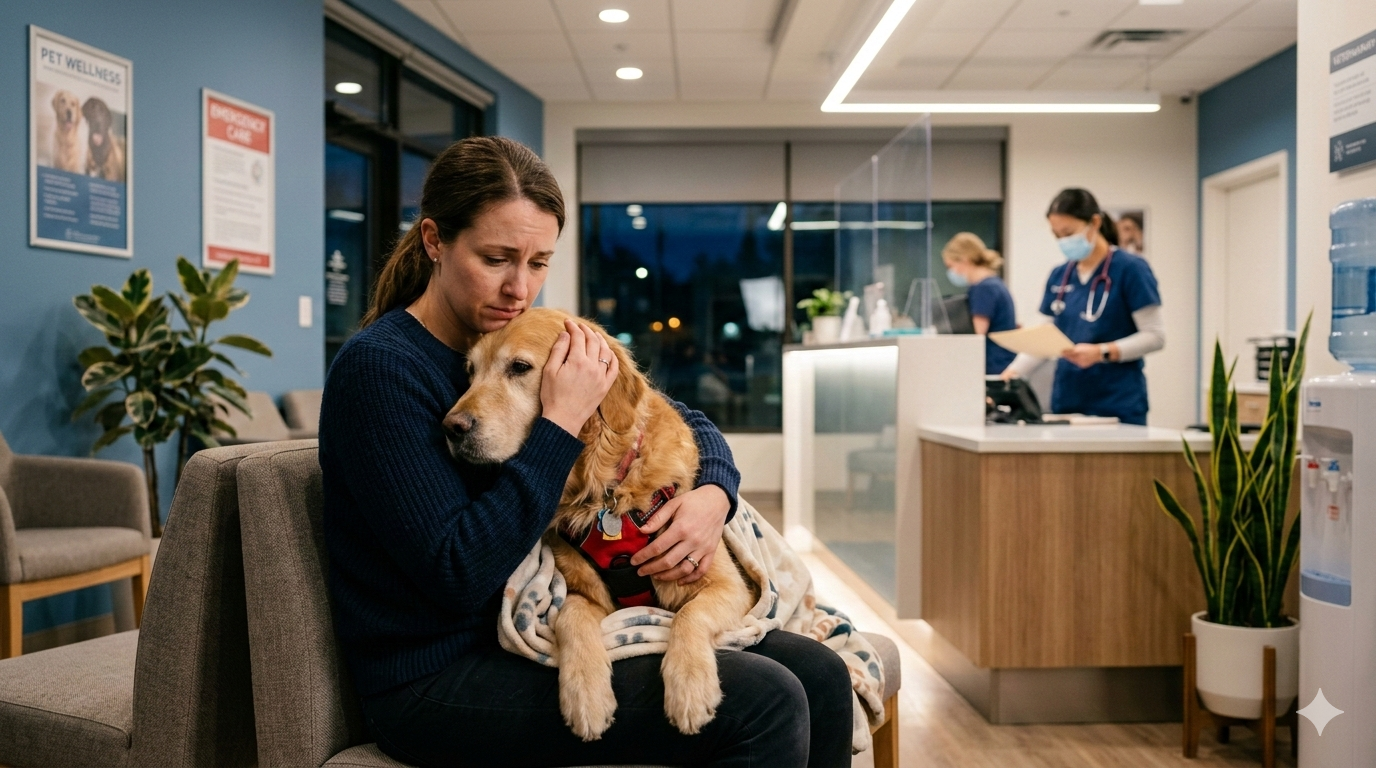
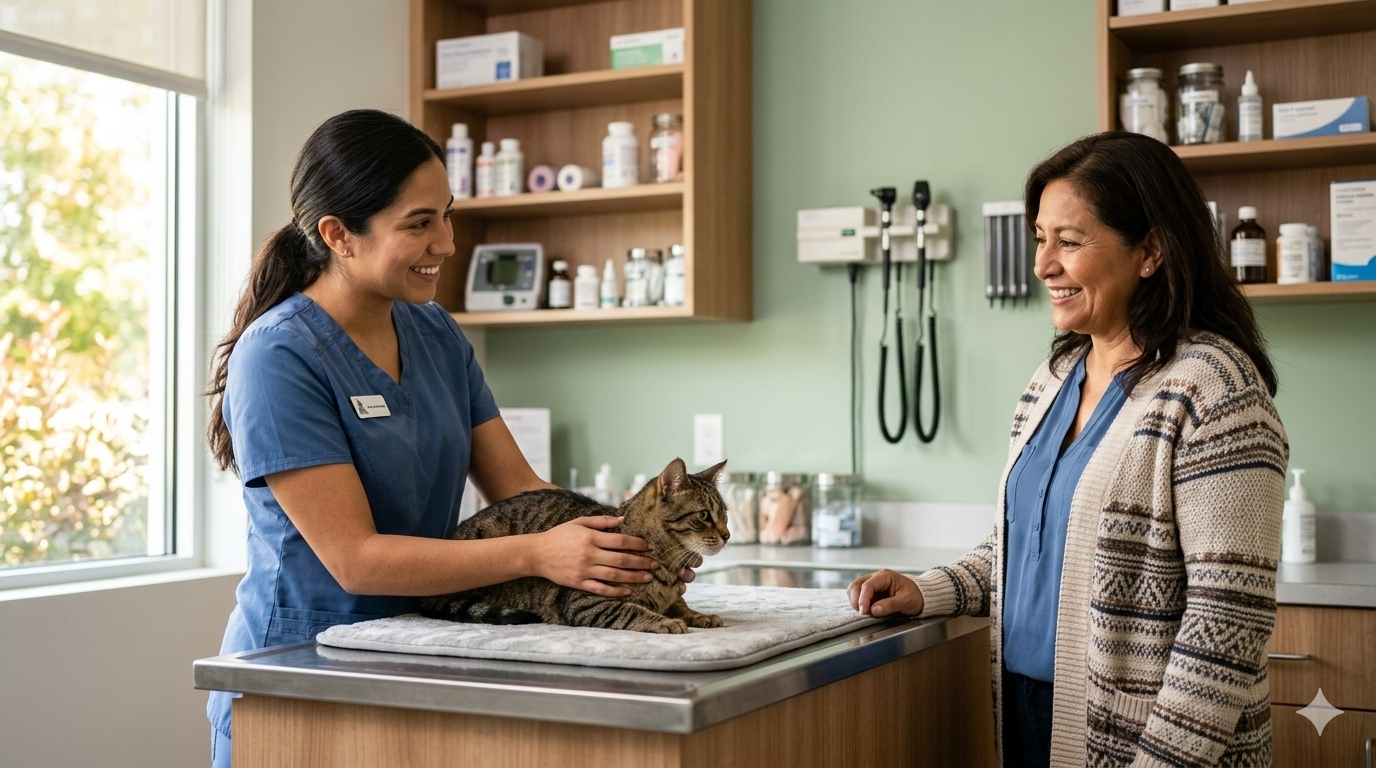
Maria had been putting off her dog’s annual exam for months. Not because she didn’t care—anyone who watched her rescue Luna from a Central Valley shelter three years ago knew better—but because the last time she searched for a cheap vet near her in Stockton, the results left her more confused than confident. Some clinics advertised rock-bottom exam fees but tacked on charges for every additional service. Others seemed affordable upfront but required long waits and offered limited care. Maria didn’t need the cheapest option on paper. She needed a veterinarian who could take care of Luna without making her feel like she had to choose between rent and her dog’s health.
If that sounds familiar, you’re not alone. For thousands of pet owners across Stockton and the greater San Joaquin Valley, the search for affordable veterinary care is one of the most stressful parts of pet ownership. The good news is that finding a low cost vet in Stockton doesn’t mean settling for less. It means understanding what you’re paying for, knowing which services deliver the most value over your pet’s lifetime, and partnering with a veterinary hospital that believes financial barriers should never stand between an animal and the care they need.
This guide breaks down what affordable vet care truly means in Stockton, which preventive services save you the most money in the long run, how to compare your options wisely, and where to find additional low-cost resources in the area. Whether you’re a first-time pet owner on a tight budget or a longtime animal lover looking for a more cost-effective approach, this post is for you.
What “Affordable Vet Care” Actually Means in Stockton
The word “affordable” gets thrown around a lot in veterinary marketing, and it rarely comes with a clear definition. For some pet owners searching for a low cost vet in Stockton, CA, affordable means the lowest possible exam fee. For others, it means transparent communication about what services are necessary versus optional, so they can make informed choices without feeling pressured. And for many families, it means having access to flexible payment methods that prevent a single visit from becoming a financial crisis.
At Pacific Veterinary Hospital, we think about affordability differently than most clinics. Rather than racing to the bottom on individual service fees—which often means cutting corners on diagnostics, equipment, or staff training—we focus on delivering genuinely valuable care that prevents expensive emergencies down the road. The most affordable veterinary visit isn’t always the cheapest one today. It’s the one that catches a developing heart murmur before it becomes congestive heart failure, identifies early kidney changes before they require hospitalization, or addresses a dental infection before bacteria spread to the liver and kidneys.
Transparency is the foundation of truly affordable care. When you bring your pet to our hospital, you’ll know what’s being recommended, why it’s being recommended, and what happens if you choose to postpone or decline a particular service. We walk through findings and treatment options in plain language—no jargon, no pressure. That approach is central to how we’ve built trust with Stockton families for over four decades.
Preventive Services That Save You the Most Money Over Time
When people search for cheap vets near them, they’re usually reacting to an immediate need—a sick pet, an overdue vaccination, a lump that appeared overnight. But the single best way to keep veterinary costs manageable is to invest in preventive care before problems escalate. Prevention is almost always less expensive than treatment, and the gap between the two widens dramatically as conditions progress. Here are the core services that consistently deliver the highest return on your investment.
Annual Wellness Exams
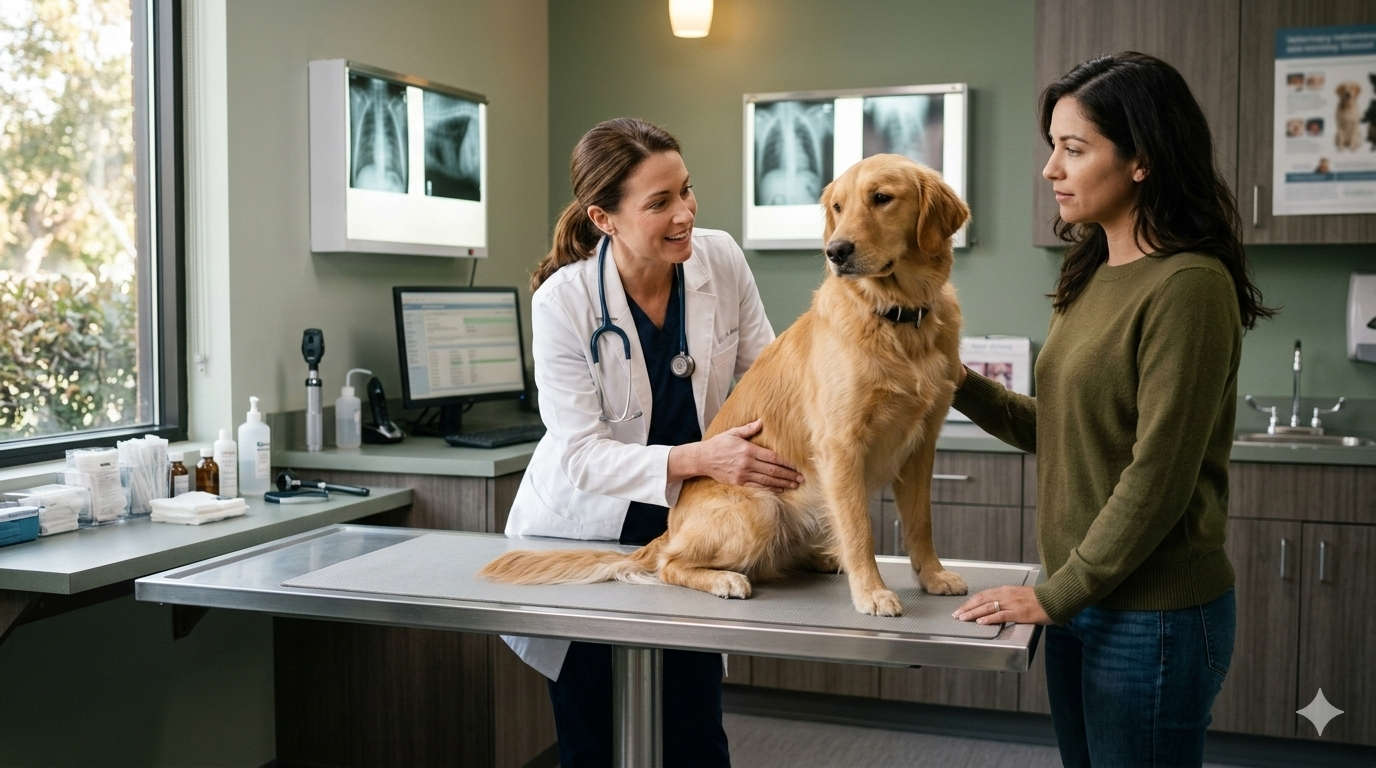
A comprehensive wellness checkup is the single most cost-effective veterinary service you can schedule. During these exams, your veterinarian evaluates your pet’s heart, lungs, abdomen, joints, eyes, ears, skin, and dental health. Blood panels and other diagnostics can catch organ dysfunction, thyroid imbalances, diabetes, and early-stage kidney disease—all of which are far cheaper to manage when identified early. A pet owner who skips annual exams to save money today often ends up spending significantly more when an undetected condition reaches an advanced stage and requires intensive care or hospitalization.
We’ve written extensively about why annual wellness exams are essential for dogs and cats, and the data consistently shows that pets who receive regular preventive care live longer, healthier lives with fewer emergency interventions. That’s not a sales pitch. It’s veterinary medicine’s version of an oil change preventing an engine failure.
Vaccinations and Parasite Prevention
Vaccines are among the most cost-effective tools in all of veterinary medicine. The diseases they prevent—parvovirus, distemper, rabies, feline leukemia—are serious, often fatal, and extraordinarily expensive to treat if contracted. A full round of core vaccinations represents a fraction of what a single hospitalization for parvovirus treatment would cost. Stockton’s warm climate also means year-round flea and tick pressure, and heartworm-carrying mosquitoes are active across the Central Valley. Parasite prevention is not a seasonal luxury here; it’s a year-round necessity that prevents conditions far more expensive to treat than to prevent.
Spay and Neuter Surgery
Beyond the obvious population-control benefits, spaying and neutering your pet has direct, measurable health advantages that translate to long-term savings. Spayed female dogs have a dramatically reduced risk of mammary tumors and zero risk of pyometra—a life-threatening uterine infection that almost always requires emergency surgery. Neutered male dogs face lower rates of certain cancers and are less likely to roam, which reduces the risk of being hit by a car or getting into fights. The surgery itself is a one-time investment that pays for itself many times over in prevented emergencies and avoided medical complications throughout your pet’s life.
Dental Care
Dental disease is one of the most common and most overlooked health problems in pets. By age three, the majority of dogs and cats show some degree of dental disease, and left untreated, it doesn’t just cause bad breath and tooth loss. Bacteria from infected gums can enter the bloodstream and damage the heart, kidneys, and liver over time. A professional dental cleaning addresses the problem before it reaches that stage. We’ve seen countless cases where an owner assumed their pet’s teeth were fine because the animal was still eating—only to discover significant infection during a routine exam. For a deeper look at the warning signs, read our guide on how to tell if your pet needs dental care.
Wellness Plans vs. Pay-Per-Visit: Which Approach Is Right for Your Budget?
One question we hear regularly from pet owners looking for an affordable vet near them is whether a wellness plan or a pay-per-visit model makes more financial sense. The honest answer is that it depends on your pet’s age, breed, health status, and your personal financial situation. Both approaches have legitimate advantages, and understanding the trade-offs helps you make the right choice.
Pay-per-visit works well for pet owners with healthy adult animals who only need an annual exam and standard vaccinations. You pay for exactly what you use, and if your pet stays healthy between visits, your out-of-pocket costs remain low. The downside is that unexpected expenses—a sudden illness, an injury, an abnormal lab result that requires follow-up—hit your budget all at once, which can be stressful if you haven’t set aside a pet emergency fund.
Wellness plans, where available, spread the cost of preventive care across monthly payments. They typically bundle annual exams, vaccinations, basic blood work, and sometimes dental cleanings into a predictable monthly amount. This model is particularly helpful for puppies, kittens, and senior pets who need more frequent veterinary attention. It also works well for families on fixed incomes who prefer budgeting in smaller, regular increments rather than absorbing a larger lump sum at each visit.
Regardless of which approach you choose, the key is to not skip preventive care entirely because of cost concerns. At Pacific Veterinary Hospital, we work with pet owners to prioritize the services that matter most for their animal’s specific needs and health profile. We’d rather help you build a realistic, phased care plan than watch a preventable condition turn into an emergency because you felt you couldn’t afford to come in.
What to Look for When Comparing Low-Cost Vet Clinics in Stockton
Not all low-cost veterinary options are created equal, and knowing what to evaluate before committing to a clinic can save you both money and heartache. When comparing affordable vet options near you in the Stockton area, there are several factors worth weighing carefully.
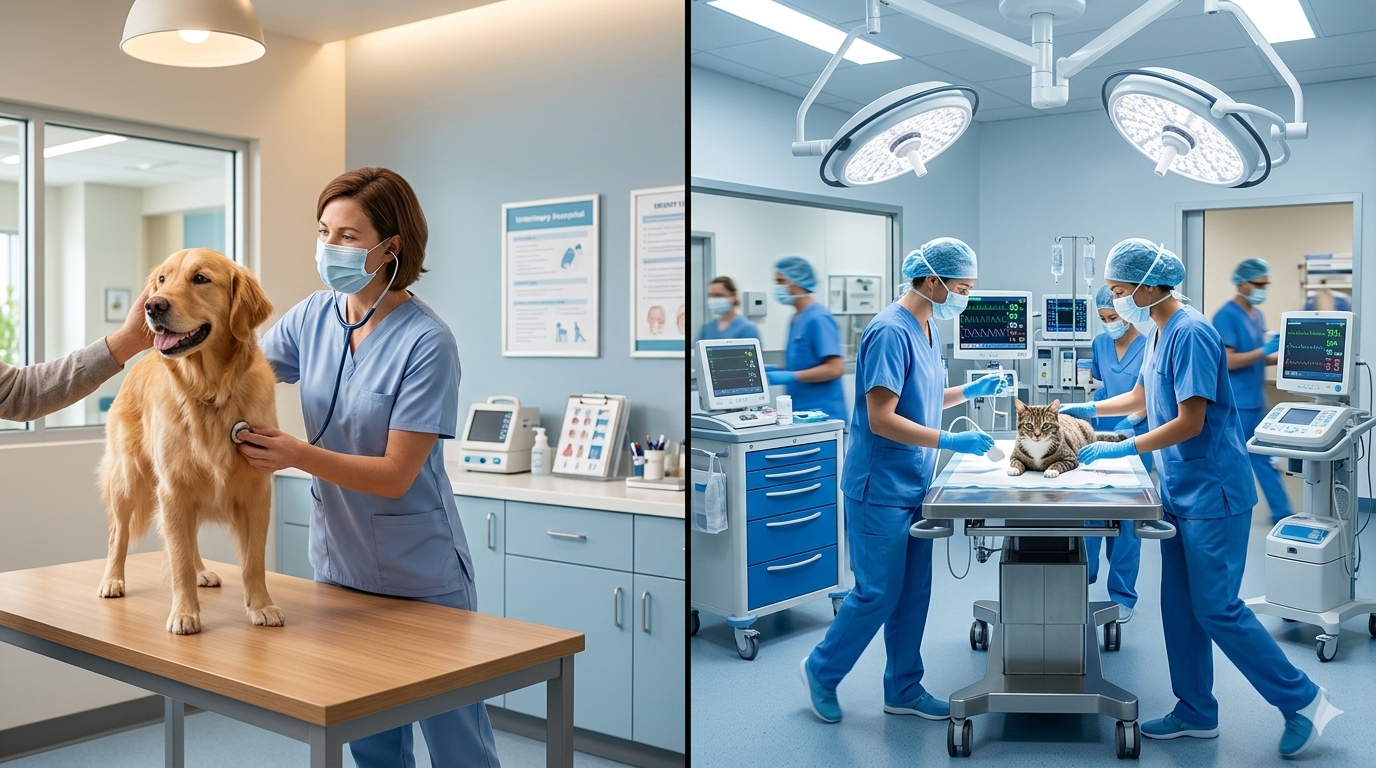
First, consider the scope of services available under one roof. A clinic that handles wellness exams, vaccinations, dental care, diagnostics, surgery, and urgent care in-house saves you the cost and inconvenience of referrals to outside facilities. Every referral adds a separate exam fee, travel time, and often a delay in treatment. Pacific Veterinary Hospital operates as a full-service veterinary hospital with in-house ultrasound, X-ray, bloodwork, and a complete surgical suite—meaning most conditions can be diagnosed and treated without sending you somewhere else.
Second, look at availability. A veterinary clinic that’s only open Monday through Friday during standard business hours creates a gap that many pet owners fill with expensive emergency hospitals. Pacific Veterinary Hospital is open seven days a week, including weekends, from 8:30 AM to 8 PM—covering the evening and weekend hours when most regular clinics are closed and emergency facilities charge premium rates for care that a well-equipped general practice can handle at standard fees.
Third, ask about payment flexibility. Veterinary care is easier to manage financially when you have options beyond cash-or-credit at the register. We accept major credit cards, debit, cash, CareCredit, and work with most pet insurance providers that offer reimbursement. Having multiple payment avenues means you can access the care your pet needs without delay, even when the timing isn’t ideal for your bank account.
Finally, consider the long-term relationship. Bouncing between the cheapest clinic available each time your pet needs something means no single veterinarian has a complete picture of your animal’s health history. When you build a relationship with one hospital—one that knows your pet’s history and temperament—your vet can make better, faster decisions during both routine visits and emergencies. That continuity of care is a form of value that doesn’t show up on a price sheet.
A Real Stockton Story: How Preventive Care Changed One Family’s Financial Outlook
Carlos and Elena adopted a five-year-old pit bull mix named Rocky from a local rescue. Rocky came with no medical records, no vaccination history, and a noticeable limp in his right hind leg. The couple’s initial concern was cost—they’d heard that taking a dog with unknown history to the vet could quickly become expensive, and they were already stretching their monthly budget.
They brought Rocky to Pacific Veterinary Hospital for a full wellness exam. The veterinarian identified that Rocky’s limp was from an old, healed fracture that didn’t require surgical intervention—just joint supplements and weight management. Bloodwork revealed early signs of kidney changes, something that would have been invisible for another year or two without testing. Because it was caught early, the veterinarian recommended a dietary adjustment and periodic monitoring rather than aggressive treatment.
Rocky also received his core vaccinations, a dental assessment that flagged a cracked premolar needing extraction during a future cleaning, and a parasite prevention plan tailored to Central Valley conditions. Carlos and Elena left that first visit with a clear roadmap of Rocky’s health needs, prioritized by urgency and spread across several months so the financial impact was manageable. Two years later, Rocky’s kidney values have stabilized with the dietary change, his dental issue was resolved during a scheduled cleaning, and the couple estimates they’ve avoided thousands in emergency costs simply because they didn’t wait for problems to become crises.
Low-Cost and Free Veterinary Resources in the Stockton Area
We believe every pet deserves access to care, and we also recognize that a full-service veterinary hospital isn’t the only piece of the puzzle for families facing genuine financial hardship. Stockton and San Joaquin County offer several programs that can supplement the care your pet receives at their regular vet clinic. If you’re searching for free vet clinics in Stockton, CA for low income families, or low income vet clinics near you, here are some avenues worth exploring.
The San Joaquin County Animal Services facility periodically offers reduced-cost spay and neuter clinics, particularly for residents in underserved zip codes. These programs are typically funded through county grants and operate on a first-come, first-served basis. Additionally, organizations like the ASPCA and the Petfund operate regional assistance programs that can help offset the cost of spay and neuter surgeries, vaccinations, and emergency medical care for qualifying pet owners.
Local rescue organizations and shelters in the Stockton area sometimes host community vaccination events where core vaccines like rabies and distemper are provided at significantly reduced rates. These events tend to happen quarterly and are usually posted on community boards, social media pages for Stockton-area animal rescues, and through the county’s animal services newsletter. While these clinics are excellent for basic vaccinations, they typically don’t provide comprehensive exams, diagnostics, or treatment for existing conditions—which is where having a relationship with a full-service veterinary hospital in Stockton becomes essential.
Pet insurance is another tool worth considering, particularly for younger animals. Many plans reimburse 80 to 90 percent of eligible veterinary costs after your deductible, and premiums are typically lowest when you enroll your pet while they’re young and healthy. Pacific Veterinary Hospital works with most pet insurance providers, making reimbursement straightforward for our clients.
Why Stockton Families Trust Pacific Veterinary Hospital for Affordable, Full-Service Care
Finding an affordable vet near you is about more than comparing exam fees on Google. It’s about finding a team that respects your budget without compromising your pet’s care. Since 1981, Pacific Veterinary Hospital has served generations of Stockton families with a philosophy that puts honest communication, preventive medicine, and accessibility at the center of everything we do.
Our seven-day-a-week availability means you don’t have to pay premium emergency rates for care that could be handled during extended weekday and weekend hours. Our in-house diagnostics—including bloodwork, X-ray, ultrasound, and cardiac workups—mean you get fast answers without the added cost of outside referrals. Our emergency and urgent care capabilities mean that if something unexpected happens during your pet’s visit, we can respond immediately rather than sending you to a more expensive facility. And our acceptance of CareCredit, pet insurance reimbursement, and multiple payment methods ensures that financial flexibility is built into the experience.
More than that, we believe in partnership. Our veterinarians take the time to understand your concerns, explain your options, and help you build a care plan that works for your pet’s medical needs and your family’s financial reality. That’s not something you’ll find on a price comparison website—but it’s the thing that makes the biggest difference when you’re trying to give your pet the best life possible without breaking the bank.
Frequently Asked Questions About Affordable Vet Care in Stockton
-
Is Pacific Veterinary Hospital a low cost vet clinic?
Pacific Veterinary Hospital focuses on delivering comprehensive, high-value care at fair and transparent rates. We may not be the cheapest exam fee you can find in Stockton, but the depth of our services—in-house diagnostics, same-day surgical capability, seven-day availability, and an experienced team with over 40 years in the community—means you receive more value per visit than you would at many bare-bones clinics. The cost of veterinary care is most manageable when it prevents larger problems, and that’s where our focus lies.
-
Do you accept walk-ins?
Yes. We accept walk-ins for urgent and emergency cases during all of our business hours (8:30 AM to 8 PM, seven days a week). For routine services like wellness exams, vaccinations, or dental consultations, we recommend scheduling an appointment through our online booking page or by calling (209) 474-2444 to ensure a shorter wait time.
-
What payment options are available?
We accept major credit cards, debit cards, cash, and CareCredit. We also work with most pet insurance companies that offer reimbursement. If cost is a concern for a specific procedure, let our team know. We can help you prioritize services and explore payment options that fit your budget.
-
Are there free spay and neuter programs in Stockton?
San Joaquin County Animal Services and several local rescue organizations periodically offer reduced-cost or subsidized spay and neuter clinics for qualifying residents. Availability varies, so we recommend checking with the county animal services office directly for current program details. Pacific Veterinary Hospital also performs spay and neuter surgeries with full pre-surgical exams, anesthesia monitoring, and post-operative care as part of our standard surgical services.
-
How can I keep my pet healthy without spending a fortune?
The most impactful and cost-effective strategy is staying current on preventive care: annual wellness exams, core vaccinations, parasite prevention, dental attention, and spay or neuter surgery. Maintaining a healthy weight through proper nutrition and regular exercise also reduces the risk of diabetes, joint disease, and heart problems. And when you do notice something unusual—a change in appetite, energy, bathroom habits, or behavior—don’t wait. Addressing concerns early almost always costs less than treating them once they’ve advanced.
-
What are your hours and location?
Pacific Veterinary Hospital is open daily from 8:30 AM to 8 PM, seven days a week, including weekends. We’re located at 6828 Pacific Avenue, Stockton, CA 95207. You can reach us by phone at (209) 474-2444 or through our contact page.
Your Pet Deserves Care That Fits Your Life
Searching for a low cost vet in Stockton is rarely just about finding the lowest number. It’s about finding a veterinary team that understands the real pressures of pet ownership—the unexpected illness on a Tuesday, the vaccination that’s overdue because last month was tight, the guilt of wondering whether you’re doing enough. At Pacific Veterinary Hospital, we’ve spent over 40 years building a practice that meets pet owners where they are, both medically and financially.
Whether Luna needs her overdue exam, Rocky needs his next round of bloodwork, or your brand-new kitten needs their first set of vaccinations, we’re here. Open daily, seven days a week, with a team that genuinely cares about your pet and respects the effort you put into their care. Call us at (209) 474-2444, visit us at 6828 Pacific Avenue, Stockton, CA 95207, or request an appointment online. Your pet’s health shouldn’t have to wait—and with us, it doesn’t.