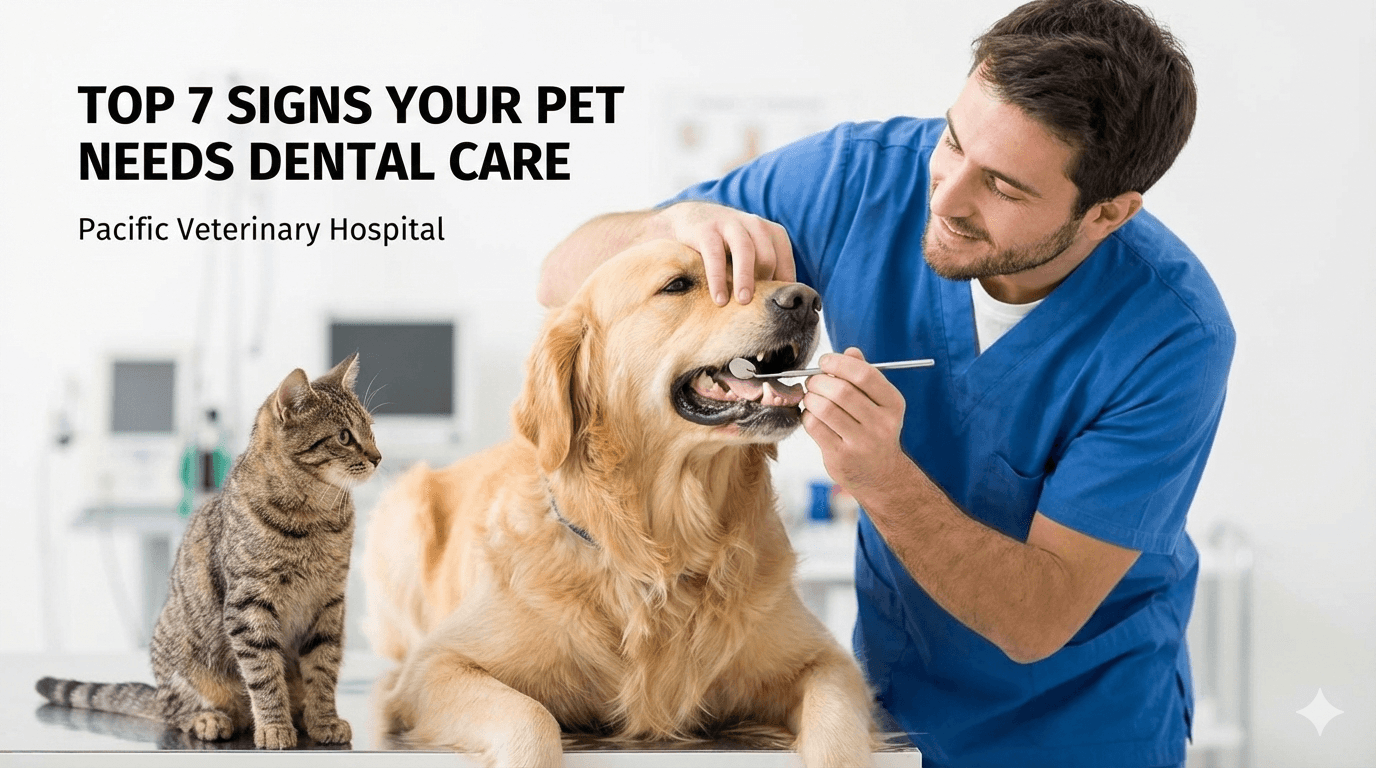
When was the last time you looked inside your pet’s mouth? If you’re like most pet owners, it’s probably been a while. We tend to focus on the parts of our pets we see most—their bright eyes, wagging tails, and soft fur. Yet hidden beneath those lips lies one of the most commonly neglected aspects of pet health: their teeth and gums.
Dental disease affects an overwhelming majority of dogs and cats by the time they reach just three years of age. Despite how common it is, many pet owners don’t recognize the warning signs until their pets are experiencing significant pain and damage. The tragedy is that dental problems are largely preventable with proper care and attention, and early intervention can spare your pet unnecessary suffering while saving you from costly treatments down the road.
Understanding the signs of dental disease empowers you to catch problems early when they’re easiest to treat. Your pet can’t tell you when their mouth hurts, but their behavior and physical symptoms speak volumes if you know what to look for. At Pacific Veterinary Hospital, we’ve treated countless cases of dental disease over our four decades in Stockton, and we’ve learned that educating pet owners about warning signs makes all the difference in outcomes.
Let’s explore the seven most important indicators that your dog or cat needs professional dental attention. Recognizing even one of these signs warrants scheduling a dental examination to assess the extent of the problem and develop an appropriate treatment plan.
1. Bad Breath That Goes Beyond Normal “Dog Breath”
Everyone jokes about dog breath, but truly foul-smelling breath is never normal and should never be ignored. While you shouldn’t expect your pet’s breath to smell minty fresh, it also shouldn’t make you recoil when they pant near your face.
Healthy mouths have a relatively neutral odor. When bacteria accumulate on teeth and below the gum line, they produce compounds that create distinctly unpleasant smells. The worse the infection, the more offensive the odor becomes. Some people describe advanced dental disease breath as smelling rotten, fishy, or like something died.
Bad breath—technically called halitosis—is often the first sign pet owners notice because it’s hard to miss during daily interactions. Your dog greets you enthusiastically, breathing in your face, and suddenly you’re hit with an overwhelming smell. Your cat might jump on your pillow at night, and their breath makes you turn away.
This isn’t something to accept as normal or mask with dental treats. Persistent bad breath indicates bacterial infection, which means there’s inflammation and damage occurring in your pet’s mouth. Those bacteria don’t stay confined to the oral cavity either. They enter the bloodstream through inflamed, bleeding gums and can affect the heart, liver, and kidneys over time.
If your pet’s breath has progressively worsened or suddenly become noticeably foul, schedule a dental examination. What you’re smelling is bacterial overgrowth that needs professional attention. No amount of dental chews or water additives will resolve an established infection—only proper cleaning and treatment will address the root cause.
2. Visible Tartar Buildup and Discolored Teeth
Lift your pet’s lip and take a good look at their teeth. Do you see brown, yellow, or gray deposits coating the surfaces? That’s tartar, also called calculus, and it’s one of the most obvious signs of dental disease.
Tartar forms when plaque—a sticky film of bacteria—hardens and mineralizes onto teeth. This process happens constantly in mouths that aren’t regularly cleaned. The deposits typically appear first along the gum line and on the back molars where saliva flow is highest and cleaning is most difficult.
While small amounts of tartar might seem harmless, it creates a rough surface where more bacteria can attach and multiply. The buildup progresses, eventually covering significant portions of teeth. Tartar itself irritates gums, causing inflammation and setting the stage for more serious disease.
The discoloration you see on the visible crown of the tooth is only part of the problem. The real damage often occurs beneath the gum line where you can’t see it. Tartar extends into the pockets between teeth and gums, harboring bacteria that destroy supporting bone and soft tissue. By the time visible tartar is extensive, there’s almost always more advanced disease hiding below the surface.
Some pet owners notice tartar and think they’ll monitor it to see if it gets worse. Unfortunately, tartar doesn’t spontaneously improve. It only accumulates and progresses. Once teeth have significant buildup, professional dental cleaning under anesthesia becomes necessary to properly remove it and assess the full extent of dental disease.
Certain breeds are more prone to rapid tartar formation. Small dogs, brachycephalic breeds, and cats all seem particularly susceptible. This doesn’t mean larger dogs are immune—they simply might develop visible buildup somewhat more slowly. Regardless of breed, tartar indicates the need for dental intervention.
3. Red, Swollen, or Bleeding Gums
Healthy gums should be pink and firm, forming a tight seal around each tooth. When you see redness, swelling, or bleeding, you’re witnessing gingivitis—inflammation of the gum tissue caused by bacterial infection.
Gingivitis represents the early, reversible stage of periodontal disease. At this point, the inflammation affects only the soft tissue. The bone supporting the teeth hasn’t yet been damaged. With prompt professional cleaning and improved home care, gingivitis can be reversed completely.
However, if left untreated, gingivitis progresses to periodontitis, where inflammation extends deeper and begins destroying the bone and connective tissue that hold teeth in place. This stage is irreversible. Lost bone doesn’t regenerate. Treatment at this point focuses on stopping further progression and managing what remains.
You might notice bleeding gums when your pet chews on toys or bones, leaving behind pink-tinged saliva. Some pets have visible blood around their mouth after eating. Gums might bleed during regular brushing if you’ve established that routine. This bleeding signals active inflammation and bacterial infection.
The gum line is where you’ll spot redness most easily. Healthy pink gums transition smoothly to white tooth enamel. Inflamed gums appear red or even purplish, and the border where gum meets tooth often looks particularly angry. Swollen gums might grow over the tooth edges, creating deep pockets where food and bacteria accumulate.
Don’t wait for bleeding to stop on its own. This isn’t like a cut that heals naturally. The infection causing the inflammation will continue until it’s professionally addressed. The bacteria must be removed from below the gum line, which can’t be accomplished at home.
4. Difficulty Eating or Changes in Eating Habits
Dental pain dramatically affects how and what pets eat, though they often hide their discomfort remarkably well. Evolution programmed dogs and cats not to show weakness, so many continue eating despite significant oral pain. However, careful observation usually reveals telltale changes in eating behavior.
You might notice your pet approaching their food bowl eagerly but then hesitating or eating more slowly than usual. They may chew on one side of their mouth, favoring the less painful side. Some pets start preferring wet food over kibble because it requires less chewing. Others drop food repeatedly or seem to have trouble keeping food in their mouth.
More dramatic changes include refusing to eat altogether, especially if trying to chew causes sharp pain. Weight loss often follows as pets consume less food due to oral discomfort. Some pets become food aggressive or irritable around mealtimes because the act of eating has become associated with pain.
Hard treats that were once favorites might get ignored or spit out. The pressure required to crunch through hard kibble or bones can be excruciating when teeth are loose, roots are exposed, or abscesses are present. You might find uneaten hard treats cached around the house—your pet took them because they wanted to, but couldn’t actually eat them.
Drooling often accompanies eating difficulties. Pets might have strands of saliva hanging from their mouth or notice wet spots where they’ve been lying. The drool might be blood-tinged if gums are particularly inflamed or diseased.
If your pet’s eating behavior has changed in any way, examine their mouth for visible problems and schedule a dental checkup. Dental pain causes real suffering, and pets shouldn’t have to endure it. Professional dental care can restore their comfort and return them to enjoying their meals.
5. Pawing at the Mouth or Face
When you have a toothache, you can take over-the-counter pain medication, apply ice, or schedule a dental appointment. Your pet can’t do any of these things. Instead, they might paw at their mouth or rub their face against furniture, carpets, or your legs trying to alleviate discomfort.
This behavior signals that something in the mouth is bothering them significantly. The pawing might be persistent or occur mainly after eating. Some pets rub one side of their face more than the other, indicating pain localized to that area. They might use their paws to try to dislodge food stuck in painful areas or attempt to scratch at sore gums.
Facial rubbing can become vigorous enough to cause hair loss or skin irritation on the affected side. The constant friction creates bald patches or redness on the face. Some pets hold their mouth partially open or position their head at odd angles trying to find relief.
Head shaking, similar to what pets do for ear infections, sometimes accompanies dental pain. The discomfort and odd sensations in the mouth trigger the shaking behavior. If you’ve ruled out ear problems but head shaking continues, consider the mouth as a potential source.
These behaviors indicate active pain. Your pet is trying to tell you something is seriously wrong. Don’t dismiss it or hope it resolves on its own. Schedule a dental examination to identify and treat the source of discomfort. Dental pain is one of the most common forms of chronic pain in pets, and it deserves the same attention we’d give any other painful condition.
6. Loose, Missing, or Broken Teeth
Advanced dental disease destroys the bone and tissue supporting teeth, eventually causing them to loosen. Some fall out on their own, while others remain partially attached but mobile. Either situation indicates severe periodontal disease that’s been progressing for a considerable time.
Finding a tooth that’s fallen out or discovering a gap where a tooth used to be is alarming, but it actually represents the end stage of a long disease process. The tooth loss itself might seem sudden, but the underlying bone loss occurred gradually over months or years.
Broken teeth are a different but equally serious problem. Dogs who chew on hard objects like ice, rocks, or real bones can fracture teeth. Cats occasionally break teeth during falls or fights. Fractured teeth often expose the sensitive pulp cavity where nerves and blood vessels reside, causing significant pain and risk of infection.
You might notice pieces of tooth around your home, blood in your pet’s water bowl, or visible gaps in the dental arcade. Some broken teeth remain partially in place with jagged edges that cut the tongue or cheeks. Dark spots on teeth might indicate dead tooth roots or areas where enamel has eroded away.
Never assume a missing or broken tooth is acceptable because the pet seems fine. The fact that teeth have deteriorated to this point signals extensive disease that affects more than just that single tooth. The entire mouth likely needs comprehensive evaluation and treatment.
Loose teeth need extraction—there’s no way to “save” them once the supporting bone is gone. Leaving them causes ongoing pain and infection. Broken teeth might sometimes be saved with root canal therapy, but often extraction is the most practical solution. After addressing the immediate problems, preventing further damage becomes the priority.
7. Behavioral Changes and Decreased Activity
Chronic dental pain changes pets’ personalities and behavior in subtle but meaningful ways. A dog who was once playful might become withdrawn and quiet. A friendly cat might become irritable and hide more. These changes often develop so gradually that owners don’t connect them to dental problems.
Pets living with oral pain often become less enthusiastic about activities they previously enjoyed. They might decline play sessions, seem less interested in toys, or withdraw from family interaction. The constant discomfort wears on them physically and emotionally. Everything requires energy they don’t have when battling chronic infection and pain.
Irritability and aggression sometimes surface when dental pain is severe. Pets might snap or bite when touched near the face or head. They may become less tolerant of children, other pets, or handling in general. This isn’t behavioral regression—it’s pain-induced defensive behavior. When every moment involves discomfort, patience wears thin.
Sleep patterns might change as pets struggle to find comfortable positions. Some sleep more due to the exhaustion that comes with chronic pain and infection. Others sleep restlessly or wake frequently. You might notice your pet sleeping with their head positioned to avoid pressure on the painful side of their mouth.
The beautiful thing about addressing dental disease is how dramatically pets improve afterward. Owners frequently report their pet seems like a puppy or kitten again after dental treatment. The energy returns, the playfulness resurfaces, and their personality brightens. They were suffering silently, and professional dental care gave them their life back.
If your pet seems “off” or their personality has changed in ways you can’t quite pinpoint, examine their mouth and consider whether dental pain might be contributing. The transformation following proper dental care can be remarkable and immediate.
Understanding Professional Dental Cleaning Benefits
Many pet owners wonder what makes professional dental cleaning so important compared to home care. The reality is that brushing your pet’s teeth at home is valuable and should absolutely be part of your routine, but it can’t replace professional treatment once disease is present.
The professional dental cleaning benefits extend far beyond what’s achievable at home. First, the procedure requires anesthesia, which sounds concerning but is actually essential for proper treatment. Without anesthesia, there’s no way to safely and thoroughly clean below the gum line where most disease occurs. Home brushing only addresses surfaces above the gums.
Under anesthesia, veterinarians can perform a complete oral examination, checking every tooth and the surrounding tissues. We can probe periodontal pockets to measure disease severity, take dental X-rays to see what’s happening beneath the gums, and identify problems like tooth root abscesses that aren’t visible externally.
The cleaning process itself involves specialized equipment that removes tartar and plaque above and below the gum line. Ultrasonic scalers break up calculus deposits, followed by hand scaling to reach areas the ultrasonic tools can’t access. Polishing smooths tooth surfaces, making it harder for plaque to reattach.
When disease has caused significant damage, extractions might be necessary. This sounds drastic, but removing diseased teeth eliminates pain and infection sources. Pets do remarkably well after extractions, often eating and behaving better than they have in years.
Following professional cleaning, the goal shifts to prevention. This is where home care becomes crucial. Daily brushing, dental diets or treats, and regular monitoring can dramatically slow disease progression. Many pets who receive professional cleaning followed by good home care go years before needing another full dental procedure.
Pet Dental Health Tips for Prevention
Prevention starts at home with practices that minimize plaque and tartar accumulation. The gold standard remains daily tooth brushing using pet-specific toothpaste. Human toothpaste contains ingredients harmful to pets, so never use it.
Start slowly if your pet isn’t accustomed to brushing. Begin by getting them comfortable with you handling their mouth, then progress to rubbing teeth with your finger, and eventually introduce the toothbrush. Use positive reinforcement and patience. Even a few teeth brushed regularly is better than nothing.
Dental diets formulated to reduce plaque have legitimate benefits for some pets. The kibble size and texture work mechanically to clean teeth as the pet chews. Dental treats with the Veterinary Oral Health Council seal of approval have proven effectiveness. However, these are supplements to, not replacements for, brushing.
Water additives that reduce bacteria in the mouth can provide additional support. Look for products with VOHC approval indicating they’ve been tested and proven effective. Simply adding them to drinking water provides passive dental benefit.
Avoid giving your pets hard objects that risk fracturing teeth. This includes ice, rocks, hard plastic toys, and real bones. The enamel on pet teeth is hard, but it’s not indestructible. Veterinary dentists see countless fractured teeth from well-meaning owners who thought they were providing good enrichment.
Regular wellness examinations should always include oral evaluation. Your veterinarian can catch early disease signs before they become major problems. We can recommend when professional cleaning is needed and provide guidance on home care techniques.
Recognizing When Dental Emergencies Need Immediate Attention
While most dental problems develop gradually, some situations require urgent care. If your pet experiences facial swelling, particularly below the eye, this could indicate a tooth root abscess requiring immediate treatment. The infection can spread and cause serious complications.
Profuse bleeding from the mouth after trauma, excessive drooling accompanied by distress, inability to close the mouth, or sudden inability to eat warrant prompt veterinary attention. These signs might indicate fractures, foreign objects lodged in the mouth, or severe infections.
Broken teeth with visible pulp exposure should be addressed quickly to prevent infection and manage pain. While not necessarily a middle-of-the-night emergency, they should be evaluated within a day or two rather than waiting weeks or months.
If you’re unsure whether your pet’s dental problem requires immediate attention, call us. We can help you determine whether the situation needs urgent care or can wait for a regular appointment.
Frequently Asked Questions About Pet Dental Care
-
How often should my pet have professional dental cleanings?
This varies based on individual factors including age, breed, diet, home care, and rate of disease progression. Some pets need annual cleanings, while others might go two or three years between procedures. Your veterinarian can provide guidance based on your pet’s specific situation during regular examinations.
-
Is anesthesia really necessary for dental cleanings?
Yes, anesthesia is essential for safe, effective dental treatment. The critical work happens below the gum line where disease progresses. No pet will voluntarily allow the necessary probing, scaling, and treatment in these sensitive areas. Anesthesia-free dentistry that only scrapes visible tooth surfaces provides cosmetic improvement but doesn’t address disease and may create a false sense of security.
-
My pet is older. Is it safe to perform dental cleaning under anesthesia?
Age itself isn’t a disease. Modern anesthetic protocols are remarkably safe, and we adjust them based on each pet’s health status. Pre-anesthetic bloodwork identifies potential concerns, and careful monitoring during the procedure ensures safety. The pain and health consequences of untreated dental disease often pose greater risks than the anesthesia itself.
-
How can I tell if my pet is in dental pain?
Pets hide pain well, but watch for changes in eating habits, behavior, energy level, or any of the seven signs discussed in this article. If you suspect pain, schedule an examination rather than waiting for obvious suffering. Most pets with advanced dental disease are experiencing chronic discomfort even when they seem normal.
-
What’s the difference between plaque and tartar?
Plaque is the soft, sticky film of bacteria that constantly forms on teeth. It can be removed with brushing. Tartar forms when plaque mineralizes and hardens onto tooth surfaces. Once tartar develops, brushing won’t remove it—professional cleaning becomes necessary.
-
Can I just give my pet dental treats instead of brushing?
Dental treats provide some benefit but aren’t replacements for brushing. Think of it like choosing between brushing your own teeth or just chewing gum. The mechanical action of brushing physically removes plaque in ways treats simply can’t match. Dental treats work best as supplements to a complete dental care routine.
-
What happens during a professional dental cleaning?
Your pet receives anesthesia and comprehensive oral examination including X-rays to assess tooth roots and bone. We remove tartar above and below the gum line using ultrasonic and hand instruments. Teeth are polished, and any necessary extractions or treatments are performed. Throughout the procedure, vital signs are closely monitored. Your pet receives appropriate pain medication and usually goes home the same day.
Taking Action for Your Pet’s Dental Health
Recognizing the signs of dental disease is the first step. Taking action is what actually protects your pet’s health and comfort. If your dog or cat is showing any of the seven signs discussed here, don’t wait for the problem to worsen. Dental disease is progressive—it only gets worse over time, never better.
At Pacific Veterinary Hospital, we’ve been providing comprehensive pet dental care in Stockton for over forty years. Our experienced veterinarians understand how significantly dental disease impacts overall health and quality of life. We’re equipped to provide thorough dental examinations, professional cleanings, extractions when necessary, and guidance on home care.
If you’re searching for a top-rated vet near you, we’re conveniently located at 6828 Pacific Avenue in Stockton, CA 95207. We’re open every day from 8:30 AM to 8 PM, making it easier to schedule dental examinations and treatments around your schedule.
Call us at (209) 474-2444 to schedule a dental checkup for your pet. Whether you’ve noticed specific warning signs or simply want to ensure your pet’s mouth is healthy, we’re here to help. Early intervention prevents pain, saves teeth, protects overall health, and costs far less than treating advanced disease.
Your pet depends on you to recognize when they need help and to make healthcare decisions on their behalf. Dental disease causes real suffering, but it’s also highly treatable when addressed promptly. Don’t let your beloved companion live with chronic oral pain that could be resolved. Schedule their dental evaluation today and give them the gift of a healthy, comfortable mouth. The difference professional dental care makes in pets’ lives is profound and immediate. They’ll thank you with better breath, improved appetite, and renewed energy.