You wouldn’t skip your own annual physical, right? Yet many pet owners don’t realize that wellness exams are just as critical for their dogs and cats—perhaps even more so. While you can tell your doctor when something hurts or feels off, your pets can’t communicate their discomfort in words. They rely on you to notice changes and on veterinarians to detect problems that aren’t visible to the untrained eye.
Annual wellness exams serve as the foundation of preventive healthcare for pets. These routine checkups catch diseases in their earliest stages, prevent serious health problems before they develop, and ultimately extend the quality and length of your pet’s life. Yet despite their importance, wellness visits are often postponed or skipped entirely when pets seem healthy. This approach misses the entire point of preventive care—identifying issues before symptoms appear.
At Pacific Veterinary Hospital, we’ve spent over four decades caring for Stockton’s pets, and we’ve seen firsthand how regular wellness exams make the difference between catching treatable conditions early and facing advanced disease. The pets who receive consistent preventive care simply live longer, healthier lives. Understanding why these examinations matter so much can help you make informed decisions about your pet’s healthcare.
What Actually Happens During a Wellness Exam
Many pet owners think of wellness exams as quick checkups where the veterinarian gives the pet a once-over and maybe updates a vaccine or two. In reality, comprehensive wellness exams involve thorough, systematic evaluation of every body system.
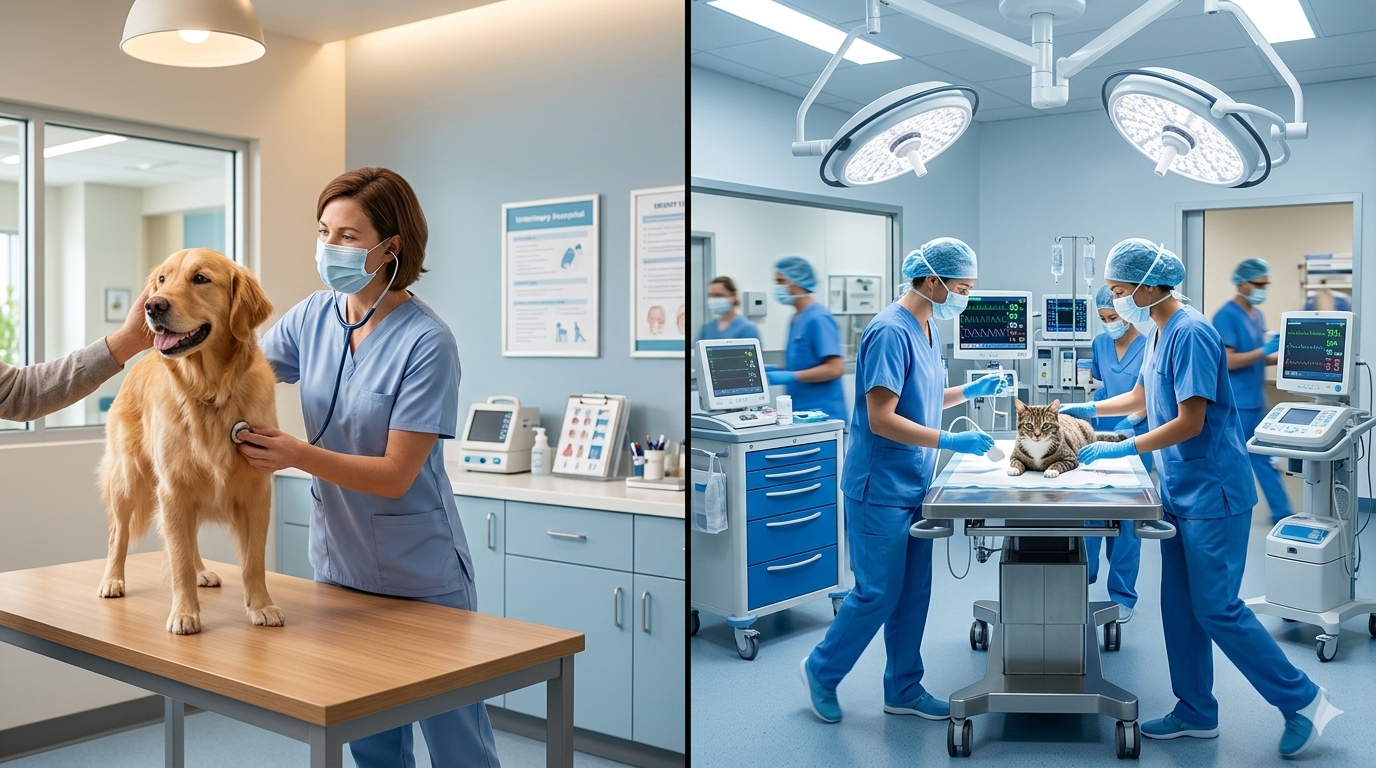
The examination begins the moment we see your pet. We observe how they move as they walk into the exam room. Are they limping? Stiff? Moving with their usual energy? These observations provide valuable information before we even touch the animal.
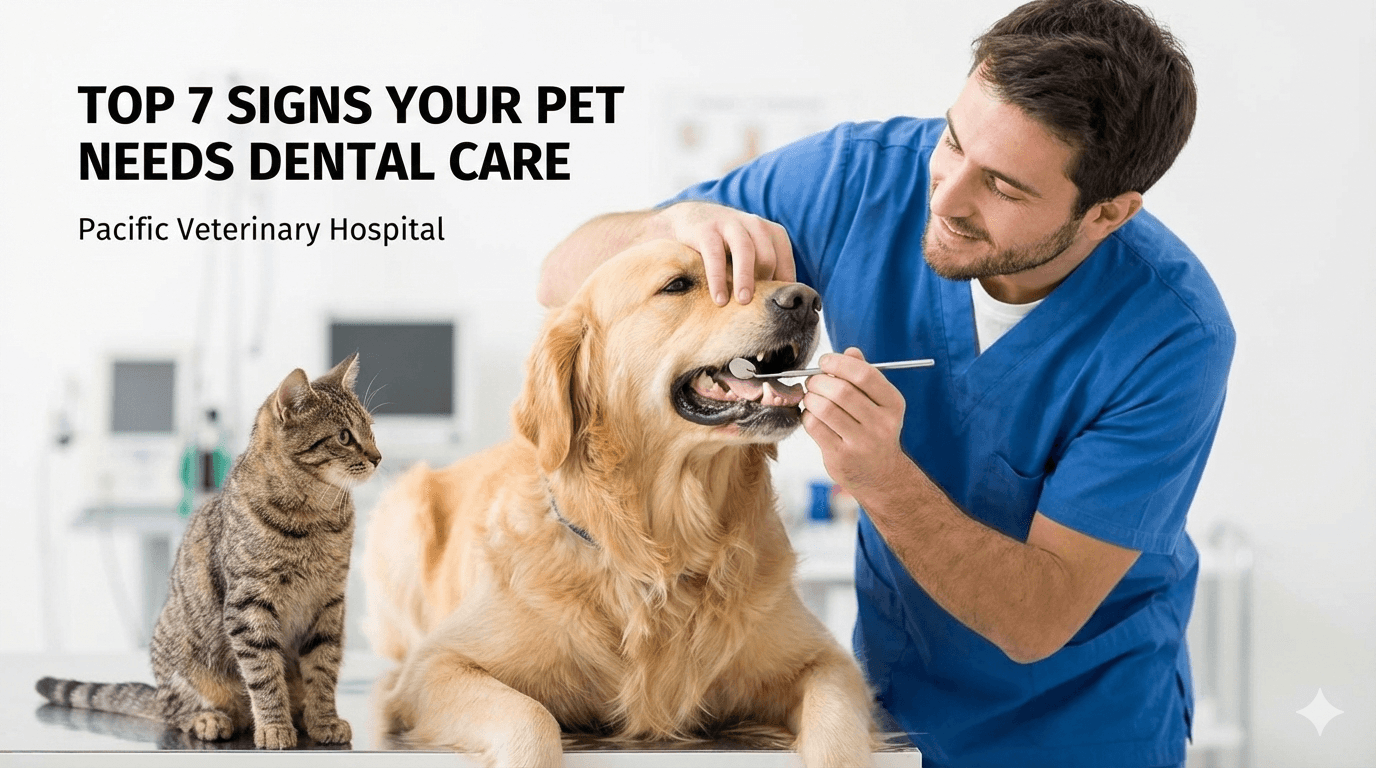
During the physical examination itself, veterinarians assess dozens of specific parameters. We check the eyes for cloudiness, redness, discharge, or abnormal pupil responses. We examine the ears for infection, debris, or inflammation. The mouth gets careful attention—we look at teeth and gums for tartar buildup, gingivitis, broken teeth, and masses. Dental disease affects the majority of adult pets and can lead to serious systemic problems if left untreated.
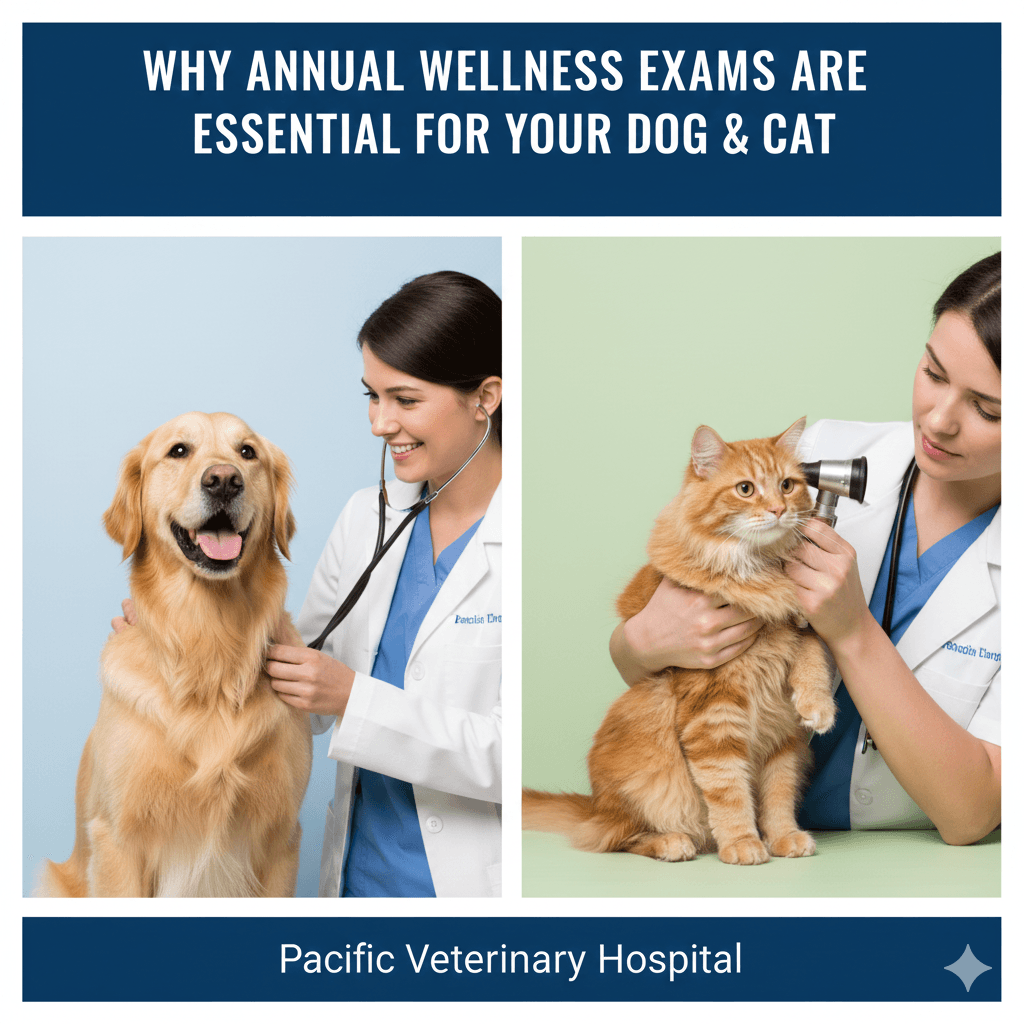
The cardiovascular examination involves listening to the heart with a stethoscope, checking for murmurs, irregular rhythms, or abnormal sounds. We palpate pulses and assess capillary refill time. Heart disease can develop silently in pets, making these checks essential. We listen to the lungs for any signs of fluid, infection, or other respiratory problems.
Abdominal palpation allows us to feel the size and shape of organs like the liver, kidneys, spleen, and bladder. We check for masses, pain, or abnormal fluid accumulation. Many internal problems can be detected through careful palpation before they cause obvious symptoms.
We examine the skin and coat throughout the body, looking for lumps, bumps, rashes, parasites, or areas of hair loss. The condition of the coat often reflects overall health—dull, dry fur can indicate nutritional deficiencies or underlying disease. We check joints for swelling, pain, or reduced range of motion that might indicate arthritis.
The lymph nodes get palpated to check for enlargement that could signal infection or other problems. We assess body condition to determine if your pet is at a healthy weight or needs nutritional adjustments. Obesity affects a significant percentage of pets and contributes to numerous health problems including diabetes, arthritis, and heart disease.
This comprehensive approach catches subtle changes that owners might not notice at home. Your veterinarian has examined thousands of pets and knows what normal looks like for different breeds, ages, and body types. They recognize when something is slightly off, even if it seems minor.
The Critical Role of Early Disease Detection
Early disease detection represents perhaps the single most important benefit of regular wellness exams. Many serious conditions develop gradually, without obvious symptoms in the early stages. By the time pets show clear signs of illness, diseases may have progressed significantly.
Consider chronic kidney disease, which affects many older cats and a substantial number of dogs. Kidneys have remarkable reserve capacity—pets can lose up to 75% of kidney function before showing symptoms like increased thirst and urination. By the time these signs appear, significant irreversible damage has occurred. However, blood work performed during routine wellness exams can detect kidney disease much earlier, when interventions can slow progression and maintain quality of life for years.
Diabetes works similarly. Early stages might show no symptoms at all, or only subtle changes in thirst and appetite that owners attribute to weather or diet changes. A simple blood glucose test during a wellness visit identifies the problem before complications develop. Early intervention with diet changes and medication prevents the serious consequences of uncontrolled diabetes.
Heart disease often develops silently in pets. Many dogs with dilated cardiomyopathy or valve disease show no symptoms until they’re in heart failure. But during wellness exams, veterinarians can detect heart murmurs or irregular rhythms that warrant further investigation. Catching heart disease early allows us to start medications that improve heart function, slow disease progression, and prevent crises.
Cancer detection is another crucial aspect. Veterinarians examine every inch of your pet’s body during wellness visits, finding lumps and masses that owners haven’t noticed. Not all lumps are cancerous, but those that are have much better treatment outcomes when caught early. A small tumor that’s easily removed has a very different prognosis than the same tumor after it’s grown large or metastasized.
Thyroid disease is extremely common in older cats and can also affect dogs. Hyperthyroidism causes weight loss, increased appetite, hyperactivity, and ultimately heart and kidney problems if untreated. Blood work during wellness exams identifies thyroid abnormalities before serious complications occur. Treatment is straightforward and highly effective when started early.
Dental disease exemplifies the hidden progression of common conditions. Tartar buildup and gum inflammation start mildly but advance to painful infections, tooth loss, and bacteria spreading through the bloodstream to affect the heart, liver, and kidneys. Regular oral examinations catch dental problems when they’re still manageable with cleaning and preventive care.
The pattern repeats across virtually every disease category. Early detection through wellness exams means more treatment options, better outcomes, and lower costs. Advanced disease is always more expensive and difficult to treat than early disease.
Preventive Care: Vaccinations and Protection
Vaccinations form a cornerstone of preventive pet healthcare, and wellness exams provide the perfect opportunity to keep your pet’s immunity current. However, vaccine protocols have evolved significantly over the past few decades. Modern veterinary medicine takes a more individualized approach rather than simply giving every pet every vaccine annually.
Core vaccines protect against serious diseases that pose significant risk to most pets. For dogs, these include distemper, parvovirus, adenovirus, and rabies. Distemper and parvo can be deadly, particularly in puppies, but remain threats throughout a dog’s life. Rabies vaccination is legally required and protects both pets and humans from this fatal disease.
For cats, core vaccines include feline herpesvirus, calicivirus, panleukopenia, and rabies. These viruses cause serious respiratory disease, severe gastrointestinal illness, and in the case of rabies, death. Core vaccines are recommended for essentially all cats regardless of lifestyle.
Non-core vaccines are recommended based on individual risk factors. Does your dog go to doggy daycare, boarding facilities, or groomers? They should receive the Bordetella vaccine that protects against kennel cough. Do they spend time in wooded areas where ticks are common? Lyme disease vaccination makes sense. Do they swim in lakes or ponds? Leptospirosis vaccination protects against this serious bacterial infection.
For cats, the lifestyle assessment focuses primarily on whether they go outdoors or live exclusively indoors. Outdoor cats face higher risk of feline leukemia virus exposure and may benefit from vaccination against FeLV. Indoor-only cats typically don’t need this vaccine after their initial kitten series.
During pet wellness exams in Stockton, veterinarians assess each patient’s specific situation and make tailored recommendations. This personalized approach ensures your pet receives necessary protection without over-vaccinating. We follow current guidelines on vaccine intervals, which for many adult pets means certain vaccines can be given every three years rather than annually.
The vaccination appointment also provides an opportunity to discuss titer testing, which measures antibody levels in the blood to determine if booster vaccines are actually needed. This option appeals to owners who want to minimize vaccine frequency while maintaining protection.
Beyond injections, wellness visits allow us to discuss other preventive measures like parasite control, nutrition, and behavioral health. This comprehensive approach to prevention keeps pets healthier throughout their lives.
Parasite Prevention: More Important Than You Might Think
Parasite prevention deserves special attention during wellness exams because these tiny organisms cause significant health problems for pets and can sometimes affect human family members too, particularly children.
Heartworms pose a serious threat to dogs and increasingly to cats as well. These foot-long worms live in the heart and pulmonary arteries, causing heart failure, lung disease, and death if left untreated. Mosquitoes transmit heartworms, which means even indoor pets face some risk in areas where mosquitoes are present. Treatment for heartworm disease is expensive, risky, and difficult. Prevention is simple, safe, and effective.
During wellness exams, we perform heartworm testing in dogs to ensure they remain negative before prescribing preventive medication. This annual test is essential because preventive medications don’t kill adult worms—they only prevent new infections. Giving heartworm preventive to a dog that’s already positive can cause serious complications.
Intestinal parasites like roundworms, hookworms, whipworms, and tapeworms affect both dogs and cats. Many puppies and kittens are born with roundworms or hookworms acquired from their mothers. Adult pets pick up parasites from contaminated soil, infected prey, or fleas. Some of these parasites can infect humans, making deworming a public health concern in addition to a pet health issue.
Fecal testing during wellness visits identifies intestinal parasites so we can treat them appropriately. Different parasites require different medications, and proper diagnosis ensures effective treatment.
Fleas cause more than just itching. They transmit tapeworms, can cause severe allergic reactions, and in heavy infestations can actually cause anemia through blood loss, especially in small or young animals. Fleas reproduce rapidly—one female flea can lay thousands of eggs over her lifetime. By the time you see fleas on your pet, you already have a significant environmental infestation.
Ticks transmit numerous serious diseases including Lyme disease, ehrlichiosis, anaplasmosis, and Rocky Mountain spotted fever. These illnesses can cause joint pain, fever, lethargy, kidney damage, and neurological problems. Some tick-borne diseases also affect humans, making tick prevention important for the whole family.
Modern parasite prevention has become remarkably convenient. Many products now protect against multiple parasites in a single monthly dose—heartworms, intestinal parasites, fleas, and ticks all covered. During wellness exams, we discuss which products make the most sense for your specific situation based on your pet’s lifestyle and your local parasite risks.
Year-round prevention is increasingly recommended even in areas with seasonal mosquito and flea activity. Parasites have proven surprisingly adaptive, and mild winters can allow survival that wouldn’t have been possible decades ago. Consistent prevention is simpler than trying to time seasonal starts and stops, and it provides continuous protection.
Life Stage Considerations: From Puppy to Senior
Your pet’s age significantly influences what happens during wellness exams and how frequently they should occur. Life stage considerations guide our recommendations for preventive care and screening.
Puppies and kittens need frequent visits during their first year of life. They require a series of vaccinations to build immunity, with boosters given every three to four weeks until they’re about sixteen weeks old. These visits also allow us to monitor growth and development, discuss training and behavior, provide nutritional guidance, and answer the countless questions new pet owners inevitably have.
The puppy and kitten phase presents unique challenges. These youngsters are susceptible to infectious diseases before they complete their vaccine series. They’re developing behaviorally and socially, making early guidance crucial for preventing future problems. They’re growing rapidly, and we need to ensure proper development. These frequent early visits establish the foundation for a lifetime of good health.
Adult pets in their prime years typically do well with annual wellness exams. These are generally the healthiest years, but that doesn’t mean we skip preventive care. We continue monitoring for emerging problems, keep vaccinations current, maintain parasite prevention, and watch for subtle changes in physical condition. Bloodwork every one to two years helps establish baseline values for individual pets, making it easier to spot abnormalities later.
Senior pets require more frequent attention. Dogs are generally considered senior around age seven to eight, though large breeds age faster than small breeds. Cats reach senior status around age seven to ten. We recommend twice-yearly wellness exams for senior pets because they age more rapidly than humans—six months in a senior pet’s life is equivalent to several years in human terms.
Senior wellness exams include more extensive screening. We recommend regular bloodwork to monitor organ function, since kidney disease, liver problems, and endocrine disorders become more common with age. Urinalysis provides additional information about kidney function and helps detect bladder infections or other urinary problems that older pets develop frequently.
Blood pressure measurement becomes important in senior pets, particularly cats. Hypertension is common in older cats and can cause serious problems including retinal detachment and blindness if unrecognized. Dogs can develop high blood pressure too, especially those with kidney disease or endocrine disorders.
We pay extra attention to mobility during senior exams. Arthritis affects a large percentage of older dogs and many cats, though cats often hide their pain remarkably well. Changes in activity level, difficulty jumping, stiffness after rest, or reluctance to use stairs signal joint problems. Modern pain management has improved dramatically, and we have many options for keeping senior pets comfortable.
Cognitive decline occurs in some older pets, similar to dementia in humans. Changes in sleep-wake cycles, confusion, house soiling, or altered interaction with family members warrant discussion. While we can’t reverse cognitive decline, certain medications and supplements can slow progression and improve quality of life.
Cancer risk increases with age, making thorough physical examination even more critical in senior pets. We examine carefully for lumps, bumps, and masses that might require biopsy or removal.
Weight management deserves special attention in senior pets. Some lose weight due to dental pain, decreased appetite, or underlying disease. Others gain weight as activity levels decline. Both extremes create problems, and we work with owners to maintain optimal body condition throughout the aging process.
The Economics of Prevention Versus Treatment
One common reason pet owners skip wellness exams is cost concern. When a pet seems healthy, spending money on a veterinary visit might feel unnecessary. However, the economics actually favor preventive care strongly when you examine the numbers over your pet’s lifetime.
Consider dental disease. A routine dental cleaning caught early might involve basic scaling and polishing. Wait until advanced periodontitis develops, and treatment requires multiple extractions, possibly antibiotics, and more extensive aftercare. The difference in cost can be several hundred dollars—not to mention the difference in your pet’s comfort and the risk of bacteria from infected gums affecting other organs.
Heartworm prevention costs roughly the same as a few coffee drinks per month. Heartworm treatment costs hundreds to thousands of dollars, requires months of restricted activity, carries risk of complications, and may not completely reverse damage to the heart and lungs. Prevention is clearly the economical choice.
Early detection of kidney disease allows for dietary management and supportive care that can maintain quality of life for years. Advanced kidney disease requires intensive treatment, possibly including hospitalization, IV fluids, and management of serious complications. The cost difference is enormous, as is the difference in prognosis.
Cancer caught as a small, easily removable mass has excellent outcomes and moderate cost. The same cancer allowed to grow large or metastasize might require extensive surgery, chemotherapy, radiation, or might be untreatable. Treatment costs escalate dramatically, and chances of success plummet.
Diabetes diagnosed early through routine bloodwork can often be managed with diet alone initially, or with minimal medication. Uncontrolled diabetes leads to complications like cataracts, urinary infections, ketoacidosis, and neuropathy—all expensive to treat and damaging to your pet’s quality of life.
These examples repeat across virtually every disease category. Prevention and early detection are always less expensive than treating advanced disease. But beyond pure economics, there’s the invaluable factor of your pet’s suffering. Catching problems early means less pain, less stress, and more good years together.
What Pet Owners Often Miss That Veterinarians Don’t
Living with your pets daily makes it surprisingly easy to miss gradual changes. You might not notice that your cat is drinking slightly more water than usual, or that your dog takes a bit longer to get up from lying down. These subtle shifts happen slowly enough that they normalize in your perception.
Veterinarians see your pet at intervals—typically a year apart for annual exams. This spacing allows us to notice changes that occur gradually. Weight loss or gain that happens so slowly you don’t perceive it becomes obvious to us comparing this year to last year. A slight decrease in muscle mass, a new heart murmur, early dental disease, or small lumps that have appeared become apparent.
We also have the advantage of examining thousands of pets. We know what’s normal for specific breeds, ages, and body types. We recognize when something falls outside normal parameters, even if it’s subtle. That slightly enlarged thyroid gland in a thirteen-year-old cat triggers our awareness because we know hyperthyroidism is common in older cats. The mild heart murmur in a middle-aged dog gets noted because we know certain breeds are prone to valve disease.
Our examination is systematic and thorough in ways that owners’ observations at home typically aren’t. You might pet your dog daily, but do you palpate their abdomen checking organ size? Do you check their lymph nodes? Open their mouth and examine every tooth? Look at their ear canals with an otoscope? These specialized examination techniques find problems you’d have no way of detecting.
Temperature, heart rate, and respiratory rate get measured objectively during exams. These vital signs provide important information about your pet’s health status. Elevated resting heart rate might indicate pain, anxiety, hyperthyroidism, or heart disease. Low temperature could signal shock or hypothyroidism.
The comparison over time matters tremendously. We document findings in medical records, allowing us to track trends. That liver enzyme that was borderline high last year and is higher this year tells us something different than the same value appearing for the first time. The two-pound weight gain that seems minor becomes more concerning when we see your pet has gained two pounds per year for the past three years.
Building a Relationship With Your Veterinary Team
Regular wellness exams do more than just check your pet’s health—they build a relationship between you, your pet, and the veterinary team. This relationship has real benefits when urgent situations arise.
Your veterinarian who has examined your pet annually knows their personality, their normal demeanor, and their typical physical findings. When you bring them in sick, we can immediately recognize changes from baseline. We know your dog is usually energetic and outgoing, so their lethargy signals something is truly wrong. We know your cat typically tolerates examination well, so their aggressive behavior today indicates pain.
Having established baseline values for bloodwork, blood pressure, and other parameters helps us interpret changes. New findings get compared against historical data for your specific pet rather than just comparing to general reference ranges.
The relationship also means we understand your priorities, concerns, and constraints. We’ve talked about your pet’s diet, lifestyle, and health goals during wellness visits. When medical decisions need to be made, we can make recommendations aligned with what matters to you and what’s realistic for your situation.
Your comfort level with the veterinary team matters too. Wellness visits when nothing is urgent allow you to ask questions, discuss concerns, and get to know your veterinarian in a low-stress setting. This familiarity makes crisis situations less overwhelming—you’re working with people you already know and trust rather than strangers.
For pets, repeated positive experiences during wellness visits help them feel more comfortable with veterinary care. We associate the veterinary hospital with treats, gentle handling, and going home feeling fine. This positive conditioning reduces stress during future visits, making examinations easier and less traumatic.
Common Questions About Pet Wellness Exams
-
My pet seems perfectly healthy. Do they really need an annual exam?
This is exactly when wellness exams are most valuable. Appearing healthy doesn’t mean everything is fine internally. Many serious diseases develop without obvious symptoms in early stages. Annual exams catch these problems when they’re most treatable. Additionally, establishing baseline health data while your pet is well helps us recognize abnormalities if they develop later.
-
What should I expect at my pet’s first visit to Pacific Pet Hospital?
We’ll take a complete medical history, perform a thorough physical examination, discuss appropriate vaccinations and parasite prevention, and answer all your questions. Bring any previous medical records you have. We’ll create a customized healthcare plan for your pet based on their age, breed, lifestyle, and specific needs.
-
How often should senior pets have wellness exams?
We recommend twice-yearly exams for senior pets—generally those over age seven for dogs and cats. Older pets age faster and develop age-related problems more quickly. More frequent monitoring catches issues earlier and allows us to maintain quality of life throughout the senior years.
-
What happens if the wellness exam finds a problem?
We’ll discuss any findings with you, explain what they mean, and recommend appropriate next steps. This might involve additional testing, starting medication, dietary changes, or referral to a specialist. You’re always involved in decisions about your pet’s care, and we work within your constraints while prioritizing your pet’s health.
-
Can’t I just do wellness exams every few years instead of annually?
While any wellness care is better than none, annual exams are recommended because pets age faster than humans. One year in a pet’s life is roughly equivalent to five to seven human years. A lot can change in that timeframe. Disease progresses faster in pets, making earlier detection crucial.
-
Do indoor-only cats need wellness exams?
Absolutely. While indoor cats face lower risk of certain infections and injuries, they still develop dental disease, kidney problems, thyroid disorders, diabetes, cancer, and other conditions that wellness exams detect. Indoor cats actually live longer on average, which means they’re more likely to develop age-related diseases that benefit from monitoring.
-
What’s included in wellness bloodwork?
Typical wellness panels check liver enzymes, kidney function, blood sugar, protein levels, electrolytes, and blood cell counts. For senior pets or those with risk factors, we might add thyroid testing, urinalysis, or other specialized tests. Bloodwork catches diseases like kidney failure, liver problems, diabetes, anemia, and infections before symptoms appear.
Taking the Next Step: Scheduling Your Pet’s Wellness Exam
Understanding why wellness exams matter is the first step. Actually scheduling and attending these appointments is what protects your pet’s health. If your dog or cat hasn’t had a wellness exam in the past year, now is the perfect time to schedule one.
At Pacific Veterinary Hospital, we make preventive care accessible and convenient. We’re open every day from 8:30 AM to 8 PM, including weekends, making it easier to find a time that fits your schedule. Located at 6828 Pacific Avenue in Stockton, CA, we’ve been serving the community’s pets for over four decades.
Call us at (209) 474-2444 to schedule your pet’s wellness examination. Whether you’re a new client or we’ve been caring for your pets for years, we’re ready to provide the thorough, compassionate care your dog or cat deserves. Our experienced veterinarians and caring staff look forward to meeting you and helping your pet live their longest, healthiest life possible.
Preventive care isn’t an expense—it’s an investment in your pet’s future. The peace of mind that comes from knowing your pet is healthy, the early detection of problems when they’re most treatable, and the extra years of companionship you gain make wellness exams one of the most valuable aspects of responsible pet ownership. Your pet depends on you to make healthcare decisions for them. Make the choice that gives them their best chance at a long, comfortable, happy life. Schedule their wellness exam today.