Vaccinations

Vaccination services for dogs and cats are essential preventive measures to protect them from a range of infectious diseases. Vaccines are tailored to the specific needs and lifestyle of each pet.

Vaccinations

Core vaccines, recommended for all dogs and cats regardless of their lifestyle, often include protection against diseases such as rabies, distemper, parvovirus, and adenovirus for dogs, and rabies, herpesvirus, calicivirus, and panleukopenia for cats. Additional vaccines, known as non-core vaccines, may be recommended based on factors such as geographic location, travel plans, and exposure risk. Check with us. Some vaccines may be required in your area or at our travel destinations.

Before administering vaccines, our pacific veterinarians conduct thorough examinations to ensure that pets are healthy enough to receive vaccinations. This may include an assessment of the pet’s medical history, current health status, and any risk factors for adverse reactions.

Vaccines are typically administered via injection, although some may be available as nasal sprays or oral formulations. We follow recommended vaccination schedules, which may involve initial vaccinations followed by booster shots at specific intervals to ensure long-lasting immunity.

In addition to administering vaccines, we also provide guidance on vaccination protocols, including the timing and frequency of vaccinations, as well as potential side effects and adverse reactions. We maintain accurate vaccination records for each patient to help pet owners keep track of their pet’s vaccination history and ensure they remain up-to-date on their vaccines.
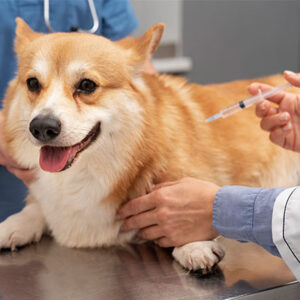
Vaccinations

Overall, vaccinations play a crucial role in protecting the health and well-being of dogs and cats by preventing the spread of infectious diseases and minimizing the risk of illness.

Why are vaccines important for dogs, cats, and other pets?
Vaccinations protect pets from serious and highly contagious diseases such as rabies, parvovirus, distemper, bordetella, and feline leukemia. Regular vaccinations not only safeguard your pet’s long-term health but also help prevent community-wide outbreaks.
Most animal vaccine clinics provide core vaccines (rabies, distemper/parvo for dogs, FVRCP for cats) as well as non-core vaccines such as bordetella, leptospirosis, lyme, and feline leukemia. The recommended vaccines depend on your pet’s age, lifestyle, and local disease risks.
Yes. Many community clinics, nonprofit organizations, and mobile animal vaccine services offer affordable vaccination programs. Searching “low-cost animal vaccines near me” can help you locate budget-friendly options that still follow veterinary safety standards.
A veterinarian or trained veterinary professional will review your pet’s history, recommend age-appropriate vaccines, administer the shots safely, and provide records for future reference. Many clinics also offer add-on services such as microchipping, wellness exams, and parasite prevention.
Puppies and kittens require a series of booster shots every few weeks until they reach the appropriate age, while adult pets generally need boosters every 1–3 years depending on the vaccine type. Your veterinarian will tailor the schedule to your pet’s health and lifestyle.
Yes—when operated by licensed veterinarians or trained veterinary teams. Legitimate low-cost vaccination clinics use approved vaccines and follow strict medical protocols. They focus on preventive care at an affordable price, making essential protection accessible to more pet owners.
Many clinics also provide wellness exams, microchipping, parasite prevention, heartworm testing, flea/tick prevention, and basic health consultations. These additional services support your pet’s overall well-being and help catch potential health issues early.