Unless your furry companion is showing signs of discomfort, it’s easy to assume that all is well. After all, our pets are masters of disguise — cats hiding pain behind a sideways glance or dogs masking discomfort with wagging tails. But here’s a truth most pet owners overlook: yearly lab work is one of the most powerful tools you have to detect illness before symptoms appear.
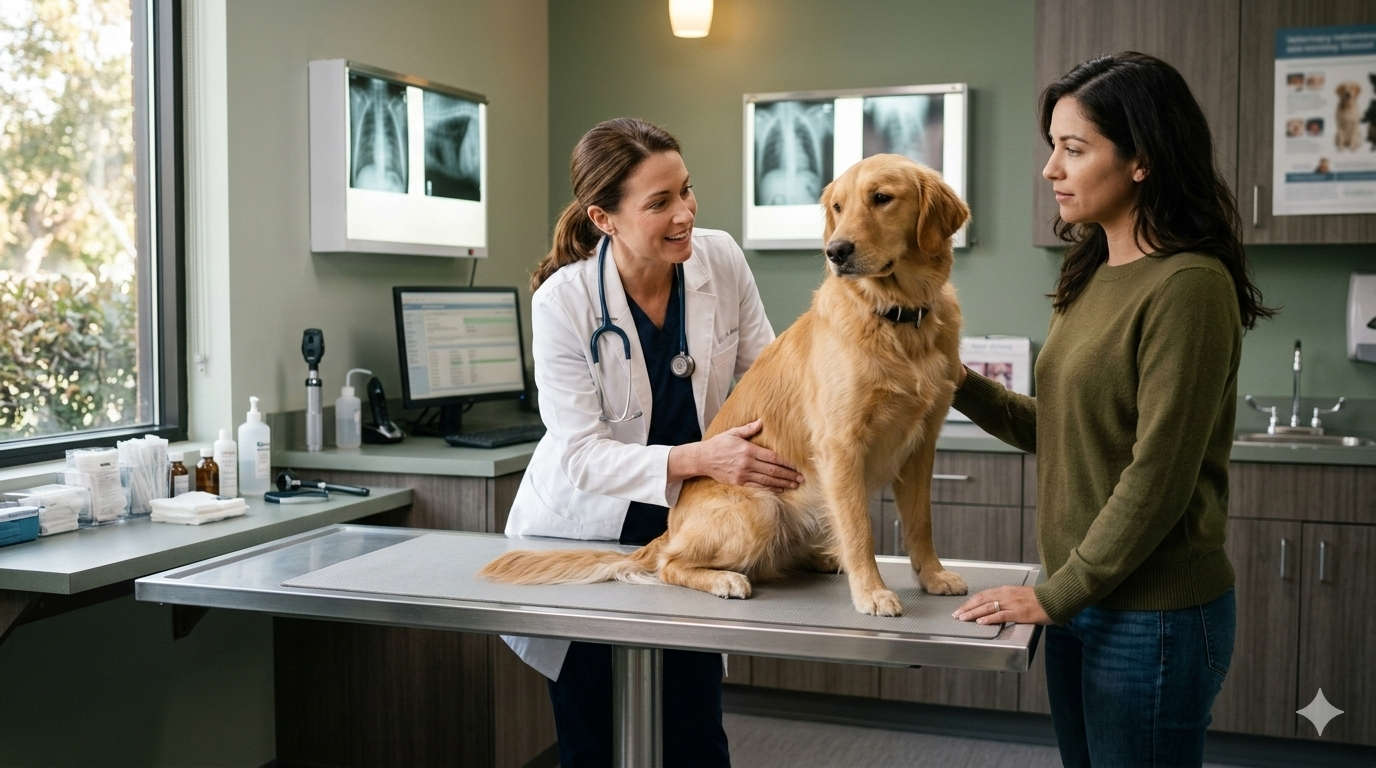
At Pacific Veterinary Hospital, we firmly believe that routine diagnostic testing is the cornerstone of preventive care. During a yearly exam, your pet’s vitals are checked, their weight is recorded, and an overall physical evaluation is performed — but bloodwork and lab tests provide a far deeper insight. This article explores why these annual diagnostics are vital, what they include, how to interpret results, and how they fit into your pet’s long-term health plan.
The Science Behind Routine Lab Work
Medical science views blood as a reflect of internal health — changes in blood composition, hormone levels, or organ markers can signal illness long before clinical signs emerge. That’s why veterinarians prioritize annual screenings: early detection equals better outcomes.
Key tests generally performed during these annual checkups include:
- Complete Blood Count (CBC): Reveals infection, inflammation, anemia, or blood disorders.
- Biochemical Profile: Assesses liver, kidney, and pancreas function, as well as glucose and electrolyte levels.
- Urinalysis: Complements bloodwork by showing kidney health, urinary tract infections, and crystalluria.
- Thyroid Panel (Cats & Senior Dogs): Detects hormones that may point to metabolic disease.
- Heartworm and Tick-Borne Disease Screening: Especially crucial in humid regions where vectors thrive.
These diagnostics not only monitor existing conditions but also establish a baseline for future health comparisons. As pets age, even slight deviations from their baseline can guide treatment decisions for kidney disease, liver abnormalities, thyroid issues, and more.
Top Reasons Yearly Lab Work Matters
1. Early Disease Detection = Better Prognosis
Many veterinary conditions, whether common or rare, become treatable when caught early. Chronic kidney disease, for instance, may not exhibit obvious signs until up to 75% of renal function is lost. A routine blood test could detect early-stage disease — a time when diet modification and controlled veterinary care can extend your pet’s life significantly.
2. Pre-Anesthetic Screening for Safer Procedures
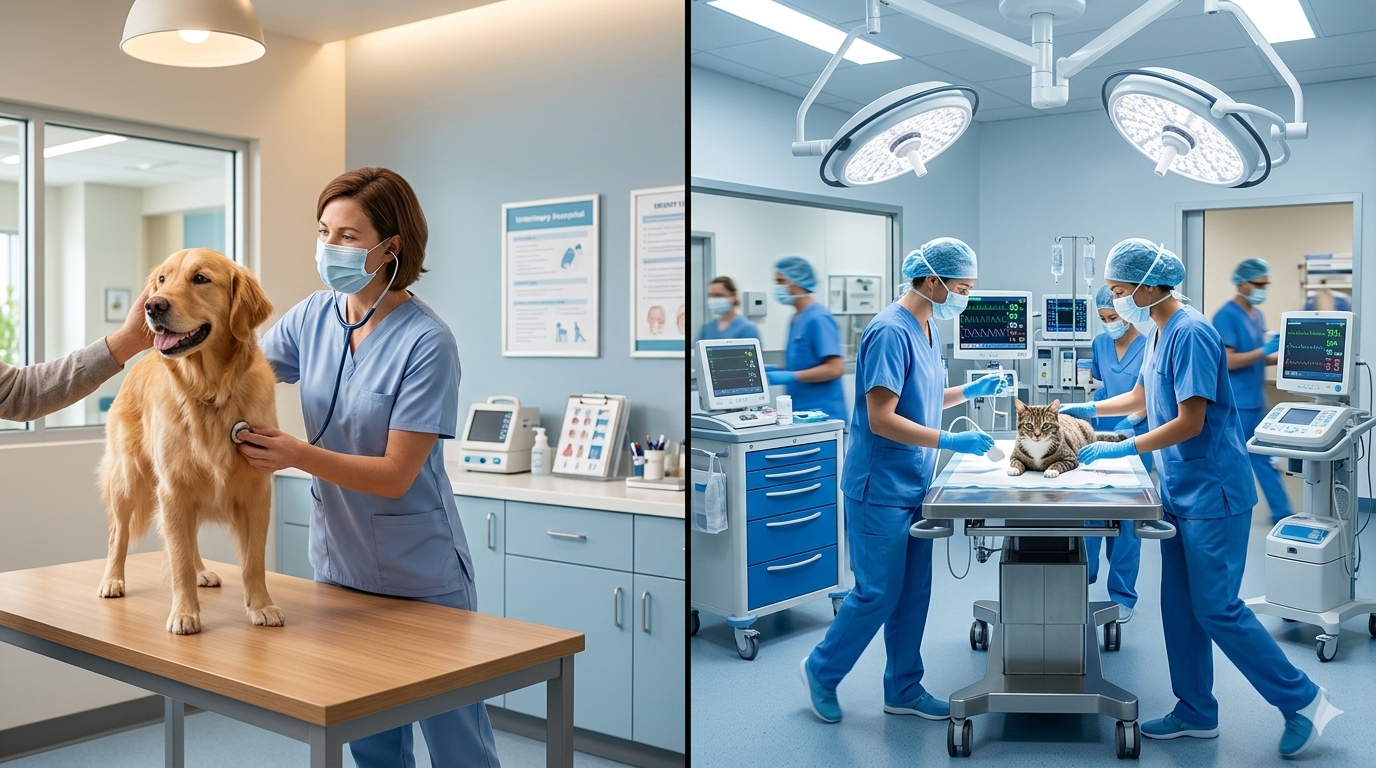
If a surgical procedure or dental cleaning is on the horizon, a pre-anesthetic panel is essential. It ensures that kidneys, liver, heart, and blood components are functioning properly and reduces risks associated with anesthesia.
3. Baseline for Senior Pet Health Monitoring
For older pets, lab work is especially critical. Age-related conditions like arthritis, diabetes, or thyroid disease may reveal themselves slowly and subtly. Your veterinarian uses lab results to adapt care plans, dietary needs, and lifestyle recommendations accordingly.
4. Continuous Monitoring of a Healthy Pet
Not every pet with abnormal blood results shows clinical symptoms immediately. Annual testing maintains a history of health — allowing veterinarians to track trends over time and detect deviations earlier than physical changes become obvious.
A Yearly Lab Work Guide for Pets
Here’s a breakdown of what the process often looks like at Pacific Veterinary Hospital and how each step contributes to your pet’s health:
Step 1: Blood Collection
A small blood sample is drawn, generally from the leg or jugular vein. Most pets tolerate this quickly and experience little discomfort.
Step 2: Automated Analysis
The sample is run through state-of-the-art machines. Results are typically available in hours and include hundreds of data points.
Step 3: Veterinary Review & Interpretation
Veterinarians interpret these results in the context of your pet’s age, breed, lifestyle, and medical history. They assess organ function, blood integrity, hormone levels, and infection markers.
Step 4: Custom Care Plan
Any abnormalities? Don’t panic. Most can be managed with lifestyle changes, dietary adjustments, or medications. Your vet will guide you on next steps — whether it’s another round of testing, an ultrasound exam, or a specialized consultation.
Real-Life Case Study: Lucy’s Story
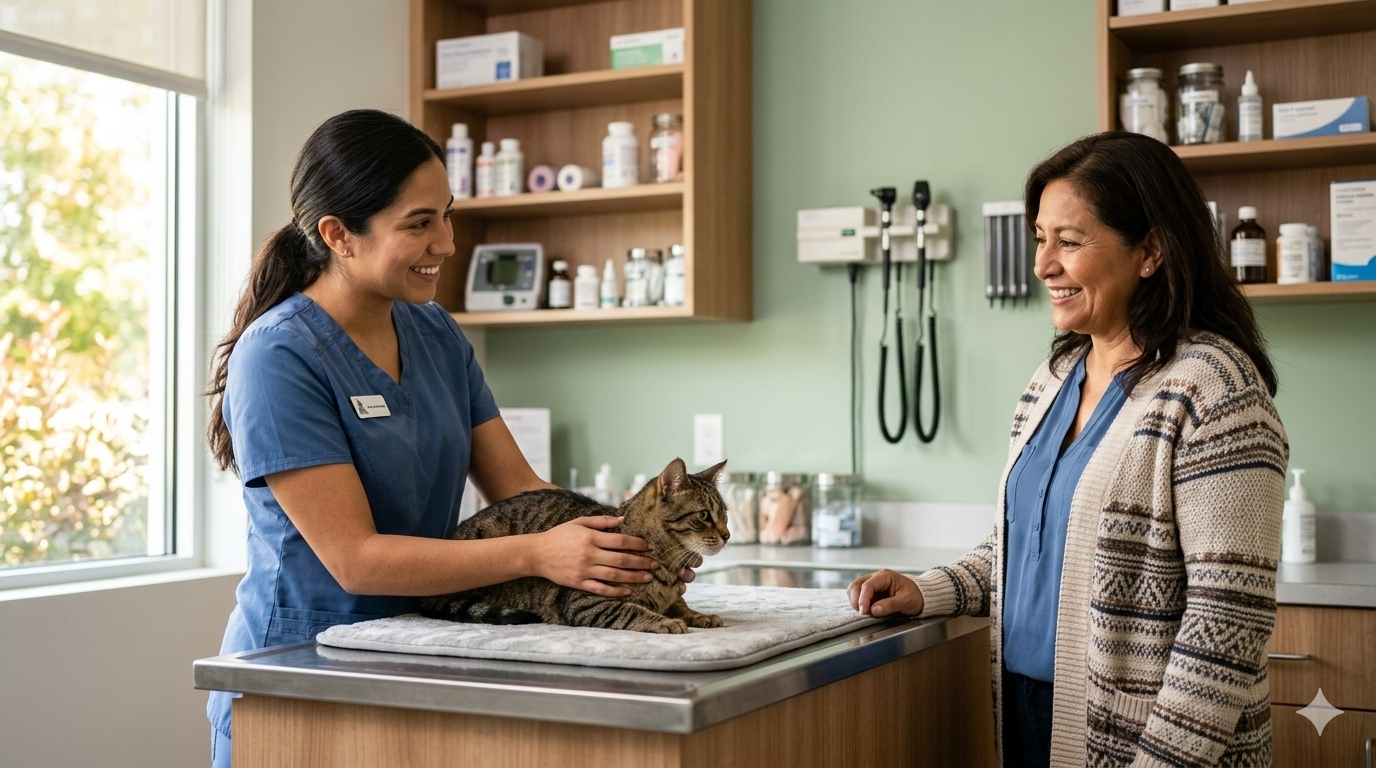
Lucy, a 7-year-old domestic shorthair, appeared perfectly healthy during her annual wellness exam. But her lab tests told a different story. Slightly elevated kidney values prompted dietary changes and increased water intake. With regular monitoring, Lucy’s kidney disease was managed effectively — without ever developing noticeable symptoms.
Stories like Lucy’s are common here and reinforce the importance of yearly screenings in safeguarding health before disease becomes irreversible.
Annual Lab Work vs. Chem Panels: Understanding the Difference
Many pet owners hear “labs” and “bloodwork” and think they are the same. In reality:
- Chemistry panel: Focused on organ function and metabolism — typically every year.
- CBC: Looks at blood cell counts — usually every year or more frequently if there’s a concern.
- Specialized Panels: Can include thyroid matter, infectious disease, or cardiac biomarkers — recommended based on age, breed, or breed predisposition.
Together, they form a complete picture of your pet’s internal health.
FAQs About Pet Lab Work
-
When should my pet start yearly lab work?
Most veterinarians recommend starting at one year, continuing annually after that. For senior pets (7+ years), consider biannual checks.
-
Is yearly lab work painful or stressful?
Not at all. It’s a quick process with minimal discomfort. Advanced labs even use techniques that reduce stress and speed recovery.
-
What does abnormal bloodwork mean?
Results don’t automatically equal severe disease. They indicate that further investigation is needed and help guide future care decisions.
Services at Pacific Veterinary Hospital
At Pacific Veterinary Hospital, located at 6828 Pacific Avenue, Stockton, CA 95207, we offer comprehensive routine and advanced diagnostics, preventative care, and medical treatment for dogs, cats, and small animals. Our services include wellness exams, lab work, vaccinations, dentistry, spaying and neutering, dermatology, and emergency care — available 8:30 AM – 7:00 PM, seven days a week
Our veterinarians tailor lab work recommendations to your pet’s lifestyle, age, and breed, and provide detailed explanations of results during wellness visits. With our in-house laboratory and diagnostic equipment, most tests are completed on-site and reviewed immediately.
Conclusion
In the journey of pet parenthood, annual lab work may not feel glamorous — but it’s one of the most powerful investments in your pet’s future. By detecting hidden disease early, preempting complications, and adapting care to evolving health needs, it supports longer, happier, healthier lives for our pets.
At Pacific Veterinary Hospital, we’re committed to partnering with you on this journey — combining routine wellness exams with thorough diagnostic testing to provide care that’s proactive, tailored, and compassionate. Because every pet deserves a lifetime of health.
Visit Us:
Pacific Veterinary Hospital
6828 Pacific Avenue, Stockton, CA 95207
(209) 474-2444
Hours: 8:30 AM – 7:00 PM, seven days a week