

Your dog suddenly collapses in the backyard. Your cat hasn’t moved from under the bed since this morning and her breathing looks shallow. The wait until tomorrow’s regular appointment feels like an eternity, and one question is louder than all the others: is this an emergency? Knowing the difference between something that can wait until morning and something that needs an emergency vet in Stockton right now can mean the difference between a treatable scare and a tragedy. This guide walks you through the warning signs that should send you out the door without a second thought, plus the quieter symptoms most owners miss until it’s too late.
Why Every Minute Matters in a Pet Emergency
Pets aren’t smaller humans. Their metabolisms are faster, their pain signals are different, and many species hide weakness as a survival instinct. By the time a pet looks obviously sick, the underlying problem has often been brewing for hours or days. For some conditions, a 30-minute delay can take a treatable situation and turn it into a fatal one. Cardiac arrest, gastric torsion, heatstroke, and certain types of poisoning all follow that kind of timeline. Having a trusted veterinarian near me before an emergency strikes is one of the smartest things any pet owner can do, because in a crisis you should not be Googling clinics; you should already know where you’re going.
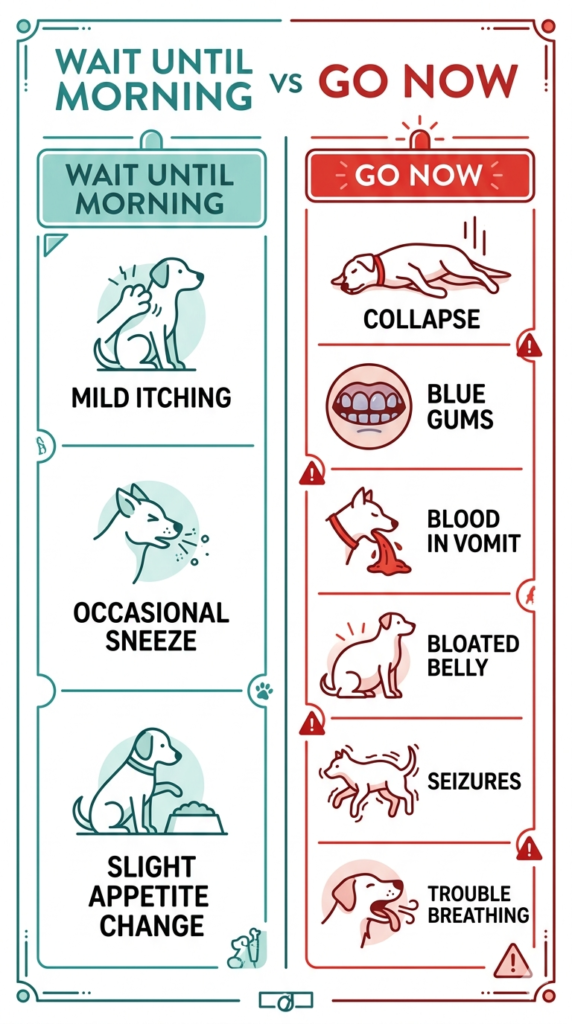
Critical Warning Signs That Demand an Emergency Vet Immediately
If you spot any of the following, do not wait. Call your emergency vet in Stockton and head over.
Difficulty breathing, choking, or blue-tinged gums. Labored breathing, open-mouth panting in a cat, or any color shift in the gums (pale, blue, brick red, or yellow) signals that oxygen or blood flow is compromised. Cats almost never pant normally; if your cat is panting, treat it as urgent.
Sudden collapse or loss of consciousness. Even if your pet wakes up and seems fine moments later, fainting can point to heart disease, internal bleeding, or a neurological event. A “one-time” collapse is still an emergency.
Severe bleeding or major trauma. Any wound that won’t stop bleeding after five minutes of firm pressure, deep lacerations, or being hit by a car (even when the pet seems okay afterward) all warrant an emergency visit. Internal injuries can hide for hours.
Suspected poisoning. Chocolate, xylitol, grapes, raisins, lilies, antifreeze, rodenticide, marijuana, ibuprofen, and many houseplants are dangerous. If you suspect ingestion, call immediately and bring the packaging if you can. The ASPCA Animal Poison Control Center is also a vital resource while you head in.
Repeated vomiting or diarrhea, especially with blood. One isolated episode usually isn’t a crisis. Repeated episodes, especially with blood, dehydration, or lethargy, can signal poisoning, obstruction, or infectious disease like parvovirus. Puppies in particular can crash fast and may need urgent parvo treatment.
Bloated, hard abdomen. A swollen, drum-tight belly in a dog (especially a deep-chested breed) can mean gastric dilatation and volvulus (GDV), also called bloat. Without surgery within a couple of hours, GDV is usually fatal.
Inability to urinate. Male cats are at particular risk for urethral obstructions. A cat straining in the litter box producing nothing is not constipated; he is in a life-threatening situation and needs care within hours.
Seizures or sudden disorientation. A first-time seizure, cluster seizures, or any episode lasting longer than two minutes is an emergency. So is sudden circling, head tilt, or inability to recognize family.
Subtle Symptoms in Cats That Look Mild but Aren’t
Cats are master pretenders. In the wild, showing weakness invites predators, and that instinct doesn’t disappear at home. A cat who skips one meal might just be picky. A cat who hides for 24 hours, stops grooming, or breathes with her sides heaving needs a vet. Reduced jumping, hiding in unusual spots, sudden weight loss, and changes in litter box habits are often the only clues you’ll get. Reading more about the early symptoms of illness in cats can sharpen your instincts before a crisis happens.
Dog Emergencies by Breed and Age
Certain breeds and life stages carry higher risk for specific emergencies. Knowing your dog’s profile helps you act faster.
| Risk Group | Watch Especially For | Why It Matters |
|---|---|---|
| Deep-chested breeds (Great Danes, German Shepherds, Standard Poodles, Weimaraners) | Bloated belly, unproductive retching, restlessness | High GDV risk; surgical emergency within 1-2 hours |
| Brachycephalic breeds (Bulldogs, Pugs, Boxers, Boston Terriers) | Heavy panting in warm weather, blue gums, collapse | Restricted airways make heatstroke and breathing crises fast and dangerous |
| Toy breeds (Chihuahuas, Yorkies, Maltese) | Weakness, tremors, seizures, especially in puppies | Low blood sugar can drop suddenly, particularly when fasted or stressed |
| Senior dogs (10+ years) | Sudden hind-leg weakness, fainting, lump that grew overnight | Cardiac issues, splenic tumors, and stroke-like events climb sharply with age |
| Unvaccinated puppies (under 6 months) | Bloody diarrhea, vomiting, refusing water, lethargy | Parvovirus is highly treatable when caught early, often fatal when delayed |
Toxic Substances: The Silent Pet Emergencies
Many of the most common pet emergencies come from things sitting on a counter or growing in a garden. Sugar-free gum containing xylitol can drop a dog’s blood sugar within 30 minutes. Lilies, even pollen rubbed off a flower, can cause kidney failure in cats. Slug bait, rat poison, marijuana edibles, and human pain relievers like ibuprofen and acetaminophen are all common culprits. If you witness ingestion, call right away even if your pet still seems normal. According to the American Veterinary Medical Association, getting your pet to a clinic before symptoms appear gives the best chance for a clean recovery.
A Stockton Case: Why Quick Action Made the Difference
A few months back, a Stockton family brought in their five-year-old Boxer, Rocky, around dinnertime. He had been pacing for about an hour, drooling more than usual, and his belly looked rounder than normal. By the time they decided to come in (less than 90 minutes from the first sign), Rocky’s abdomen was tight as a drum and his gums were already pale. Our team confirmed gastric dilatation-volvulus on imaging within minutes and moved straight to surgery. Rocky went home three days later, tail wagging.
The takeaway? Rocky’s family did exactly what they should have. They didn’t wait for him to “sleep it off.” They didn’t drive across town. They went immediately. If they had waited until the next morning, the outcome would almost certainly have been different. Pet emergencies reward action and punish hesitation, every single time.
How to Decide in 60 Seconds: A Quick Triage Check
When you’re standing in the kitchen at 9 p.m. trying to decide if this is “really” an emergency, run through this fast checklist.
| Symptom | Go Now | Call First, Then Decide |
|---|---|---|
| Breathing | Open-mouth panting in cat, blue/pale gums, gasping | Mild cough that improves with rest |
| Behavior | Collapsed, unresponsive, confused, seizing | One-time mild whimper, settled within minutes |
| Vomiting/Diarrhea | Blood present, more than 3 episodes in 2 hours, can’t keep water down | Single episode, pet otherwise bright and alert |
| Injury | Hit by car, bleeding that won’t stop, suspected broken bone | Small cut that stopped bleeding quickly |
| Pee/Poop | Straining without producing urine, especially male cats | Skipping one bowel movement, otherwise normal |
| Belly | Hard, swollen, painful to touch | Mild gas after a treat-heavy day |
When in doubt, err on the side of going in. The cost of a check that turns out to be nothing is far smaller than the cost of waiting on something that wasn’t.
What to Do Before You Arrive at the Hospital
Call ahead so the team can prep. Stay calm; pets pick up on panic. Keep your pet warm with a blanket if they feel cold, or cool with a damp towel if they’re overheated (never use ice). Don’t try to make them vomit unless a veterinarian or poison control specifically tells you to; some substances cause more damage coming back up. Keep them on a flat surface during transport if there’s any chance of spinal injury. For a deeper breakdown of what to do in the first ten minutes of a crisis, our emergency pet care guide walks you through every step.
Why On-Site Diagnostics Save Lives in an Emergency
Time spent waiting for outside lab results is time your pet may not have. Hospitals equipped with in-house X-ray and in-house bloodwork can identify foreign body obstructions, fractures, internal bleeding, organ damage, infection, and dehydration in minutes rather than hours. For emergencies that need pet surgery in Stockton, having imaging, lab work, anesthesia, and the surgical suite under one roof means treatment can start within minutes of diagnosis, not the next day. The American Animal Hospital Association consistently lists on-site diagnostics as one of the strongest indicators of a well-equipped emergency-capable hospital.
Frequently Asked Questions
-
What counts as an emergency vet visit versus an urgent care visit?
An emergency is anything immediately life-threatening: trouble breathing, severe bleeding, collapse, repeated bloody vomiting, suspected poisoning, bloat, or seizures. Urgent care covers concerns that need same-day attention but aren’t immediately life-threatening, like a limp that started this morning, a hot spot, or mild vomiting in an otherwise alert pet. If you’re unsure where your situation lands, call the hospital and describe what you’re seeing.
-
How quickly should I act if my dog ate chocolate?
Act immediately. Don’t wait to see if symptoms develop. The toxicity depends on the type of chocolate (dark and baking are far worse than milk), your dog’s weight, and how much was eaten. Take the wrapper with you, note the time of ingestion, and call ahead. Treatment is most effective in the first two hours, and waiting for vomiting or tremors to appear means you’ve already lost critical time.
-
My cat is hiding and won’t eat. Is that an emergency?
For cats, prolonged hiding combined with refusing food for more than 24 hours is a serious concern. Cats can develop hepatic lipidosis (fatty liver disease) within just a couple of days of not eating, and the condition can be fatal if untreated. Add labored breathing, straining in the litter box, or vocalizing in pain, and it shifts firmly into emergency territory. Call right away.
-
Can I just wait until morning if my pet seems uncomfortable but stable?
It depends entirely on the symptoms. A pet with mild grogginess after a long day, no other warning signs, normal gum color, and normal breathing can usually be reassessed in the morning. A pet with any of the red flags listed above (blue gums, hard belly, repeated vomiting, collapse, inability to urinate, seizures) cannot wait. When you’re unsure, picking up the phone is always the right move.
-
What information should I gather before calling the emergency vet?
Have your pet’s age, weight, breed, and any current medications ready. Note when symptoms began and what changed. If poisoning is suspected, bring the packaging or a photo. If trauma occurred, note the cause. A quick video of the symptom (a seizure, an unusual gait, labored breathing) can be tremendously helpful for the medical team to assess severity before you even arrive.
-
Does Pacific Veterinary Hospital see walk-in emergencies?
Yes. Walk-in urgent and emergency cases are welcomed during open days. For the fastest care, call ahead at (209) 474-2444 so the team can prepare for your arrival. If your situation falls outside open times, call the hospital line and follow the recorded guidance for after-hours overflow options.
-
How can I prepare for a pet emergency before one happens?
Keep your veterinarian’s phone number saved in your phone. Know the route to the hospital without relying on GPS. Keep a basic pet first aid kit at home (clean gauze, vet wrap, a muzzle, a sturdy carrier or blanket). Save the Pet Poison Helpline number too. Most importantly, build a relationship with your regular veterinarian so they already know your pet’s baseline when something goes wrong.
Pacific Veterinary Hospital is located at 6828 Pacific Avenue, Stockton, CA 95207. For urgent pet concerns, call (209) 474-2444.
