
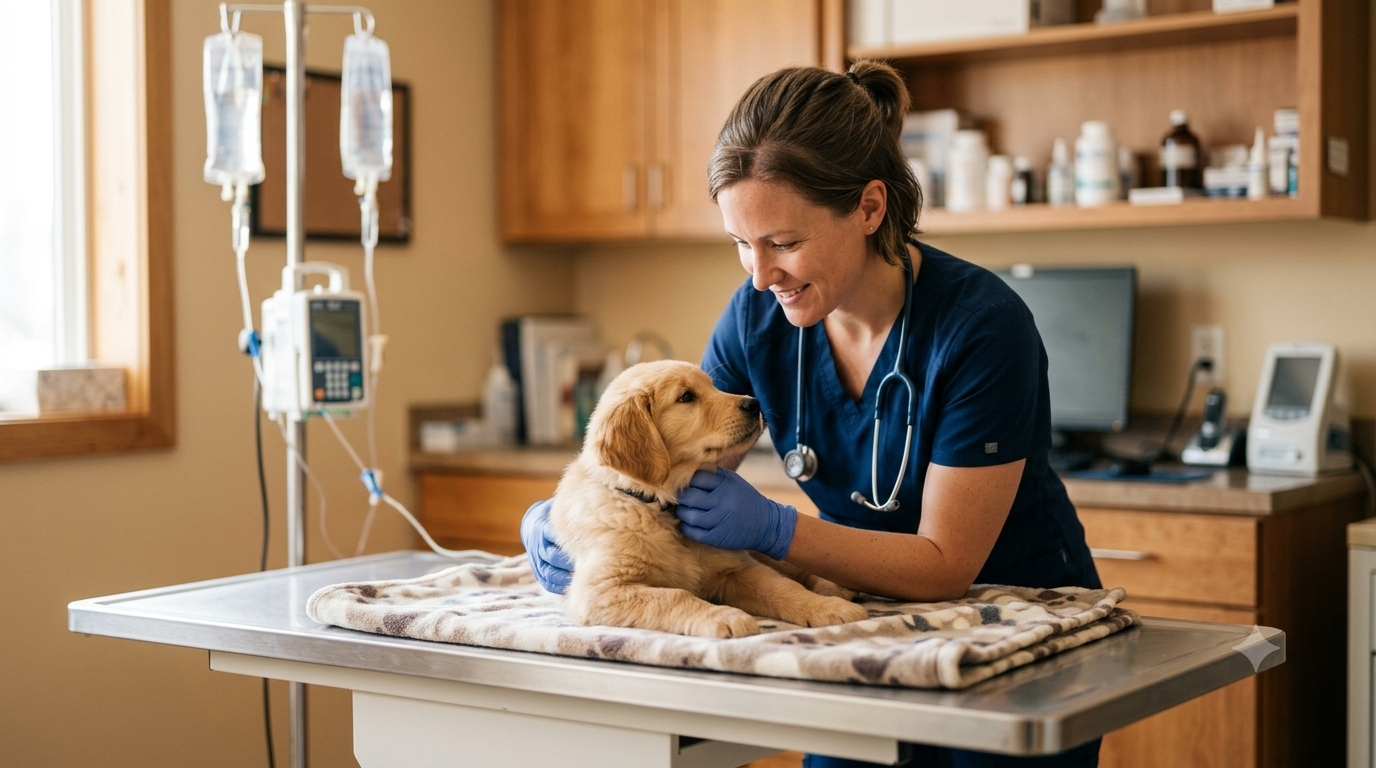
Few words strike more fear into a dog owner’s heart than “parvo.” Canine parvovirus is one of the most serious viral illnesses a dog can contract, and it disproportionately affects puppies and young dogs who haven’t completed their vaccination series. If your dog is showing sudden vomiting, bloody diarrhea, or severe lethargy, understanding what’s happening in their body and how quickly you need to act can make the difference between recovery and tragedy. At Pacific Veterinary Hospital, our Stockton veterinary team treats parvo cases regularly, and this guide walks through everything you need to know about symptoms, stages, diagnosis, and treatment.
What Is Parvo in Dogs?
Canine parvovirus, commonly shortened to “parvo,” is a highly contagious virus that attacks the gastrointestinal tract, bone marrow, and in young puppies, sometimes the heart muscle. It was first identified in the late 1970s and spread globally within a few years because dogs had no existing immunity to it. Today, it remains one of the most common serious infectious diseases veterinarians diagnose in unvaccinated or under-vaccinated dogs.
The Virus Behind Parvovirus
The virus targets rapidly dividing cells, which is why the intestinal lining takes the brunt of the damage. As the lining breaks down, dogs lose their ability to absorb nutrients and fluids, and the intestinal barrier that normally keeps bacteria contained becomes compromised. This is what makes parvo so dangerous: dehydration, blood loss, and secondary bacterial infection can all happen simultaneously.
Why Puppies Are Most at Risk
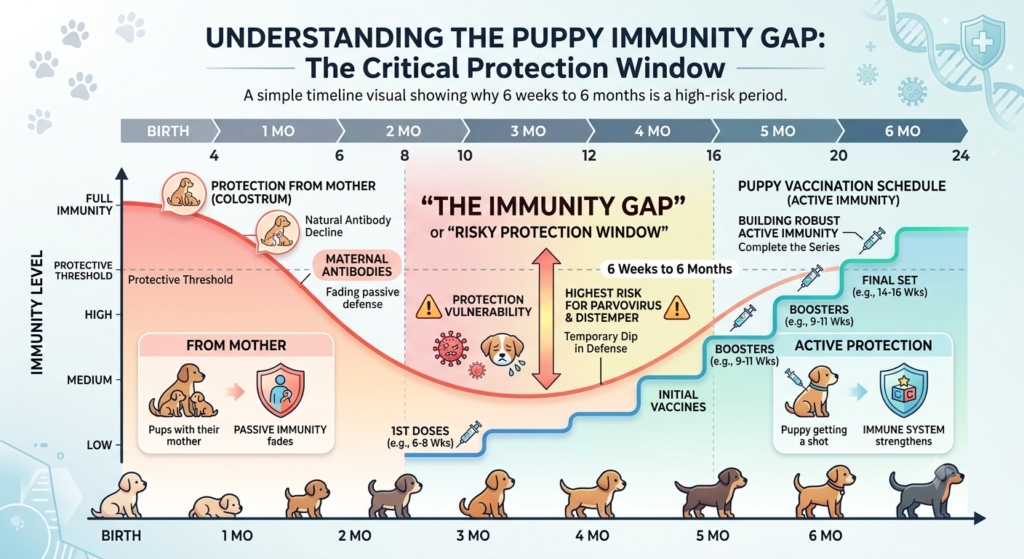
Puppies between six weeks and six months old are the most vulnerable group. Maternal antibodies passed down from the mother protect newborn puppies for a short time, but that protection fades unevenly, leaving gaps where a puppy is neither protected by maternal antibodies nor fully protected by vaccination. According to the American Veterinary Medical Association, puppies that haven’t completed their full vaccine series are at the highest risk of severe illness and death from parvovirus.
How Do Dogs Get Parvo?
Parvovirus spreads primarily through contact with infected feces, but it doesn’t require direct contact with a sick dog to cause infection.
Common Transmission Routes
A dog can contract parvo by sniffing contaminated grass, walking through an infected yard, or touching a bowl, leash, or shoe that carried the virus. Dog parks, boarding facilities, and any space with high dog traffic and past parvo cases carry elevated risk. Because the virus doesn’t need a live host to remain infectious, an environment can pose a threat long after an infected dog has left it.
How Long the Virus Survives in the Environment
This is one of the most important facts for pet owners to understand: parvovirus is remarkably hardy. It can survive in soil and on surfaces for months, and it resists many common household cleaners. This environmental persistence is why veterinarians recommend keeping unvaccinated puppies away from public dog areas, dog parks, and pet stores until their vaccination series is complete.
Parvo Symptoms in Dogs: Recognizing the Stages
Recognizing parvo symptoms in dogs early gives your veterinary team the best chance to intervene before the illness becomes critical.
Early Warning Signs
The first signs of parvo in dogs are often mistaken for a mild stomach upset: lethargy, reduced appetite, and a low-grade fever. Within a day or so, vomiting typically begins, followed by diarrhea that frequently turns bloody or takes on a distinctive foul odor. Dogs often become progressively weaker and may isolate themselves or refuse to move.
The Progression Timeline
How fast does parvo progress? Symptoms can escalate from mild to severe within 24 to 48 hours, which is significantly faster than most other causes of gastrointestinal upset. This rapid decline is exactly why any combination of vomiting, bloody diarrhea, and lethargy in a young or unvaccinated dog should be treated as an emergency rather than something to “wait out” overnight.
Late-Stage Complications
Left untreated, severe dehydration, electrolyte imbalances, and dangerously low white blood cell counts can lead to septic shock. In some puppies, the virus can also affect the heart, particularly if infection occurs very early in life. This is why early veterinary intervention matters so much, and why home remedies are never an appropriate substitute for professional care.
Parvo vs. Other Common Digestive Illnesses in Dogs
| Feature | Parvo | Kennel Cough | Dietary Upset | Intestinal Parasites |
|---|---|---|---|---|
| Onset speed | Rapid (24–48 hrs) | Gradual | Rapid | Gradual |
| Bloody diarrhea | Common | Rare | Uncommon | Sometimes |
| Vomiting | Frequent | Rare | Common | Occasional |
| Fever | Common | Mild | Uncommon | Uncommon |
| Contagious to other dogs | Highly | Highly | No | Sometimes |
| Requires hospitalization | Usually | Rarely | Rarely | Rarely |
How Veterinarians Diagnose Parvo
The SNAP Test
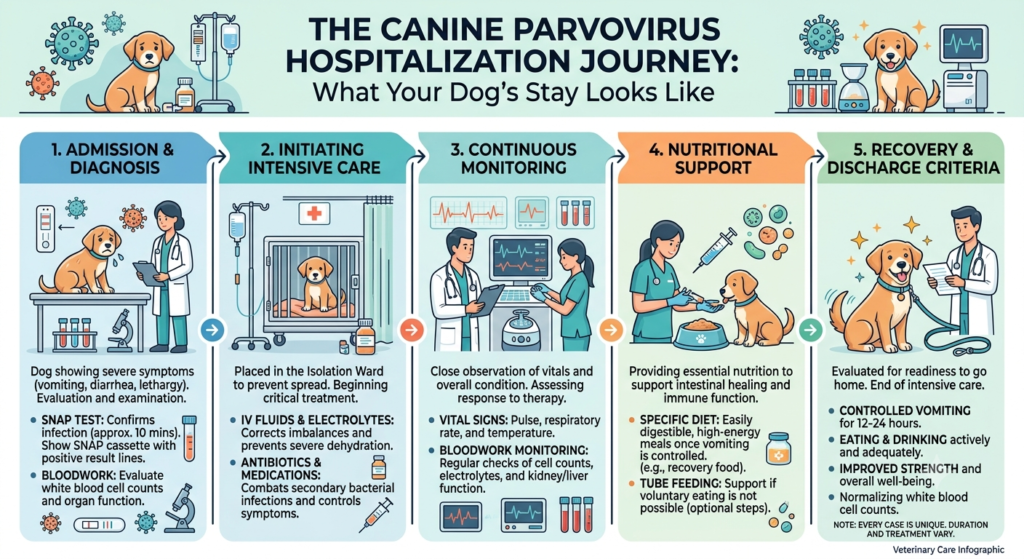
Most veterinary clinics, including ours, use a rapid in-clinic fecal antigen test known as a SNAP test to detect parvovirus. Results are typically available within about ten minutes, which allows treatment to begin quickly in confirmed cases.
Supporting Diagnostics
Because parvo affects multiple body systems, veterinarians usually pair the SNAP test with bloodwork to check white blood cell counts, electrolyte levels, and hydration status. This fuller picture helps the veterinary team tailor a treatment plan to the individual dog’s condition rather than applying a one-size-fits-all protocol. The Cornell Riney Canine Health Center notes that prompt diagnosis and aggressive supportive care are the strongest predictors of survival.
Is Parvo Treatable? What Veterinary Treatment Involves
Is parvo treatable? Yes, with early and aggressive veterinary care, many dogs recover, though there is no direct antiviral cure. Treatment instead focuses on supporting the dog’s body while its own immune system fights off the virus.
Hospitalization and Supportive Care
Dogs diagnosed with parvo typically require hospitalization for intravenous fluids to correct dehydration and electrolyte imbalances, anti-nausea medication to control vomiting, and antibiotics to prevent secondary bacterial infections that can take hold once the intestinal barrier is compromised. Nutritional support, sometimes through feeding tubes in severe cases, helps dogs maintain strength during recovery. Our team provides dedicated parvo treatment with continuous monitoring of vital signs, hydration, and bloodwork throughout the hospitalization period.
Survival Rates With Early Treatment
Survival rates improve substantially when treatment begins early. Dogs that receive prompt, intensive supportive care have a meaningfully better prognosis than those whose treatment is delayed, which is why veterinarians consistently emphasize acting at the very first signs of illness rather than waiting to see if symptoms resolve on their own.
Case Study: A Stockton Puppy’s Recovery from Parvovirus
A ten-week-old mixed-breed puppy was brought to our hospital after a single day of vomiting and increasingly watery, blood-tinged stool. The family had recently adopted the puppy and hadn’t yet completed the full vaccination series. Our veterinary team ran a SNAP test immediately, confirmed parvovirus, and admitted the puppy for hospitalization the same day. Bloodwork showed moderate dehydration and a low white blood cell count, both consistent with an active parvo infection caught in its earlier stages. Over the following four days, the puppy received continuous IV fluids, anti-nausea medication, and antibiotic coverage, with the veterinary team tracking hydration and lab values around the clock. By day five, the puppy was eating on its own, off IV support, and cleared for discharge with a follow-up plan to complete the remaining core vaccines. Cases like this illustrate why early recognition of symptoms and same-day veterinary attention matter so much for parvo outcomes.
Preventing Parvo: Vaccination and Everyday Precautions
Prevention remains far more effective than treatment when it comes to canine parvovirus. Core dog vaccinations, which include the DHPP combination vaccine, are the single most reliable way to protect a puppy from parvo. The American Animal Hospital Association recommends a series of puppy vaccinations beginning around six to eight weeks of age, with boosters continuing every three to four weeks until roughly sixteen weeks, followed by adult booster intervals.
Beyond vaccination, avoid exposing unvaccinated puppies to dog parks, pet stores, and other high-traffic dog areas until their series is complete. If you’re introducing a new puppy into a household with an existing dog, a wellness exam is a good opportunity to review your household’s vaccination records and confirm everyone is current. For a broader look at how preventive visits protect your dog throughout every life stage, our guide on annual wellness exams covers what these checkups involve beyond vaccination alone.
When to Seek Emergency Care
If your dog is showing any combination of vomiting, bloody or foul-smelling diarrhea, lethargy, and appetite loss, particularly if they are a puppy or have an incomplete vaccination history, don’t wait to see if symptoms pass. Parvo can progress from mild to life-threatening within a day, and outcomes depend heavily on how quickly treatment begins. Our emergency vet near me services in Stockton are available for exactly these situations, and our related guide on when to go to the emergency vet breaks down other warning signs worth knowing. Throughout hospitalization, medications and supportive prescriptions are managed through our in-house pharmacy, so treatment continues without delays from outside sourcing.
Frequently Asked Questions
-
Is parvo treatable in dogs?
Yes. While there is no direct antiviral cure, dogs diagnosed with parvo can recover with prompt, intensive veterinary care. Treatment centers on IV fluids, anti-nausea medication, antibiotics to prevent secondary infection, and close monitoring of hydration and bloodwork. The earlier treatment begins after symptoms appear, the better the outcome tends to be, which is why immediate veterinary attention is so important.
-
How do dogs get parvo?
Dogs contract parvo through contact with the feces of an infected dog, either directly or indirectly through contaminated soil, surfaces, bowls, or paws. The virus is extremely resistant to environmental breakdown and can remain infectious in soil or on surfaces for months, meaning a dog doesn’t need direct contact with a sick animal to become infected.
-
How fast does parvo progress once symptoms start?
Parvo symptoms can escalate quickly, often moving from mild lethargy to vomiting, bloody diarrhea, and significant dehydration within 24 to 48 hours. This rapid progression is one of the clearest signs that parvo differs from a typical stomach upset, and it’s why any suspected case should be evaluated by a veterinarian the same day symptoms appear.
-
Can a vaccinated dog still get parvo?
It’s uncommon but possible, particularly if the vaccination series wasn’t completed or the dog has an underlying immune issue. Dogs that are fully vaccinated and later exposed to parvovirus typically experience much milder illness than unvaccinated dogs. Completing the full puppy vaccine series and staying current on adult boosters remains the most effective protection available.
-
Is canine parvovirus contagious to humans or cats?
No. Canine parvovirus is species-specific and does not infect humans or cats. It is, however, highly contagious between dogs, so any infected dog should be kept isolated from other dogs in the household, and bedding, bowls, and surfaces should be thoroughly disinfected during and after recovery.
Pacific Veterinary Hospital is located at 6828 Pacific Avenue, Stockton, CA 95207. Call (209) 474-2444 if your dog is showing signs of parvovirus or any other urgent symptoms.
